Over 80% of beginners struggle with blurry or poorly exposed photos—all because they haven’t truly understood what is aperture?
Unlocking this one camera setting can do more for your images than the most expensive lens, instantly elevating every shot you take. This in-depth guide will break down everything about aperture, revealing its secrets and empowering you to wield your camera with total confidence.
A Surprising Look at Aperture: Why It Matters More Than You Think
Aperture isn’t just another technical photography term—it’s the key to controlling both the brightness and creative look of every photo you take. What is aperture? In its simplest form, the aperture is the adjustable hole inside your camera lens that allows light to reach your camera sensor. Whether you’re capturing a dramatic portrait photo with a blurred background or a stunning landscape photo where everything is in sharp focus, mastering aperture makes all the difference.
But here’s why aperture matters much more than most people realize: it doesn’t just handle brightness—it directs the viewer’s eye, defines your artistic style, and even impacts sharpness. Adjusting your aperture—whether choosing a large aperture (for more light and a shallow depth of field) or a small aperture (for precise detail across the frame)—unlocks a world of creative options. Understanding how to use aperture with shutter speed and ISO is the foundation of making images look intentional, vibrant, and professional. Think of it as the heartbeat of exposure: miss the beat, and your entire shot could fall flat.
If you’re eager to see how aperture settings translate into real-world results, exploring practical examples and step-by-step guides can be invaluable. For a hands-on approach to applying aperture techniques in your own photography, check out the in-depth resources at LENSDUDE – Focus on the Extraordinary, where you’ll find actionable tips and visual breakdowns to reinforce your learning.
“Did you know that mastering aperture can instantly level up your photographic vision more than any expensive lens?”
What You’ll Learn About What Is Aperture
-
Clear definition of what is aperture
-
How aperture affects depth of field and image quality
-
Difference between large aperture and small aperture
-
The impact of maximum aperture and minimum aperture
-
When to use aperture priority mode
-
How to choose the right aperture setting for any scene
What Is Aperture? The Heart of Exposure
What is aperture in photography?
Aperture in photography refers to the opening in a camera lens—like the pupil of your eye—that expands or contracts to let different amounts of light reach your camera sensor. The size of the aperture is one of the three factors in the famed exposure triangle (alongside shutter speed and ISO) that determines whether your image is perfectly exposed—or too dark or bright. Think of the aperture as the gatekeeper for all the light entering your camera: a large aperture (wide open) lets in more light; a small aperture (narrow opening) lets in less. But aperture controls more than brightness: it defines your depth of field (how much of the scene is in sharp focus) and influences the overall sharpness, as well as the artistic ‘feel’ of your photos.
Importantly, every lens has its physical constraints—its maximum aperture (widest possible opening) and minimum aperture (smallest). The interplay between these settings gives you control over both exposure and creativity, whether you’re shooting portraits with creamy backgrounds or crisp, sweeping landscapes.
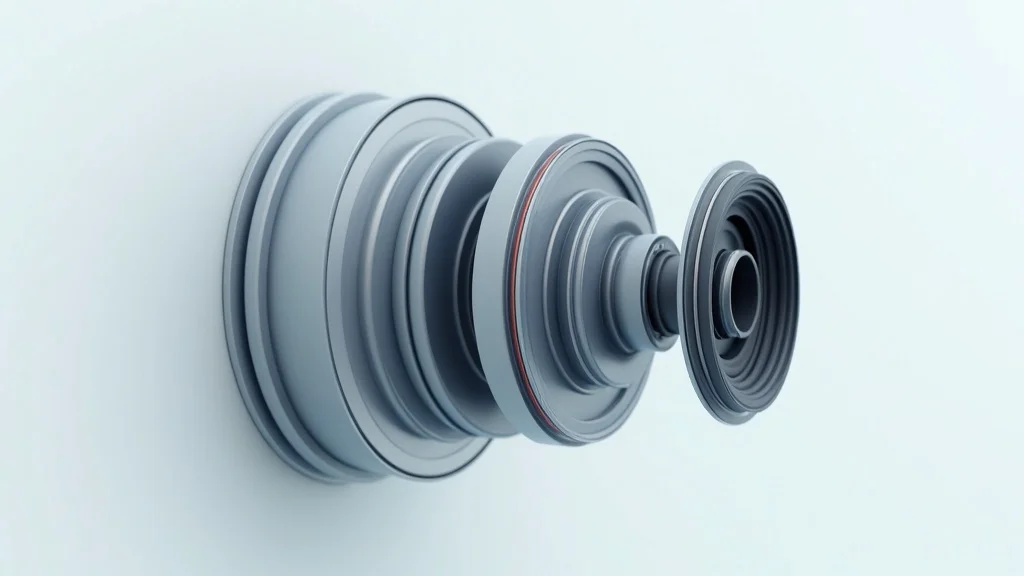
How aperture is measured: f-numbers and stops
Aperture is measured in f-numbers or f-stops (e.g., f/1.8, f/5.6, f/16). Here’s the trick: the lower the number, the larger the aperture opening. A wide aperture like f/1.4 lets in a lot of light, making it perfect for dark scenes and creating pronounced blurry backgrounds. Conversely, a small aperture like f/16 lets in less light and keeps more of the scene in focus—ideal for bright conditions or landscape photography. Each “stop” up or down literally doubles or halves the amount of light that hits your sensor, impacting not just exposure but the overall look of your image.
Understanding f-stops is crucial: a maximum aperture of f/1.8 means your lens can open up very wide, while a minimum aperture of f/22 makes it extremely narrow. By experimenting with different aperture settings, you learn to balance brightness, sharpness, and creative flair with every shot.
How Aperture Affects Depth of Field
The science behind depth of field and what is aperture
Depth of field is simply how much of your photo appears sharp and in focus from front to back. Here’s where the magic of aperture comes in: open your aperture wide (low f-number), and only a thin slice of your image—your subject—stays sharp (this is called a shallow depth of field). Close it down (high f-number), and more of the scene—foreground to background—snaps into focus, known as a deep depth of field.
So, what is aperture’s role here? A large aperture creates that sought-after blurred background or bokeh, especially valued in portrait photography where you want your subject to ‘pop.’ Meanwhile, smaller apertures are favored for landscape shots, architectural images, and group photos where crisp detail throughout the image is essential. All of this is intimately connected to your aperture setting and the focal length of your lens: telephoto or longer lenses exaggerate the effect of a wide aperture, while wide-angle lenses naturally show more in focus.
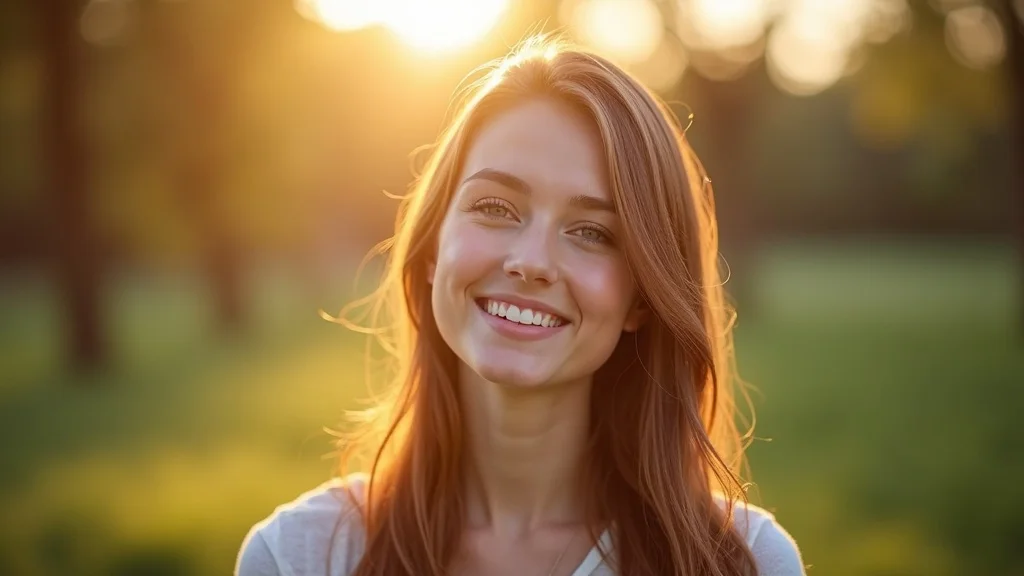
Practical examples: Portraits vs landscapes
Let’s make it real. In portrait photography, use a wide aperture (like f/1.8 or f/2.8), and your subject’s eyes emerge in crisp focus while the background melts away. This technique brings instant drama to faces and is why so many pro portraits look vibrant and professional. If you switch to landscape photography, a small aperture (like f/11 or f/16) is your best friend. Suddenly, everything from the wildflowers at your feet to the distant mountains snap into sharp detail—a deep depth of field that immerses viewers in the scene.
Aperture selection isn’t rigid—think of it as a creative tool. By adjusting it, you can tell the story you want, whether isolating a subject or expanding the viewer’s gaze across a sweeping vista. Try shooting the same scene with different aperture settings—you’ll be amazed at how dramatically the mood and focus change.
Large Aperture vs Small Aperture: Which Is Best?
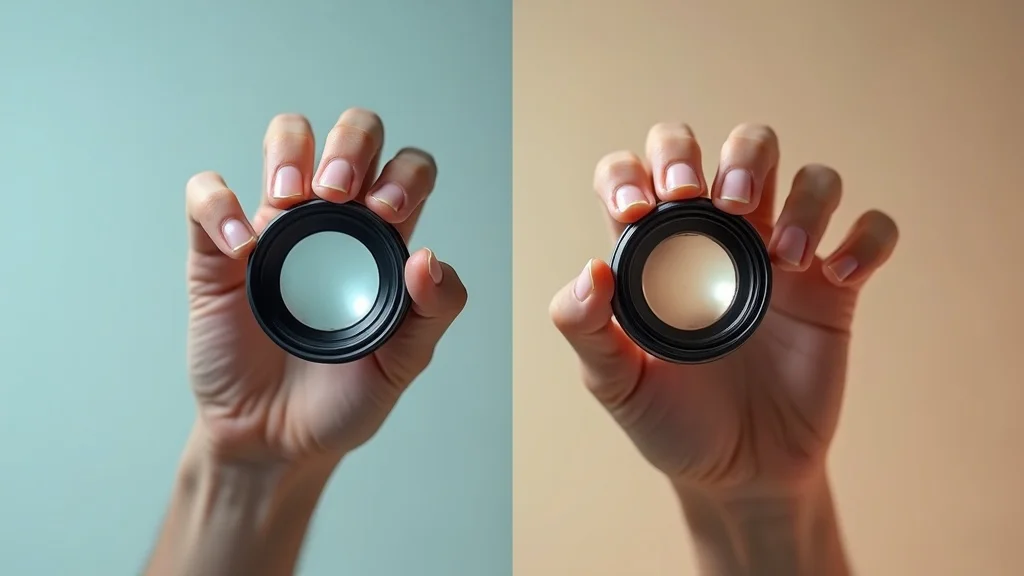
What does large aperture mean for your photos?
A large aperture (think: “wide open,” like f/1.4, f/1.8, or f/2.8) means your lens blades open up to let in the maximum amount of light. This has several major effects:
-
More light enters (low f-number, e.g. f/1.8)
-
Shallower depth of field, subject pops
Low-light environments—like dim indoor scenes or night street photography—are where large apertures truly excel. They let more light reach the sensor so you can keep shutter speeds reasonable and avoid motion blur. But the star attribute is that shallow depth of field: the subject is tack-sharp, while everything before and behind falls into a soft, dreamy blur. Wide apertures are essential for portrait photography, close-ups, or artistic shots where isolating your subject is the goal.
Small aperture: Why would you use it?
On the flip side, a small aperture (high f-number, e.g. f/11, f/16, or even f/22) shrinks the opening, reducing the amount of light hitting your sensor. But it rewards you with greater depth of field—almost everything from front to back in focus, which is ideal for:
-
Less light enters (high f-number, e.g. f/16)
-
Greater depth of field, ideal for landscapes
Small apertures are best for landscape or architecture photography, group portraits, or any scene requiring detail throughout. You may need a slower shutter speed or higher ISO to maintain a correct exposure when using small apertures, especially in limited light. The tradeoff: if you go too small (like f/22 on most lenses), you risk introducing diffraction—a loss of sharpness at extreme settings.
Shutter Speed & Aperture: The Exposure Balancing Act
The exposure triangle explained
Light, movement, and sensitivity—your photos hinge on balancing these three. Aperture, shutter speed, and ISO form the “exposure triangle.” Here’s how it works: open your aperture (more light), and you may need a faster shutter speed or lower ISO for a correct exposure; close your aperture (less light), and you may slow down the shutter or increase ISO. Each setting affects not just brightness, but depth of field (aperture), motion blur or freeze (shutter speed), and sensitivity or noise (ISO).
Perfect exposure is about compromise: want both shallow depth of field and crisp motion? You may need to let in maximum light (wide aperture), use a fast shutter, and push ISO. Every creative choice starts with understanding how these elements work together—so you can break the rules with intention, not by accident.
Choosing the right aperture setting for the moment
Choosing the right aperture setting comes down to your subject and creative intent. Ask yourself: do you want to separate your subject with a shallow depth of field, or show intricate detail from near to far? Is your scene low-light, requiring a large aperture for enough brightness, or are you dealing with ample sunlight, giving you flexibility to use a small aperture? Always consider the shutter speed and ISO in tandem, since opening up the aperture might let you use faster shutter speeds—great for freezing action.
The key: experiment with your aperture setting and review your results. Take a photo at f/1.8 and again at f/16—the differences in focus, background blur, and light will jump out at you. Over time, picking the right setting will become second nature.
Maximum Aperture & Minimum Aperture: Limits of Your Lens
Understanding the significance of maximum aperture
Every lens is designed with a maximum and minimum aperture. The maximum aperture (e.g., f/1.4 or f/2.8) is the widest the lens can open. A “fast” lens—capable of a very wide maximum aperture—lets in much more light, making it a favorite for low light or for achieving that delicious background blur (shallow depth of field). This is why prime lenses (with fixed focal lengths) and high-end zoom lenses that maintain a constant maximum aperture throughout their zoom range are prized in photography.
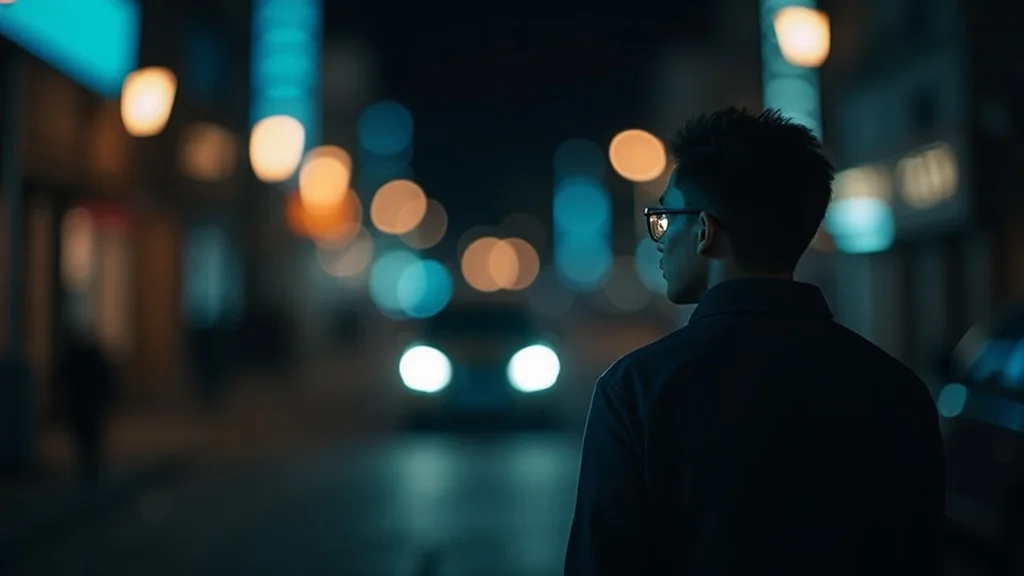
A wide maximum aperture expands your creative toolkit and increases your options in tough lighting. The tradeoff is often size and cost, but for many photographers, the benefits far outweigh these factors. If you love shooting night scenes, street photography after dark, or portraits with dreamy backgrounds, prioritizing a wide maximum aperture is key.
Limiting factors: minimum aperture & diffraction
A lens’s minimum aperture (e.g., f/16 or f/22) is the smallest it can constrict. While this grants massive depth of field—useful for detailed landscape photos—going too small (small apertures) can lead to diffraction: a softening of image sharpness caused by light bending as it passes through a tiny opening. Most lenses are sharpest a few stops down from their maximum, usually around f/5.6 or f/8, rather than at their extreme minimum apertures.
Knowing your lens’s “sweet spot”—the mid-range apertures offering the best balance of sharpness, depth of field, and light gathering—helps you consistently produce high-quality images. Always check your results and, when possible, stay within these optimal settings, except when creative intent calls for something different.
Aperture Priority Mode: Take Control Without Full Manual
How to shoot with aperture priority (A/Av mode)
-
When to use aperture priority
-
The benefits for beginners and pros
Aperture priority mode (marked A or Av on most cameras) gives you direct control of the aperture setting while the camera automatically selects the correct shutter speed for balanced exposure. This is the perfect blend of creative freedom and convenience. If you want to nail the perfect background blur in a portrait, or maximize clarity throughout a landscape, switch to aperture priority and dial in your desired f-number.
Aperture priority is fantastic for beginners learning how aperture affects the exposure and depth of field—you’ll see instant real-world feedback as you adjust the dial. Pros love it too: in ever-changing light, it’s the fastest route to keeping exposure under control without sacrificing creative choices. Just remember to monitor ISO and shutter speed; if light is low and shutter speeds drop, you may need a tripod or higher ISO.
People Also Ask: What Is Aperture in Photography?
What is aperture in photography?
Aperture, in photography, is the adjustable opening inside your camera lens that controls the amount of light reaching the camera sensor. It’s measured in f-stops (like f/1.8 or f/16) and affects both exposure and depth of field. A large aperture (low f-number) leads to bright images with a shallow depth of field, while a small aperture (high f-number) creates darker images with more of the scene in focus. Understanding aperture—and how it works with shutter speed and ISO—is key to capturing clear, sharp, and creative photos.
Is 1.8 or 2.2 aperture better?
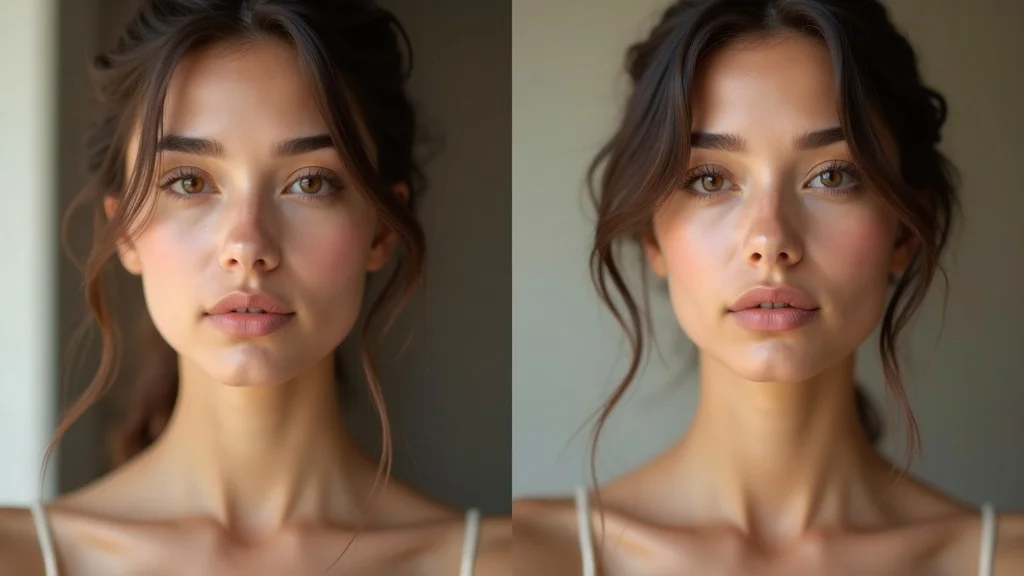
Whether f/1.8 or f/2.2 is “better” depends on your creative goal and lighting. An f/1.8 aperture is wider than f/2.2 and lets in more light, making it ideal for low-light situations or if you want a stronger blurred background (shallow depth of field). However, f/2.2 is still wide and can offer slightly more sharpness and easier focusing if you want just a bit more detail in both your subject and the surrounding scene. In practice, both apertures produce beautiful results in portraits—try both and see which delivers the look you prefer.
Is it better to have a higher or lower aperture?
It depends on your subject and intent. A lower aperture (like f/1.4 or f/2.8) lets in more light and gives you a shallow depth of field, perfect for portraits or creative shots that need a creamy background blur. A higher aperture (like f/11 or f/16) lets in less light but ensures more of your image is sharp, making it ideal for landscapes and group shots. There is no universally “better” option—let your creative vision decide!
What does f 1.8 aperture mean?
An f/1.8 aperture means the diameter of your lens’s opening is nearly as wide as possible, allowing lots of light to reach the sensor. It’s excellent for shooting in low-light conditions and producing shallow depth of field in which your subject is in sharp focus against a beautifully blurred background (bokeh). Lenses with f/1.8 apertures are especially popular among portrait and street photographers, offering flexibility across various focal lengths and scenes.
Common Aperture Myths Debunked
-
“Wide open” is always best for blurry backgrounds
-
All lenses perform equally well at all apertures
-
High f-numbers always guarantee sharpness
Let’s clear up some confusion. Shooting “wide open” (largest aperture) isn’t always best—many lenses are not at their sharpest at their maximum setting and can produce unwanted softness or vignetting. Also, not all lenses are created equal at every aperture size; some are sharper in the middle of their range. Finally, while higher f-numbers (small apertures) expand depth of field, going too extreme introduces diffraction, softening your image. Knowing your lens and experimenting with different aperture settings is the recipe for consistently sharp, beautiful shots.

Table: Aperture Settings Cheat Sheet
|
F/Stop |
Light In |
Depth of Field |
Use Case |
|---|---|---|---|
|
f/1.4 |
Maximum |
Extremely shallow |
Portraits, low-light |
|
f/5.6 |
Moderate |
Moderate |
Everyday photography |
|
f/16 |
Minimum |
Deep |
Landscapes, group photos |
Pro Tips: Choosing the Right Aperture Setting
-
Define your subject and intention: Do you want your subject to stand out, or keep everything sharp?
-
Assess the available light: Brighter scenes allow smaller apertures; low light favors wider ones.
-
Balance aperture with shutter speed and ISO: Keep an eye on the whole exposure triangle for best results.
-
Experiment and review results: Try different aperture settings, compare, and adjust as you learn what works.
Quote: Professional Insights on What Is Aperture
“Aperture is the creative heartbeat of photography. Understand it, and every image you take will be intentional.” – Renowned Photo Educator
Key Takeaways: What Is Aperture
-
Aperture controls light and depth of field.
-
Large apertures deliver dreamy blur; small apertures maximize sharpness.
-
Every lens has its strengths—know your gear.
-
There’s no one-size-fits-all: let your vision guide your setting.
FAQs: Mastering What Is Aperture
Can I use autofocus with any aperture setting?
Yes, almost all modern cameras allow you to use autofocus at any aperture setting. However, autofocus performance—especially speed and accuracy—can be faster with a large aperture, as it lets in more light for the camera’s focusing system. Some older cameras or lenses may struggle when using very small apertures (e.g., f/22), but for most users, autofocus works across the board.
Does what is aperture affect image sharpness across the frame?
Absolutely. The aperture setting impacts sharpness, with most lenses delivering their best performance in the mid-range (typically f/5.6 to f/8). At wide open, some lenses may be softer at the edges, while very small apertures (like f/22) can introduce diffraction and reduce overall clarity. Always test your lens to discover its “sweet spot.”
What is aperture’s impact on bokeh?
A wide aperture (low f-number) enhances the shape and quality of bokeh—the smooth, out-of-focus areas of your image. The larger the aperture and the closer the subject, the more pronounced and creamy the bokeh. Lens design and aperture blade shape also influence how bokeh appears, but aperture size is the primary factor.
Summary and Next Steps for Mastering What Is Aperture
Mastering aperture unlocks creative control over exposure, focus, and the story your images tell. Start experimenting—your best photos are just an f-stop away.
Ready to take your understanding of aperture and exposure even further? The world of photography is full of advanced techniques and creative inspiration waiting to be discovered. For a broader perspective on elevating your entire photographic approach—from composition to post-processing—explore the expert insights and in-depth guides at LENSDUDE – Focus on the Extraordinary. Whether you’re refining your skills or seeking new ways to make your images stand out, you’ll find a wealth of knowledge to help you capture the extraordinary in every frame.
Sources
Understanding aperture is fundamental to mastering photography, as it influences both the exposure and depth of field in your images. For a comprehensive explanation, consider reading “Aperture | Light, Resolution, Depth of Field” on Britannica, which delves into how aperture affects light transmission and image sharpness. Additionally, Canon’s article “What Is Aperture Photography?” provides practical insights into how adjusting aperture settings can enhance your photographic outcomes. Exploring these resources will deepen your understanding of aperture and its pivotal role in photography.