Ever wondered which Sony lens can truly jumpstart your photography journey?
With so many options and technical jargon, finding the best Sony lenses for beginners can feel overwhelming. Yet, the right lens not only expands your creative vision but lays the foundation for your future growth as a photographer. This guide takes you straight to the beginner-friendly Sony lenses that stand out in 2026—demystifying the specs, matching lenses to styles (like portrait photography and street photography), and ensuring your next lens purchase perfectly fits your Sony mirrorless or FE camera. Ready to discover which lens could change how you capture the world? Let’s dive in.
Curious About the Best Sony Lenses for Beginners? Here’s What You Need to Know
Choosing your first lens is pivotal—it will shape your photography experience for years. The market for Sony lenses is vast, offering everything from versatile kit lenses to professional-level primes and zooms. As a beginner, understanding how focal length, aperture, stabilization, and other factors align with your style is essential. If you crave versatility, a zoom lens might suit you. Prefer stunning sharpness and background blur? Look into a prime lens. This guide compares the top beginner lenses for Sony FE and mirrorless cameras, showcasing perfect starting points for portrait photography, landscapes, and more. Armed with these insights, you’ll quickly identify which best Sony lens will help you grow, experiment, and express yourself behind the camera.
By focusing on practical advice (not just specs), we’ll answer your biggest questions: Should you stick with the kit lens or upgrade? What’s the best way to find a lens that truly fits your creative ambitions and your Sony camera? Whether capturing family moments, city streets, or breathtaking vistas, the ideal lens is just a step away. Let’s break down the essentials and kickstart your lens journey!
What You’ll Learn from This Guide to the Best Sony Lenses for Beginners
- An overview of the best Sony lenses for beginners, including zoom and prime lens options
- How each sony lens suits different photography styles like portrait photography and street photography
- Advice on choosing between a kit lens and upgrading for your sony camera or mirrorless camera
- Insight into essential specifications—focal length, aperture, stabilization—in sony lenses for beginners
- Why the best sony lenses for beginners can help elevate your skills with a sony fe or sony mirrorless camera
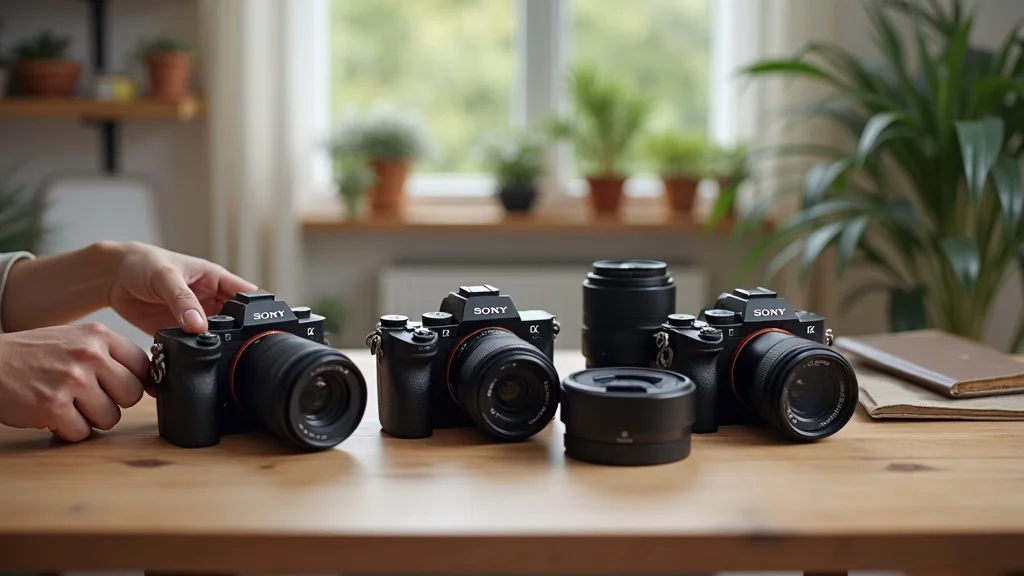
Comparison Table: Best Sony Lenses for Beginners (Key Features, Benefits, Ideal Photography Type, Approx. Price)
| Lens Model | Key Features | Benefits | Ideal Photography Type | Approx. Price (USD) |
|---|---|---|---|---|
| Sony 16-50mm f/3.5-5.6 OSS | Compact, OSS Stabilization, Versatile Zoom Range | All-around starter, great image quality, lightweight for travel | General, Street, Everyday | $200 (with kit) |
| Sony 50mm f/1.8 | Bright f/1.8 Aperture, Compact Prime, Affordable | Beautiful background blur (bokeh), ideal for portraits | Portrait, Low Light, Street | $250 |
| Sony 18-135mm f/3.5-5.6 OSS | Wide Zoom Range, OSS Stabilization, Lightweight | Highly versatile, covers landscapes to close-up | Travel, Landscape, Events | $600 |
| Sony 35mm f/1.8 | Fast, Light, Natural Perspective | Exceptional for street photography and everyday shooting | Street, Portrait, General | $450 |
| Sony 10-18mm f/4 OSS | Ultra Wide Angle, OSS Stabilization, Lightweight | Sweeping landscapes, tight interiors | Landscape, Real Estate, Architecture | $850 |
| Sony 55-210mm f/4.5-6.3 OSS | Telephoto Zoom, OSS, Affordable | Great for wildlife, sports, and distant subjects | Action, Nature, Events | $350 |
| Sony 85mm f/1.8 | Focal Length for Portraits, f/1.8 Aperture | Creamy bokeh, flattering compression | Portrait Photography | $600 |
| Sony 20mm f/2.8 | Compact, Wide Angle, Fast Focus | Creative street, architecture, landscapes | Full-Frame, Street, Wide Angle | $350 |
| Sony FE 28-70mm f/3.5-5.6 OSS | Full-Frame, Standard Zoom, OSS | Bundled with full-frame mirrorless, versatile range | Events, Everyday | $400 (with kit) |
| Sigma 30mm f/1.4 DC DN | Bright Aperture, Third-Party, Sharp | Low light, creative control, affordable | Low Light, Portrait, Street | $280 |
“The right lens is a beginner photographer’s gateway to creative expression and technical growth with their Sony camera.”
As you weigh the pros and cons of each lens, it’s helpful to see real-world examples and deeper breakdowns of how these options perform in practice. For a more hands-on look at lens performance and practical tips for new Sony users, check out the in-depth resources available at Lensdude’s expert guides.
How to Choose the Best Sony Lenses for Beginners: Key Factors
Before investing in a new lens, it’s essential to match your selection to your Sony camera model and photography goals. The most beginner-friendly Sony lenses combine ease of use, versatile focal length, and reliable image quality at an approachable price. Some lenses excel in portrait photography with gorgeous background blur, while others are built for wide angle landscapes or street scenes. Know which mount your camera supports (E-mount or FE-mount for full-frame models), and be mindful of physical features like size, weight, and weather sealing if you shoot outdoors. By understanding these factors, beginners are empowered to make informed choices—not just based on specs, but on real creative needs. Let’s break down the key points that simplify your lens shopping journey for 2026!
A good lens can transform a mirrorless camera, enabling sharper images, better low light performance, and improved autofocus. The distinction between prime lens and zoom lens matters for creative control, as does considering whether lens stabilization (OSS) or aperture size best suits your favorite shot types. Don’t be afraid to experiment—small upgrades regularly yield rapid improvement, especially as you start to move beyond the initial kit lens. The options detailed in this article meet a variety of starter needs, ensuring you find your ideal match for both your Sony FE or APS-C system.
Understanding Your Sony Camera and Mirrorless Camera Compatibility
Every Sony camera isn’t built the same, and lens compatibility starts with understanding your camera’s mount type. Sony’s two primary mounts—E-mount for APS-C/smaller sensors, and FE-mount for full-frame Sony mirrorless cameras—each support a broad selection of Sony lenses. FE lenses fit both full-frame and crop-sensor cameras, while E-mount lenses are optimized for APS-C bodies. Always double-check your camera body’s model to confirm which mount you need. Using the correct mount ensures your new lens functions perfectly, from autofocus to optical stabilization, and won’t compromise on image quality or performance.
Most lenses for Sony’s mirrorless system will indicate E or FE in the product name. The growing range of Sony FE and E-mount lenses (including reputable third-party options) means you’re spoilt for choice. Just remember—FE lenses work on all Sony mirrorless bodies, but E-mount lenses may not cover the full sensor on a full-frame camera. Invest a few minutes to identify your system so you can confidently select the best lens for both your skill level and your specific Sony camera.

Prime Lens vs Zoom Lens: Deciding What’s Best for Beginners
The debate between prime lens and zoom lens options is at the heart of choosing the best Sony lenses for beginners. A prime lens has a fixed focal length—such as 35mm or 50mm—offering simplicity, often larger maximum aperture for low light and more pronounced background blur. They’re typically lighter, more affordable, and celebrated for producing extra sharp images with minimal distortion. This makes a lens like the Sony 50mm f/1.8 an excellent entry-point for learning portrait photography or developing your creative style (think creamy bokeh and stunning subject isolation).
In contrast, zoom lenses provide a versatile range of focal lengths—ideal for everything from landscapes to candid street shots. These lenses, such as the Sony 16-50mm or 18-135mm, eliminate the need to “zoom with your feet,” making them popular for everyday or travel photography. For beginners, a reliable kit lens is an accessible choice—covering most shooting scenarios without overwhelming you with technicalities. Ultimately, choosing between prime and zoom depends on your style: Do you value flexibility or image quality and light gathering? Most beginners benefit from experiencing both to find what resonates best.
Key Sony Lens Terms: Focal Length, Aperture, Stabilization for Beginners
Photography jargon can be intimidating, but three key specs set the foundation for every Sony lens decision. Focal length, measured in millimeters, defines your field of view—a shorter focal length like 16mm is ultra-wide (for capturing broad scenes), while 85mm is ideal for portraits with background blur. Aperture is the “f-stop” (e.g., f/1.8, f/3.5), revealing how much light the lens admits; wider apertures (smaller numbers) mean better low light performance and more beautiful background separation (bokeh). Stabilization (OSS: Optical SteadyShot) helps counteract camera shake, producing sharper images especially with slower shutter speeds.
When shopping for your first or next Sony lens, check how these features align with your needs. Landscapes and street photography excel with wide focal lengths and stabilization, while portrait photography shines with fast primes (low f-number and longer, 50–85mm range). Once you understand these terms, picking lenses becomes less about guesswork and more about matching creative intention with technical excellence.
Top 10 Best Sony Lenses for Beginners: Reliable Choices for 2026
- Sony 16-50mm f/3.5-5.6 OSS Kit Lens (Best All-Round Starter Lens)
- Sony 50mm f/1.8 (Best Prime Lens for Portrait Photography and Bokeh)
- Sony 18-135mm f/3.5-5.6 OSS (Versatile Zoom Lens for General Use)
- Sony 35mm f/1.8 (Best Street Photography Prime Lens)
- Sony 10-18mm f/4 OSS (Best Wide Angle for Landscapes and Interiors)
- Sony 55-210mm f/4.5-6.3 OSS (Budget Telephoto Zoom Lens for Action and Nature)
- Sony 85mm f/1.8 (Best Portrait Lens for Beginners)
- Sony 20mm f/2.8 (Wide and Compact Prime for Everyday Shooting)
- Sony FE 28-70mm f/3.5-5.6 OSS (Full-Frame Kit Lens for Mirrorless Camera)
- Sigma 30mm f/1.4 DC DN (Top Third-Party Prime Lens Option)
Sony 16-50mm f/3.5-5.6 OSS Kit Lens: The Classic Starter for Sony Cameras
The Sony 16-50mm f/3.5-5.6 OSS kit lens is the default companion for many entry-level Sony cameras. Its standout feature is versatility—it covers everything from mild wide angle landscapes (16mm) to casual portraits (50mm), all in a compact, retractable package. Optical SteadyShot (OSS) helps beginners capture sharper images, especially in low light or when learning handheld shooting. As an all-purposezoom lens, this kit lens offers a practical way to explore various genres, whether you’re snapping cityscapes, family moments, or experimenting with manual focus techniques.
While not as ‘fast’ as premium options, its variable aperture and lightweight design make it perfect for learners who want one lens to “do it all.” It’s also an affordable way to start, bundled with most Sony mirrorless cameras, granting access to creative expression without a steep price tag. For many, the 16-50mm remains a reliable backup or lightweight travel companion even after upgrading to other lenses.
Sony 50mm f/1.8: Why It’s Among the Best Sony Lenses for Beginners
If your goal is sharper images and rich background blur, the Sony 50mm f/1.8 is an unbeatable prime lens for those stepping into portrait photography or learning about depth of field. Its wide f/1.8 aperture creates creamy bokeh and excels in low light, making it a favorite for environmental portraits, street scenes, and indoor shots. Lightweight and affordable, it teaches beginners the value of composition, subject isolation, and “seeing” like a photographer.
Beyond technical prowess, this prime lens builds confidence by consistently delivering sharp, vibrant images—even in challenging conditions. For those interested in creative experimentation, it’s highly responsive for manual focus and rewards careful attention to available light. The 50mm’s natural perspective also overlaps well with what we see with our eyes, making it intuitive for capturing both people and places. If you’re asking where to upgrade after the kit, this one’s your answer!
Best Sony Lenses for Beginners by Photography Style
Choosing the best Sony lenses for beginners goes beyond specs; success depends on how well your lens matches your preferred photography style. For portraits, a portrait lens with fast aperture and flattering compression is key, while landscapes demand wide angle excellence and clarity across the frame. Street, travel, and action scenes have their own requirements, which shape your lens choices as your creative interests evolve. Below, we spotlight top recommendations tailored to the most popular genres among new Sony photographers in 2026.
These lenses help you master skills specific to each style, from creating a beautiful background blur to capturing crisp architectural lines, ensuring you’re always equipped for creative growth. Remember: as you broaden your interests into street photography or landscapes, a few well-chosen lenses will unlock even more possibilities with your sony mirrorless camera.
Best Sony Lenses for Portrait Photography
For beginner portrait photographers, nothing beats a sharp, fast portrait lens that flatters your subject and delivers beautiful background blur. The Sony 50mm f/1.8 and Sony 85mm f/1.8 are two standout primes—the former offers a natural perspective ideal for full-body and candid portraits, while the latter shines with tight headshots and creamy bokeh. Both are light, accessible, and prove that you don’t need to spend a fortune to achieve professional-looking portrait photography results on your Sony camera.
The 85mm, in particular, compresses facial features naturally and showcases a subject against a beautifully blurred background, creating a classic portrait look. Its fast aperture ensures strong low light performance and the ability to shoot wide open for maximum subject isolation. With either lens, expect razor-sharp images, rich skin tones, and a fast learning curve as you experiment with depth of field and composition.

Best Sony Lenses for Street Photography and Travel
Street and travel photography benefit from compact, responsive lenses like the Sony 35mm f/1.8 and Sony 20mm f/2.8. These primes excel at quick, candid moments thanks to their fast autofocus and unobtrusive size. A 35mm prime replicates the classic field of view revered by street photographers—enabling you to work close to your subjects for authentic, vibrant storytelling. The 20mm is a bit wider, perfect for environmental portraits and dramatic urban scenes, while the lightweight build means less fatigue as you explore the city.
Zoom lens users can also consider the 18-135mm OSS for its versatility across a variety of scenes (architecture, cityscapes, portraits) with consistently sharp images, even when shooting handheld. Opt for lenses with built-in stabilization for crisp results on the go, and practice with manual focus to refine your technique in challenging light. Whichever you choose, these street-ready Sony lenses help beginners build confidence, catch fleeting moments, and travel light.
Best Sony Lenses for Landscape and Wide Angle Shots
Landscape photographers—especially beginners—need a lens that captures expansive scenes with clarity and immersive depth. The Sony 10-18mm f/4 OSS is an ideal wide angle pick, offering edge-to-edge sharpness for sweeping vistas, urban skylines, and interior shots. Its robust stabilization combats handheld shake, allowing for slower shutter speeds at sunrise or sunset, essential for detailed landscape photography. The rectilinear design minimizes distortion, keeping horizons straight and lines crisp—a must for both scenic and architectural images.
If you’re using a full-frame Sony FE camera, the FE 28-70mm f/3.5-5.6 OSS kit lens offers wide starting coverage plus the ability to zoom in for tighter compositions. For creative flexibility (like dramatic leading lines), a dedicated wide angle lens offers unmatched results. Remember, a reliable tripod and attention to aperture choice will further elevate your landscapes—showcasing the true potential of your Sony lens investment.
Recommended Accessories for the Best Sony Lenses for Beginners
- Essential lens filters (UV, polarizer, ND)
- Must-have lens hoods for protection and contrast
- Lens cleaning kits for sony lenses
- Protective cases for kit lens and sony fe lenses
Even the best Sony lenses for beginners perform at their peak with a handful of smart accessories. Filters (UV, polarizer, ND) safeguard the lens glass and control tricky light, while lens hoods block glare and increase contrast—a staple for sunny days or city lights. Carry a lens cleaning kit to keep dust and smudges at bay, and invest in a padded case for safe transport, especially if you swap between kit lens and other options. Starting with good habits protects both your investment and your image quality.
People Also Ask: Best Sony Lenses for Beginners FAQs
Which Sony lens is best for beginners?
Answer: The Sony 16-50mm f/3.5-5.6 OSS kit lens is widely recommended as the best starting point for beginners, offering versatility and image stabilization. For those interested in portraits, the Sony 50mm f/1.8 is an excellent and affordable upgrade.
What is the best lens for a beginner photographer?
Answer: The ideal lens depends on your interests, but general-purpose zoom lenses like the Sony 18-135mm or fast prime lenses such as the 50mm f/1.8 are beginner-friendly and adapt well to most situations.
What is the Holy Trinity of Sony lenses?
Answer: The ‘Holy Trinity’ refers to three essential zoom lenses covering wide, standard, and telephoto: the Sony 16-35mm, 24-70mm, and 70-200mm. For beginners, budget-friendly alternatives or kit lenses provide a great learning platform.
Is a 50mm lens good for beginners?
Answer: Yes. The 50mm prime lens is praised for its versatility—perfect for portraits, street, and everyday photography—and its ability to teach beginners about composition and depth of field.
Expert Tips for Getting the Most Out of the Best Sony Lenses for Beginners
- Start with one versatile sony lens and learn its strengths
- Practice using both zoom and prime lens to understand framing vs. composition
- Experiment with different photography styles, especially portrait photography and wide angle landscapes
- Invest in basic lens maintenance and protection
As you grow, don’t rush to collect more glass—spend time mastering the unique qualities of each lens. Practice shooting wide open with a prime lens for creamy bokeh, or zoom through the full range on a kit lens to learn about framing. Clean your lenses regularly and use lens hoods and cases for protection. Most importantly, use your current equipment to test your creative limits and develop your own visual style, whether on a Sony FE or mirrorless camera.
FAQs: Best Sony Lenses for Beginners (Quick Reference)
What type of sony lens is best for learning manual settings?
Prime lenses (like the Sony 50mm f/1.8) are ideal for learning manual settings. With fixed focal lengths and wide apertures, they help beginners understand exposure, depth of field, and manual focus, making them perfect classroom tools for emerging photographers.
How do I know if a sony lens fits my mirrorless camera?
Check your camera’s mount (E-mount for APS-C or FE-mount for full-frame) and match it to the lens label. FE lenses fit both full-frame and APS-C bodies, but E-mount lenses are optimized for crop-sensors. Always verify compatibility on Sony’s website or the lens manual before purchasing.
Can a kit lens produce professional images?
Absolutely. Modern Sony kit lenses offer impressive image quality—good sharpness, color, and stabilization. While they may not match premium glass for low light or background blur, careful technique, composition, and post-processing can yield images that look professional to most viewers.
Key Takeaways: Making the Most of the Best Sony Lenses for Beginners
- The best sony lenses for beginners offer excellent image quality, versatility, and value
- Consider your main photography interests—portrait photography, street photography, or landscapes—when choosing a sony lens
- Understanding the difference between kit lens, zoom lens, and prime lens makes upgrading easier
- Sony fe and sony mirrorless cameras have options for every budget and skill level
Find the Best Sony Lenses for Beginners—Start Capturing Your Vision Today
Ready to explore with your Sony camera? Choose the lens that fits your style and unleash your creativity. The perfect shot is just a click away—grab your first or next Sony lens, and start telling your story!
If you’re eager to keep building your skills and want to see how the right lens can elevate your entire approach, there’s a world of advanced tips and inspiration waiting for you. Dive deeper into the art and science of lens selection, discover creative shooting techniques, and get expert advice tailored to your growth as a photographer by exploring the broader collection of insights at Lensdude. Whether you’re refining your style or seeking the next breakthrough, these resources will help you focus on the extraordinary and make every shot count.
Sources
- https://www.sony.com
- https://www.dpreview.com
- https://www.photographyblog.com
- https://www.thephoblographer.com
Embarking on your photography journey with a Sony camera is an exciting endeavor, and selecting the right lens is crucial to your development. To assist you in making an informed decision, here are some top recommendations for beginner-friendly Sony lenses:
1. Sony FE 50mm f/1.8 – Best Budget Prime Lens
This “nifty fifty” lens is an excellent starting point for beginners. Its wide f/1.8 aperture allows for beautiful background blur and performs well in low light. The 50mm focal length is versatile, suitable for portraits, street photography, and general everyday shots. Its compact size and affordable price make it an ideal lens to learn the basics of composition and exposure. (campkinscameras.com)
2. Sony FE 28-70mm f/3.5-5.6 OSS – Best Kit Zoom Lens
Often bundled with Sony cameras, this lens offers a versatile zoom range that is perfect for beginners. Covering wide-angle to short telephoto, it’s suitable for landscapes, portraits, and everyday photography. The Optical SteadyShot (OSS) helps reduce camera shake, particularly useful for new photographers still mastering steady shooting techniques. (campkinscameras.com)
3. Sony E 18-135mm f/3.5-5.6 OSS – Best All-in-One Zoom
For beginners who want maximum versatility in a single lens, this 18-135mm zoom is an excellent choice. It covers a wide range of focal lengths, from wide-angle to telephoto, making it suitable for everything from landscapes to wildlife. The built-in OSS helps maintain sharpness throughout the zoom range. (campkinscameras.com)
4. Sony FE 85mm f/1.8 – Best for Portrait Beginners
While slightly more specialized, this lens is perfect for beginners interested in portrait photography. The 85mm focal length is ideal for flattering portraits, and the wide f/1.8 aperture creates a beautiful background blur. It’s also compact and relatively affordable for a prime lens of this quality. (campkinscameras.com)
Selecting the right lens is a pivotal step in your photographic journey. By considering your preferred photography styles and the features that align with your creative goals, you can choose a lens that not only enhances your skills but also brings your artistic vision to life.