Did you know? Over 65% of new Sony cameras sold in the last five years support both APS-C and full-frame lenses—yet most users misunderstand which lens mount is truly optimal for their needs. This simple fact highlights the whirlwind evolution of Sony’s lens ecosystem, where compatibility and quality options have exploded in a short period, leaving many Sony users scratching their heads. In this comprehensive guide, you’ll finally unlock clarity on all things Sony lens mounts explained, so you can make confident, future-proof camera gear decisions.
A Surprising Fact: The Rapid Evolution of Sony Lens Mounts Explained
The world of Sony lens mounts explained has transformed at lightning speed. Ten years ago, Sony users mainly chose between A-mount DSLRs and the very first compact mirrorless cameras. Today, there are dozens of lens options—ranging from ultra-wide angle lenses to professional telephoto zooms—built for an array of sensor sizes and camera body types. This evolution wasn’t just about adding new glass to the lineup; it was about redefining what’s possible with modern mirrorless cameras, from APS-C convenience to full frame sensor powerhouses. At the heart of this change are Sony’s various lens mounts—FE, E, G, and GM—which now serve both beginners and professionals seeking interchangeable lens camera flexibility.
If you’ve ever felt lost decoding the alphabet soup of Sony lens series, you’re not alone. Grasping the real-world difference between FE, E, G, and GM is more critical than ever. Making the right choice directly impacts image quality, autofocus performance, lens-camera compatibility, and your creative potential as a photographer or content creator. In this introduction, we’ll walk you through Sony’s lens mount journey, explain why mount types matter, and set you up to confidently select the best lens for your mirrorless camera system.
What You’ll Learn in This Sony Lens Mounts Explained Guide
- Gain clarity on Sony lens mounts, including major types (FE, E, G, GM)
- Understand compatibility, full frame, and APS-C differences
- Navigate lens mount adapters and third-party options
- Make informed buying decisions for Sony cameras
Introduction to Sony Lens Mounts Explained
Modern digital photography relies heavily on the delicate interaction between a lens and its camera body, and nowhere is this more evident than in the Sony lens mounts explained ecosystem. Whether you’re interested in landscape photography with a large sensor format or vlogging with a compact, interchangeable lens camera, the lens mount is the “glue” that links your lens to the camera, ensuring optimal image quality, secure attachment, and electrical communication for features like autofocus and image stabilization. Sony’s innovation in lens mounts—most notably the introduction of the E-mount and later the FE-mount—has been a driving force behind the meteoric rise of the Alpha mirrorless camera series for both full frame and APS-C users. Today, the sheer variety of mount lenses and the evolution of professional designations (like G and GM) make it essential to understand how lens mounts affect your photography and gear investment.
As you explore the world of Sony’s lens mounts, you’ll learn that it’s not just about finding a lens that fits—it’s about maximizing your camera’s capabilities and future-proofing your system as new models, adapters, and party lens options appear on the market. If you’re hoping to get the most from your Sony camera—whether shooting portraits, landscapes, video, or sports—understanding the basics of lens mount compatibility and the distinction between APS-C and full frame sensor formats is the first step.
Why Understanding Lens Mounts is Crucial for Photographers
“Choosing the right lens mount can transform your photography experience, unlocking creative possibilities and ensuring future compatibility.”
Imagine investing in a brand-new lens only to find it won’t autofocus on your camera, or worse, doesn’t mount at all. This scenario is all too common for newcomers to the Sony Alpha ecosystem, where multiple lens mount types can cause confusion. With sony lens mounts explained, you’re empowered to effortlessly pair the right lens with any mirrorless camera for seamless experiences and consistent results. Compatibility is about more than just physical fit—it determines access to autofocus performance, rapid communication between lens and camera body, and the full potential of your camera’s sensor size and resolution. By the end of this guide, you’ll not only understand what each mount type means, but also be equipped to make the best lens camera choices for your specific shooting needs, whether you’re using crop sensor cameras or flagship full frame bodies.
For those looking to dive deeper into the practical side of lens selection, exploring real-world scenarios and hands-on tips can be invaluable. You might find it helpful to review Lensdude’s in-depth guides on choosing the right lens for your creative style, which offer actionable advice for both beginners and advanced Sony users.

The Basics of Sony Lens Mounts Explained
At its core, a lens mount is the interface—both mechanical and electronic—that attaches your lens to the camera body. In the context of lens mounts, Sony’s innovations revolve around maximizing the flexibility and performance of their mirrorless cameras through precisely engineered mounts that cater to both APS-C and full frame image sensors.
With Sony lens mounts explained, it’s important to realize that each mount design facilitates unique features: flange distance (the space between lens and sensor), electronic connectivity (for AF, stabilization, and lens information), and physical diameter, affecting the maximum aperture of supported lenses. Whether you’re a seasoned Sony user or new to the interchangeable lens camera market, understanding these details will help you maximize your lens investment.
What is a Lens Mount?
A lens mount refers to the standardized mechanical and electrical interface that allows you to securely attach a lens to your camera body. The mount ensures the lens is physically compatible and can communicate effectively with the camera for autofocus, aperture control, and electronic metadata transfer. Sony’s E-mount, introduced with the first mirrorless cameras, is the cornerstone of modern Alpha series cameras. This design enables much shorter flange distances compared to traditional DSLR lens mounts, making the system more compact and versatile. By embracing a consistent lens mount across both full frame and APS-C models, Sony users gain access to a broad lens ecosystem. It’s this interoperability—including the use of mount adapters for third-party and legacy glass—that has set Sony apart in a highly competitive camera market.
Choosing the right lens mount is critical for anyone working with mirrorless cameras, interchangeable lens camera systems, or those looking to future-proof their gear investments. The move towards more sophisticated lens mounts—or using reliable mount adapters—translates into sharper image quality, enhanced autofocus capabilities, and broader creative opportunities for photographers and videographers alike.
Sony’s Lens Mount History and Evolution
Sony’s journey with lens mounts began in earnest with the acquisition of Konica Minolta’s camera branch. Early Sony DSLRs leveraged the A-mount system, primarily supporting APS-C and, later, full frame sensors. This changed dramatically in 2010 with the introduction of the E-mount for the NEX (New E-mount eXperience) mirrorless camera line. The E-mount’s extremely short flange focal distance and wide throat made it uniquely suitable for smaller camera bodies and for adapting party lens solutions. Over time, Sony expanded the E-mount for both APS-C and full frame sensor formats, unifying their mirrorless offerings under one standard.
Today, Sony offers a unified experience where E-mount and FE-mount lenses work seamlessly across a variety of camera bodies. The company has also introduced professional designations—such as G (premium optical quality) and GM (G Master, flagship performance)—to help distinguish between different levels of lens performance. With the addition of reliable mount adapters and growing third-party support, the Sony lens camera ecosystem has become one of the most robust and future-ready in the industry.
Breaking Down Sony Mount Types: FE, E, G, GM (Lens Mounts Explained)
To truly grasp sony lens mounts explained, you need to understand the distinctions between the major types: FE, E, G, and GM. These labels aren’t just marketing—they shape sensor compatibility, image quality, creative options, and the kind of camera body you should choose. Whether you want pro-level full frame lenses with edge-to-edge sharpness, a lightweight travel package, or high-end optics for demanding video work, knowing which mount type to select is fundamental for the modern Sony user.
Every lens mount in Sony’s ecosystem serves a unique role in supporting different sensor size formats, practical shooting requirements, and price points. The key is matching your creative intent with the right lens type—FE and E for sensor compatibility, G or G Master for quality and performance, and mixing in mount adapters for added versatility with third-party offerings.
Sony FE-Mount Lenses: Full Frame Excellence
FE-mount lenses stand for Full-frame E-mount and are designed specifically for Sony’s Alpha series full frame mirrorless cameras. These lenses cover the entire full frame sensor, delivering superior resolution, reduced vignetting, and consistent edge-to-edge sharpness. FE-mount lenses are engineered for professionals and serious enthusiasts who require maximum image quality and robust optical performance throughout the focal range. What’s more, FE lenses will mount and function on both full frame and APS-C camera bodies—though on an APS-C camera, they effectively deliver a cropped field of view due to the smaller sensor size (known as the cropping factor).
The introduction of FE-mount lenses was a game-changer for Sony users seeking pro-level results from compact mirrorless camera systems. From ultra-wide angle lenses to premium telephoto zooms, the FE lens lineup now covers every major photographic genre. While these lenses often come at a higher price point compared to E-mount or G options, they offer long-term value, future compatibility, and unmatched performance—especially when paired with Sony’s flagship Alpha 1 or A7 series full frame sensor cameras.
Sony E-Mount Lenses: Versatility and Compact Design
E-mount lenses were originally introduced for APS-C sensor cameras in the NEX series, offering a more compact and lightweight solution for everyday photographers. The E-mount is now the universal mechanical interface for all of Sony’s mirrorless cameras, including both APS-C and full frame models. The main distinction lies in the sensor coverage: “E-mount” typically refers to lenses designed for APS-C (crop sensor) bodies, while “FE” indicates full frame sensor coverage for the interchangeable lens camera user.
Choosing an E-mount lens is ideal for those prioritizing lightweight gear and affordability, or for travel and mobile shooting with smaller bodies like the Sony a6000 or a6400 series. While E-mount lenses can physically attach to full frame cameras, they may result in vignetting or automatic sensor crop, limiting image quality and field of view. For mirrorless camera enthusiasts looking for flexibility on a budget, E-mount lenses are a strong highlight of Sony’s ecosystem and are supported by a flourishing third-party lens community—further enhancing the mount’s adaptability and choice.
What Makes a Lens G or GM? Differentiating Sony G and G Master
Sony’s G and G Master (GM) designations refer to the optical quality and build of the lens rather than the physical mount type. G lenses focus on delivering high-quality optics at an accessible price, targeting serious enthusiasts who demand reliable sharpness, pleasing bokeh, and robust build quality in everyday situations. They are available in both APS-C and full frame configurations—just check whether you’re picking up a G lens labeled as “FE” or “E.”
G Master (GM) lenses, on the other hand, are Sony’s flagship pro lenses. These are engineered with cutting-edge technology for ultimate resolution, blistering autofocus speed, advanced coatings, and weather-sealed constructions—designed to pair perfectly with FE-mount full frame sensors. GM lenses are tailored for professionals in fields like sports, portrait, and high-end landscape photography, offering unmatched performance, consistency, and edge-to-edge clarity, especially on high-megapixel mirrorless cameras.
Sony Lens Mount Compatibility Chart
| Lens Type | Sensor Coverage | Compatible Bodies | Autofocus Performance | Optical Quality |
|---|---|---|---|---|
| FE | Full Frame / APS-C (with crop) | All E-mount (full frame & APS-C) | High (native) | Excellent |
| E | APS-C | All E-mount (crop on full frame) | High (native) | Good to Very Good |
| G | APS-C / Full Frame | Depends (label: FE or E) | High to Very High | Premium |
| GM (G Master) | Full Frame | All E-mount, best on full frame | Highest (native w/ pro bodies) | Flagship, top-tier |
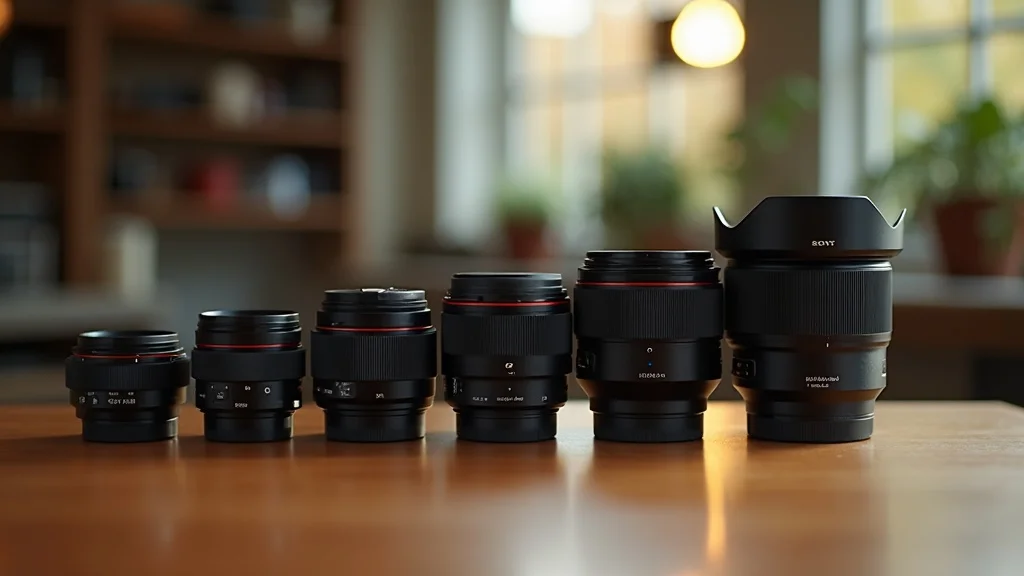
Full Frame vs APS-C: What Sony Lens Mounts Explained Means for You
The battle between full frame and APS-C sensors significantly impacts how Sony lens mounts explained translates to real-world results. Full frame sensors are physically larger, offering improved low-light performance, broader dynamic range, and superior depth of field control. APS-C or “crop” sensors, while smaller, result in a narrower field of view for any given focal length lens and are generally found in more compact, affordable camera bodies. Mounting an FE lens on an APS-C body applies the crop factor (typically 1.5x), effectively making wide angle lenses less wide and telephoto lenses reach even farther.
Understanding your sensor format is vital when choosing new mount lenses. Full frame sensors make the most of FE, G, and GM glass, delivering uncompromised image quality edge-to-edge. Conversely, pairing E-mount lenses designed for crop sensors onto full frame cameras may force the camera body into an APS-C mode, reducing resolution and image quality. If you value creative flexibility, knowing how lens mounts interact with sensor size means you’ll always pick the right lens for your camera and intended use—be it landscape, video, or portraiture.
Understanding Full Frame Sensor Advantage
Full frame sensors, combined with native FE or GM lens mounts, offer the pinnacle of image quality and performance in the Sony Alpha series. Larger sensor size means more light captured per pixel, resulting in cleaner images at higher ISOs, richer color gradation, and true wide angle field of view—without a cropping penalty. Professional photographers and content creators favor full frame systems for their flexibility in low-light conditions, more pronounced background blur (bokeh), and superior overall sharpness with flagship GM lenses. Investing in full frame sensor bodies and matching FE/GM lenses future-proofs your setup for evolving creative needs and professional standards.
However, full frame systems also entail larger, heavier, and more expensive lenses and camera bodies. For Sony users who value ultimate quality and need their gear to perform in demanding scenarios—whether shooting wide-angle cityscapes or tactile studio portraits—the full frame FE mount ecosystem is the preferred choice. If you’re mixing and matching mount lenses on full frame, always opt for FE and GM glass to unlock the true potential of your camera body’s sensor and autofocus features.
E-Mount Lenses on Full Frame and APS-C Bodies
With Sony lens mounts explained, it’s important to note that E-mount (APS-C) lenses can fit on both full frame and crop sensor bodies. However, using E-mount lenses on a full frame camera triggers the body to enter crop mode, utilizing only a portion of the sensor—resulting in lower resolution and narrower field of view. This design ensures backward compatibility for existing Sony users but may limit your flexibility and image quality.
- Implications for field of view: E-mount lenses “crop in” on full frame cameras, reducing the angle of view.
- Cropping factor: Your 16mm lens acts like a 24mm equivalent due to the 1.5x multiplier on APS-C bodies.
- Image quality impact: While handy for versatility, mixing lens and sensor formats may result in vignetting or softness at the corners, especially noticeable in landscape or wide angle photography.
For best results, always try to match the sensor size of your camera with a corresponding native lens mount—full frame sensors with FE/GM glass, and APS-C sensors with E-mount or G series lenses—maximizing your creative output with minimal compromise.

Lens Adapters and Third-Party Options in Sony Lens Mounts Explained
Sony users benefit from an impressive range of party lens options, and this flexibility is supercharged by reliable mount adapters. Whether you want to repurpose vintage DSLR glass, try Sigma Art or Tamron wide angle lenses, or experiment with Zeiss and Samyang optics, adapters open new doors. But not all adapters are created equal—autofocus support, image stabilization, and electronic aperture control may vary, so always research before attaching a new lens-to-camera combination.
The robust ecosystem of third-party mount lenses, coupled with trustworthy mount adapters, ensures that Sony users enjoy both variety and excellence. Just keep in mind that certain adapters may incur trade-offs like focus speed, reliability, or firmware update requirements, and always prioritize models proven to work seamlessly with your specific camera body and intended shooting style.
Mount Adapter Essentials: Extending Compatibility
Mount adapters are clever tools allowing you to attach non-native or legacy party lens models to your Sony camera. This extends the usefulness of your glass collection, opening opportunities to experiment with rare lenses or maximize your investment in premium optics from other brands. Notable mount adapters—such as the Metabones Smart Adapter or Sigma MC-11—support autofocus, aperture control, and electronic metadata transfer for many third-party or classic DSLR lenses.
However, not all mount adapters guarantee flawless performance. Autofocus speed may drop, and some advanced features like in-lens stabilization or video-specific AF might be unavailable. Research user experiences or check support by Sony product support pages to confirm compatibility and firmware availability. Using high-quality adapters, regularly updating adapter firmware, and confirming reliable camera-to-lens communication minimizes any issues with party lens setups on Sony’s versatile lens mounts ecosystem.
Top Third-Party Lens Brands for Sony Lens Mounts Explained
- Sigma: Celebrated for their ART and Contemporary lens lines, Sigma produces sharp, innovative glass for both APS-C and full frame sensor sizes, all with native Sony E-mount compatibility.
- Tamron: Known for affordable, feature-rich zooms and wide angle lenses, Tamron offers an ever-increasing range of native Sony mount lenses, especially popular among travel photographers and mobile app content creators.
- Samyang: Provides budget-friendly prime lenses, including popular wide angle configurations, all built to take advantage of Sony E-mount systems.
- Zeiss: In partnership with Sony, Zeiss produces premium optics renowned for distinctive color rendering and clarity, ideal for professionals seeking a signature look.
The expansive selection of party lens solutions ensures Sony users can experiment with creative flair or stick with flagship GM models—all with seamless integration on the right camera body and mount lens setup. As always, consult product support resources or support by Sony if you have questions about a specific third-party lens or mount adapter before purchasing.
Best Practices When Using Mount Adapters
- Autofocus limitations: Native lens-to-camera combinations deliver superior autofocus speed and accuracy; party lens + adapter combos may experience slowed performance, especially in video mode or low light.
- Stabilization and firmware validation: Not every mount adapter supports image stabilization or advanced lens functions; seek out adapters with active electronic contacts, and always update their firmware for bug fixes and better reliability.
- Reliability checks: Confirm long-term durability and compatibility by reading reviews, joining community forums, or exploring support by Sony for the latest adapter recommendations and troubleshooting tips.
By understanding these key differences, you’ll get the most from your Sony lens mounts explained journey—avoiding surprises and unlocking even more creative options to suit your unique needs as a Sony user.
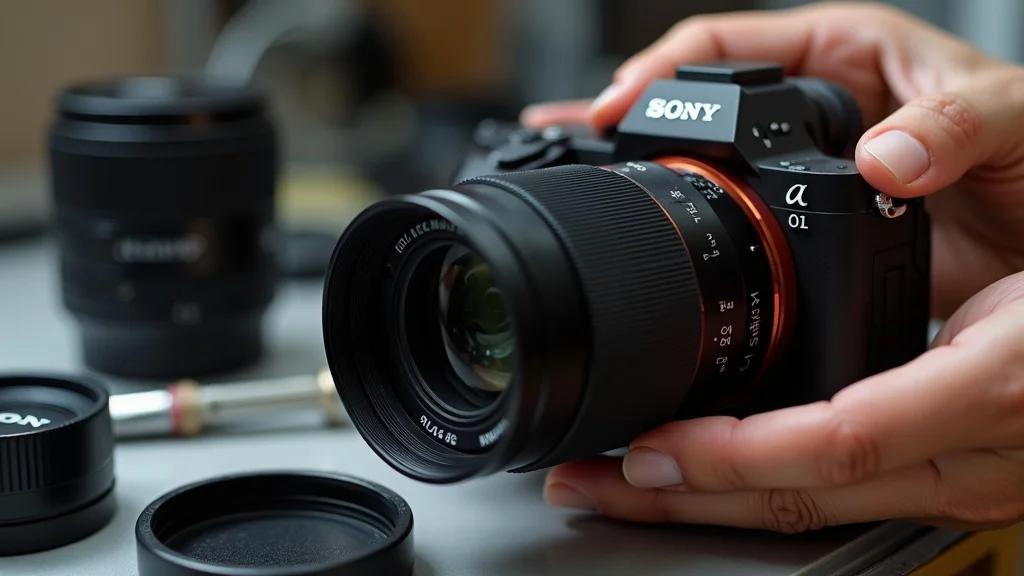
Expert Insights: Choosing the Right Sony Lens Mount (Quotes from Professionals)
“For professionals seeking edge-to-edge sharpness and robust build quality, GM lenses paired with FE mount bodies are a game-changer.” – Professional Photographer
- Future-proofing: Opting for FE or GM lenses is a safe bet if you plan to upgrade body or sensor size in the future.
- Creative flexibility: Mixing E, FE, G, and party lens options with adapters allows for experimentation and adaptation to new genres and shooting situations.
- Price and value: E and G lenses deliver outstanding quality and affordability for APS-C bodies; GM is worth the premium for high-end work.
- Lens ecosystem: Sony’s expanding lens ecosystem—bolstered by third-party brands—ensures every style of photographer finds their perfect match in the Sony Alpha family.
Sony Lens Mounts Explained: Practical Buying Guide & Common User Scenarios
From globe-trotting travel photography to cinematic video shoots, Sony has tailored its lens lineup—and by extension its lens mounts explained approach—to every need and budget. Understanding which lens works best for your camera and specific style assures optimized performance, reliability, and ease of use across any scenario.
Best Lenses for Travel, Portrait, Landscape, and Video
- Travel: Lightweight FE 24-105mm f/4 G OSS (full frame) or E 18-135mm f/3.5-5.6 OSS (APS-C) for supreme versatility.
- Portrait: FE 85mm f/1.4 GM (premium bokeh, full frame) or E 50mm f/1.8 OSS (APS-C, budget-friendly).
- Landscape: FE 16-35mm f/2.8 GM (vivid full frame wide angle) or E 10-18mm f/4 OSS (compact APS-C wide lenses).
-
FE 24mm f/1.4 GM (sharp, low-light, full frame) or Sigma 16mm f/1.4 DC DN (native E-mount for crop sensor vlogging).

People Also Ask About Sony Lens Mounts Explained
What is the difference between Sony E-mount and FE mount?
E-mount fits both APS-C and full-frame sensors, while FE specifically refers to full-frame lenses designed for Sony’s mirrorless systems. Use FE lenses for maximum quality on full-frame sensors; E-mount lenses cater to both sensor sizes but may show vignetting on full-frame bodies.
Are C mount and CS mount the same?
No, C mount and CS mount differ mainly by flange focal distance. These mounts are used primarily on industrial and CCTV cameras, not on Sony digital cameras. Know the difference to avoid compatibility issues.
What does Sony E-mount stand for?
“E-mount” is named for its use in Sony’s NEX (New E-mount eXperience) camera line; it represents an “Evolved” mount, offering a shorter flange distance for compact, mirrorless designs.
What is the difference between E-mount and F mount?
E-mount is Sony’s mirrorless camera mount system, while F mount is Nikon’s DSLR and SLR lens mount. They are not cross-compatible without a specialized lens mount adapter.
Sony Lens Mounts Explained Video Overview
Visual Breakdown: FE vs E vs G vs GM Mounts
Animated visual guide comparing Sony FE, E, G, and GM lens mounts, showing lens-to-body compatibility, mount size, and use-case scenarios.
Key Takeaways from Sony Lens Mounts Explained
- FE mount = full frame professional flexibility
- E mount = versatility for APS-C and full frame
- G = high-quality, GM = flagship pro quality
- Adapter choices expand options but require trade-offs
Frequently Asked Questions: Sony Lens Mounts Explained
Can I use FE lenses on APS-C E-mount cameras?
Yes, absolutely. FE lenses work seamlessly on APS-C Sony E-mount cameras. However, the field of view will be cropped by 1.5x due to the smaller sensor size, which can be advantageous for telephoto work but less so for wide angle shots. The lens will cover the entire sensor of an APS-C camera, though you won’t fully utilize the lens’s full frame capabilities.
Is there a loss in autofocus performance when using lens adapters?
Performance may vary. High-quality mount adapters can preserve most autofocus features, especially for stills, but focus speed, eye detection, and continuous tracking can suffer, particularly with third-party lens models or older DSLR lenses. For critical autofocus performance, use native Sony mount lenses whenever possible.
Do third-party lenses match the quality of Sony’s G Master series?
Some third-party lenses from Sigma and Tamron are excellent and can rival Sony’s own G and even some GM lenses for sharpness and value. That said, Sony’s G Master lineup generally leads in build quality, color rendition, autofocus reliability, and maximum resolving power—especially on the latest high-resolution sensor format mirrorless cameras. Choose best-in-class third-party models for savings, but stick with GM for uncompromising quality and system integration.
Decide with Confidence: Find Your Ideal Sony Lens Mount
Explore more lens compatibility resources or consult with a Sony specialist today to optimize your camera gear.
Conclusion: Mastering the differences in Sony lens mounts explained is the surest way to future-proof your gear, maximize creative output, and choose the right tools as your photography journey evolves.
If you’re eager to continue expanding your knowledge and elevate your photography, there’s a world of advanced techniques and creative inspiration waiting for you. The journey doesn’t end with understanding lens mounts—explore the broader landscape of lens reviews, hands-on tutorials, and expert insights at Lensdude. Whether you’re seeking the next breakthrough in image quality or want to discover how professionals approach gear selection, you’ll find resources designed to help you focus on the extraordinary. Take the next step and unlock new possibilities for your Sony camera system today.
Sources
- https://www.sony.com/electronics/support
- https://www.sonyalpharumors.com/
- https://www.dpreview.com/articles/6231207816/sony-lens-mount-guide-fe-e-g-gm
- https://www.thephoblographer.com/sony-lens-primer-fe-e-g-gm/
- https://www.photographylife.com/sony-lens-mounts-explained
To deepen your understanding of Sony’s lens mount system, consider exploring the following resources: Sony E-mount: This Wikipedia article provides a comprehensive overview of the Sony E-mount system, detailing its design, specifications, and compatibility with various camera bodies and lenses. (en.wikipedia.org) What are the differences between A-mount and E-mount camera lenses?: This official Sony support article explains the distinctions between A-mount and E-mount lenses, including compatibility, model naming conventions, and the use of lens mount adapters. (sony.com) These resources will provide you with detailed insights into Sony’s lens mounts, helping you make informed decisions about your camera gear.