Have you ever wondered if the secret to jaw-dropping photos lies in the lens you choose—prime or zoom? This question has ignited fierce debates among photographers for years. Whether you’re building your first camera kit or considering an investment in glass, the decision between prime vs zoom lenses could change the way you see and capture your world. In this article, we’ll break down the crucial differences, advantages, and real-world impact of each so you can finally answer: Which lens truly wins for your shots?
Prime vs Zoom Lenses: The Ongoing Debate
The prime vs zoom lenses debate is as old as modern photography itself. For every passionate advocate of the razor-sharp prime lens, there’s an enthusiast touting the spontaneous adaptability of zoom lenses. At the heart of this discussion lies the fundamental need to balance convenience, optical quality, and creative control in your photography. Prime lenses, with their singular fixed focal length, often promise impeccable image quality and clarity, while zooms grant you a versatile focal range and the freedom to adjust framing on the fly.
Whether shooting bustling street scenes, high-energy sports, or atmospheric landscapes, both prime and zoom lenses offer unique strengths. Understanding their pros and cons is essential before choosing which to add to your camera kit. This article explores key aspects—image quality, size and weight, maximum aperture, and creative flexibility—to help you discover which lens setup best suits your creative goals, workflow, and style.
What You’ll Learn About Prime vs Zoom Lenses
- Key differences between a prime lens and a zoom lens
- The role of focal length in creative photography
- Advantages and challenges of prime lenses vs zoom lenses
- Image quality, size and weight, flexibility, and more
Prime vs Zoom Lenses: Core Definitions
What Is a Prime Lens?
A prime lens features a fixed focal length, such as 35mm, 50mm, or 85mm. Unlike zoom lenses, which allow you to change the angle of view by twisting a zoom ring, a prime’s composition is altered only by moving closer or farther from your subject. This simplicity offers notable advantages—exceptionally wide maximum aperture, superior optical quality, and compact size and weight. Prime lenses are celebrated for producing exceptionally sharp images, smooth bokeh, and superior low-light performance. Their uncomplicated design means fewer internal glass elements, which often translates to less distortion and greater image clarity compared to their zoom counterparts. For many, a prime lens is the gateway to creative discipline, rewarding photographers who move their feet and carefully shape their compositions.
Whether you’re a beginner upgrading from a kit lens or a seasoned professional, prime lenses often become the go-to for portraits, street photography, and low-light settings. They force you to think about focal length and the angle of view, enhancing your compositional skills over time. While their lack of flexibility may seem restrictive at first, the creative benefits for depth of field and sharpness are readily apparent upon review of your images.
What Is a Zoom Lens?
A zoom lens covers a range of focal lengths—such as 24–70mm or 70–200mm—allowing you to reframe a shot quickly by adjusting the zoom ring. This versatility is invaluable, especially when you can’t physically move closer or farther from your subject. Zoom lenses are popular as all-in-one solutions; a single lens can replace several primes, saving space without sacrificing creative control. This is particularly true for travel, event, and sports photographers who need to react fast and capture fleeting moments.
On the technical side, zoom lenses often come with variable apertures, especially at lower price points or in kit lens variants. Higher-end models offer a constant, large maximum aperture, mimicking some advantages of primes in low-light and depth of field control. The tradeoff? More complex optical construction introduces minor compromises to sharpness, distortion, and weight—though modern zooms are impressively sharp and technologically advanced. Choosing between a quality zoom and a set of primes will likely come down to your shooting environment, style, and priorities.
| Feature | Prime Lens | Zoom Lens |
|---|---|---|
| Focal Length | Fixed (e.g., 50mm) | Variable (e.g., 24-70mm) |
| Maximum Aperture | Usually wider (f/1.2–f/2.8) | Usually narrower or variable (f/2.8, f/4–5.6) |
| Optical Quality | Generally higher; less distortion | Good, but optical compromises possible |
| Size and Weight | Compact and lightweight | Bulkier and heavier |
| Price | Lower to mid-range | Wide range (kit to pro level) |
| Typical Uses | Portrait, street, low-light | Events, travel, sports |
Prime vs Zoom Lenses in Image Quality
How Prime Lenses Excel in Optical Quality
When it comes to sheer image quality, many photographers and lens reviews agree that primes claim the crown. Their simple, fixed design means fewer glass elements and less complication inside, resulting in images with jaw-dropping sharpness, stunning contrast, and minimal aberrations. A prime lens excels at wide apertures (such as f/1.4 or f/1.8), allowing you to shoot in lower light and generate professional-looking background blur—features that are invaluable for portraiture and creative detail shots.
This superior optical quality is especially apparent in edge-to-edge sharpness, lack of distortion, and finer rendering of textures. Even entry-level primes outperform most kit lenses and match or surpass some high-end zooms in overall clarity. These qualities make prime lenses a staple for photographers aiming for gallery-grade images or those who demand confidence in every pixel. While modern zooms can offer impressive results, nothing quite matches the crispness and light gathering of a prime.
‘Few things challenge a prime’s impeccable crispness—especially at wide apertures.’
Zoom Lenses: Balancing Versatility and Image Quality
While primes are often seen as the gold standard for clarity, zoom lenses have closed the gap remarkably in recent years. A well-crafted zoom, such as a 24-70mm f/2.8 professional zoom lens, delivers excellent image quality across its focal length range with only minimal compromises. Advances in lens manufacturing and coatings mean that sharpness, contrast, and color rendering are now strong suits of modern zooms, especially at their best focal lengths.
The primary benefit of zoom lenses is the flexibility to adapt. You can instantly reframe your shot, take wide-angle cityscapes, and then tightly crop a portrait by simply rotating the zoom ring—no lens swapping required. For photojournalists and event shooters, this adaptability outweighs the slight dip in sharpness compared to primes. Overall, zoom lenses balance quality with a dynamic shooting experience, making them practical for those who value versatility over pixel-peeping perfection.
If you’re interested in maximizing the sharpness and clarity of your images, exploring advanced lens techniques can make a significant difference. For a deeper dive into how lens choice impacts your results, check out the expert guides and resources available at LENSDUDE, where you’ll find practical tips tailored to both prime and zoom lens users.
Maximum Aperture and Variable Aperture: How They Influence Your Shots
Maximum Aperture: Creative Depth of Field
The maximum aperture of a lens defines its ability to gather light and create background blur (bokeh). Prime lenses shine here, often boasting wider apertures such as f/1.4, f/1.8, or even f/1.2. This functional advantage allows you to achieve those dreamy, shallow depth-of-field portraits and tackle low-light environments without boosting your ISO or slowing your shutter speed. For creative photographers, the bigger maximum aperture is a ticket to standout portrait, street, or detail images—even on an entry-level frame camera.
Wider apertures also offer more control over the aesthetic of your shots, isolating subjects and adding mood or emotion. This edge is why many professionals reach for a prime lens when shooting in difficult lighting or striving for a cinematic look. Even so, some luxury-grade zoom lenses now offer constant apertures of f/2.8, bridging the gap—but prime’s reputation for light gathering and ‘look’ remains strong.

Variable Aperture in Zoom Lens Choices
Many zoom lenses—especially those bundled as kit lenses—feature a variable aperture. This means the maximum aperture narrows as you zoom in, for instance from f/3.5 at the wide end to f/5.6 at full telephoto. While cost-saving, variable apertures restrict your options in low light and decrease control over shallow depth of field. Professional zooms counter this with a constant aperture, such as f/2.8, making them more expensive but dramatically more capable in challenging scenes.
For beginners and travel photographers, a variable aperture zoom offers a lightweight and affordable solution that covers a wide range of focal lengths—great for learning and quick snapshots. But to match the blur and low-light performance of a prime lens, you may need to invest in a higher-end zoom or accept the trade-off in exposure and creative options. Weighing the importance of aperture in your photography will help you decide which lens system aligns with your artistic goals.
Prime vs Zoom Lenses: Portability, Size and Weight
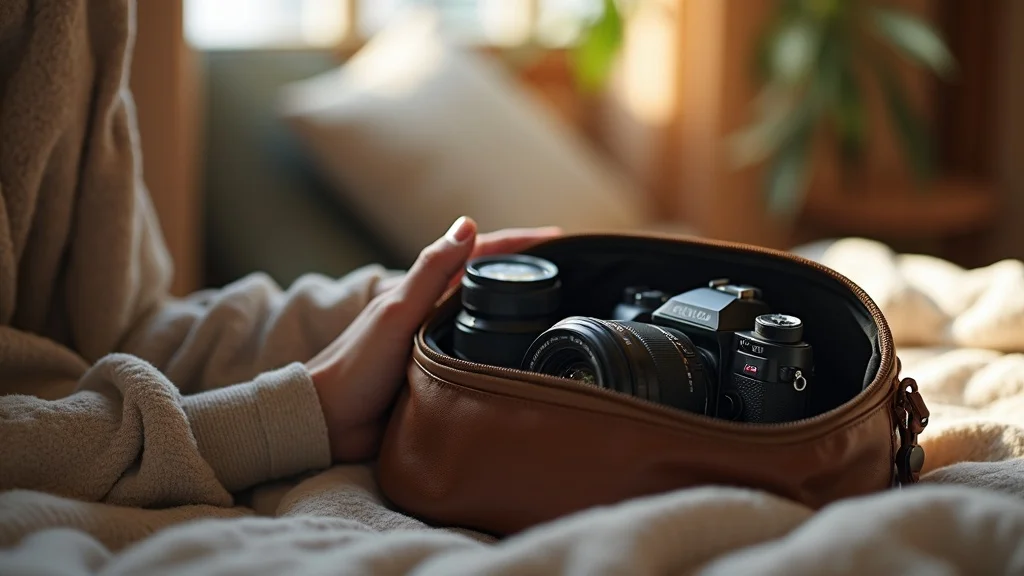
One of the most obvious differences in the prime vs zoom lenses comparison is size and weight. Prime lenses are typically much lighter, smaller, and easier to carry, making them perfect for street, travel, or day-long sessions. A simple 35mm or 50mm prime adds barely any bulk or weight to your frame camera or mirrorless camera setup—meaning you’ll be more likely to take your camera everywhere.
Zoom lenses, with their complex internal mechanisms and broader range, are inevitably heavier and larger. Professional zoom lenses, especially those with wide constant apertures or extended telephoto reach, can be quite substantial in your bag or on your shoulder. This may influence your endurance, mobility, and willingness to bring your gear—even the best zoom lens in the world is no use if it’s left at home to avoid backache! For minimalist shooters, travelers, or anyone valuing discreet setups, primes often come out ahead for everyday carry, while zooms make sense when you’d rather not swap glass in the field.
‘A small prime can go everywhere your inspiration does.’
Creative Flexibility: Prime vs Zoom Lenses for Real-world Shooting
- Prime lenses encourage movement and composition discipline
- Zoom lenses grant spontaneous framing adjustment
- Which is better for street, landscape, and portrait work?
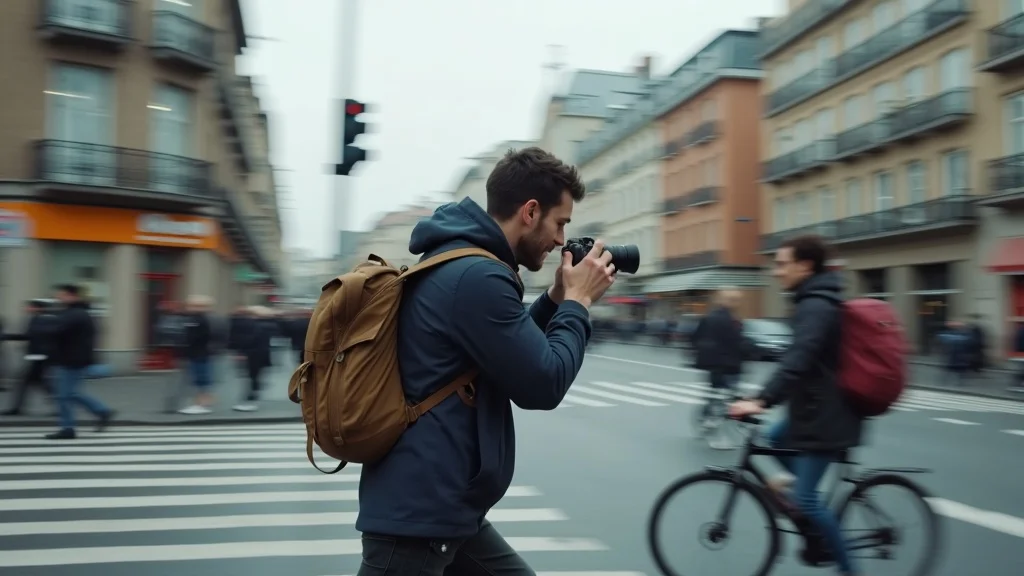
Photographic creativity often flourishes under constraints, and primes make you move and think more deeply about your composition. When you can’t simply twist a zoom ring, you’re incentivized to try different heights, angles, and subject distances—a method that can lead to more deliberate, thoughtful images. Many street and portrait photographers favor primes because they help train the eye for storytelling within a fixed focal length.
On the other hand, a zoom lens empowers you to grab changing moments as they happen without breaking your flow. This is essential in fast-paced environments like sports, wildlife, or unpredictable travel scenarios. Need a wide establishing shot and a tight portrait, all within seconds? A good zoom offers that possibility, making it a trusted choice for event shooters and photographers on assignment. Ultimately, both lens types foster creativity, but in distinctly different ways—primes through discipline, zooms through adaptability.
Prime vs Zoom Lenses in Professional and Amateur Hands
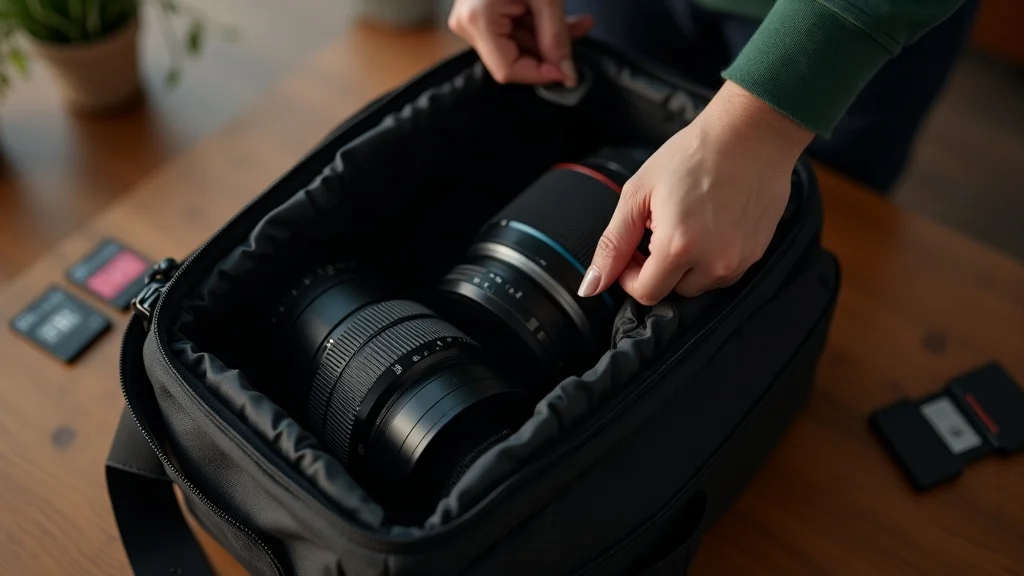
Whether you’re an aspiring hobbyist or a professional photographer, the decision to use prime vs zoom lenses isn’t dictated solely by skill level. Many professionals carry both—opting for a sharp prime lens in controlled shoots (like portraits or studio work) and a zoom for event coverage or demanding fieldwork. Knowledge of the strengths and limitations of each lens helps at every stage of your photography journey.
Amateurs often start with a kit lens (an affordable zoom) to learn the ropes of composition and focal lengths. Eventually, many gravitate to primes for their simplicity, sharper image quality, and ability to unlock new creative styles. Pros, meanwhile, may favor top-tier zooms for speed and flexibility, but still rely on their favorite primes for assignments requiring absolute sharpness or low-light mastery. The ideal path is often a blend: build your kit around your favorite lens type, then add the other for when you need extra flexibility or quality.
Prime vs Zoom Lenses: Price, Investment, and Long-term Value

Another critical aspect in the prime vs zoom lenses debate is price and long-term value. Prime lenses, especially those with standard focal lengths and moderate maximum apertures, are often more affordable than high-end zooms. Their simple designs bring down costs and make them accessible investments for those building their kit from scratch. But prices can climb steeply for premium or specialty primes such as ultra-wide or f/1.2 lenses.
Zoom lenses range widely in cost—from basic kit lens models to elite professional zoom lens options that rival or even exceed the price of several primes combined. However, considering one zoom can do the job of multiple focal lengths, it may ultimately represent better value if you shoot a variety of genres or travel light. It’s a matter of weighing up-front expense, usage frequency, and the unique visual ‘look’ you want for your images. A wise investment often includes at least one versatile zoom and a prime or two for specialized work.
Watch side-by-side footage where both a prime and zoom lens are used to shoot the same scene. Note differences in sharpness, bokeh, and field of view as the photographer explains strengths and subtleties in a real studio environment.
Go on location with a pro photographer using prime vs zoom lenses in dynamic, real-world scenarios. See spontaneous changes, creative compositions, and hear field-tested opinions on what works best for travel, street, and action shots.
Lists: When to Choose Prime Lenses vs Zoom Lenses
- Situations where a prime lens outperforms
- Scenarios where a zoom lens is ideal
- Which lens to choose for travel, portrait, sports, or landscape?
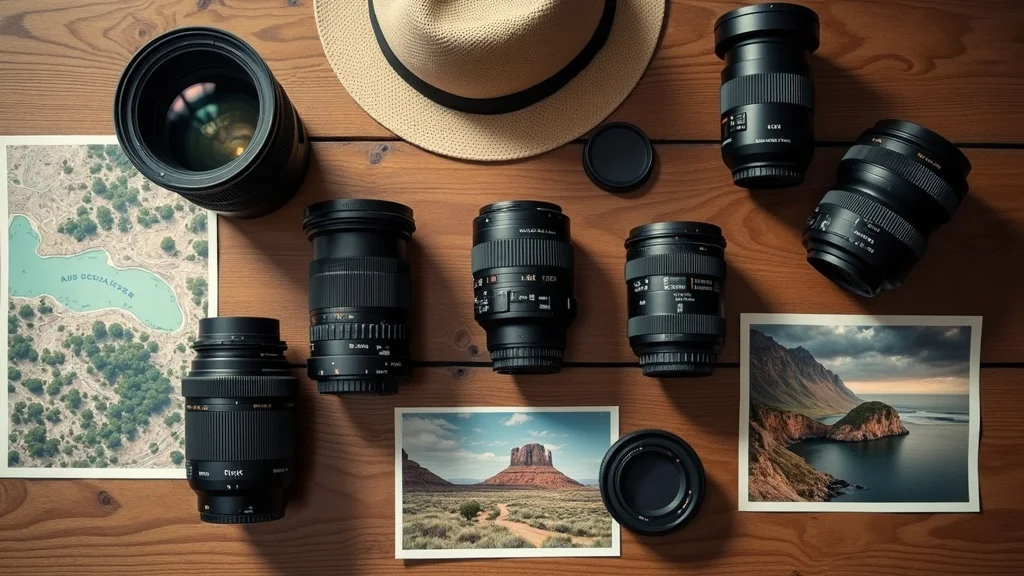
People Also Ask: Prime vs Zoom Lenses
Which is better prime lens or zoom lens?
The answer depends on your priorities. A prime lens delivers top-notch sharpness, low-light performance, and artistic background blur, making it ideal for portraits, low-light, or deliberate compositions. Zoom lenses, meanwhile, provide flexibility and rapid reframing, crucial for fast-paced or ever-changing scenes like events and sports. Most photographers eventually own both, relying on each depending on the situation and their creative goals.
Are primes really sharper than zooms?
Generally, yes—prime lenses are engineered for maximum performance at a single focal length, resulting in superior sharpness, less distortion, and richer contrast compared to zooms. However, recent advancements in professional zoom lens design have closed the gap considerably, especially at the center of the frame and moderate apertures. Still, edge-to-edge sharpness and wide aperture use remain the domain of most primes.
What are the disadvantages of prime lenses?
The primary downside is a lack of flexibility. With a fixed focal length, you must physically move to change your composition. This can be limiting in fast-paced environments or crowded areas where mobility is restricted. Carrying multiple primes for versatility is possible but increases the weight and complexity of your kit compared to an all-in-one zoom lens solution.
What is the benefit of a prime lens if it doesn’t zoom?
Prime lenses excel in image quality, maximum aperture, and simplicity. They encourage creative discipline, pushing you to compose more thoughtfully. Faster apertures allow for beautiful background blur and excellent low-light capability. Although they lack zoom, their strengths make them indispensable for specific genres and personal creative growth.
FAQs About Prime vs Zoom Lenses
- Can a zoom lens ever fully replace primes?
While a high-quality zoom lens can cover multiple focal lengths and replace several primes for convenience, it seldom matches the ultimate sharpness and maximum aperture of dedicated prime lenses. Many photographers carry both for different situations. - What’s the ideal focal length for beginners?
Most beginners find a 35mm or 50mm prime (on full-frame cameras) intuitive for learning composition and lighting. Standard zoom lenses (like 18-55mm or 24-70mm) are also excellent starter choices for flexibility. - Are prime lenses better for portrait or landscape?
Prime lenses—especially 85mm and 50mm—are outstanding for portraits, thanks to sharpness and creamy background blur. For landscapes, a sharp wide-angle prime (like 24mm) can deliver exceptional quality, though many landscape photographers use zooms for their framing flexibility.
Key Takeaways: Prime vs Zoom Lenses
- Prime lenses deliver best-in-class sharpness and light gathering.
- Zoom lenses offer versatility and convenience for changing scenes.
- Both types have a place in a well-rounded kit.
Making the Choice: Which Lens Wins for Your Shots?
In the end, neither lens category wins outright. The “winner” for your shots will hinge on your artistic preferences, common subjects, and how you approach visual storytelling. Most photographers find that a judicious mix—one or two favored primes paired with a high-quality zoom—offers the broadest creative latitude, ensuring you’re ready for anything your next photo adventure brings.
Ready to Elevate Your Photography?
No matter your style or experience, understanding the strengths of both prime and zoom lenses will move you closer to photographic excellence. Invest thoughtfully, experiment boldly, and watch your images transform.
As you continue to refine your photography skills and lens choices, remember that the journey doesn’t end with just picking between prime and zoom. There’s a world of advanced techniques, creative inspiration, and gear insights waiting for you. For a broader perspective on elevating your craft and discovering extraordinary ways to use your equipment, explore the in-depth articles and expert advice at LENSDUDE – Focus on the Extraordinary. Let your curiosity lead you to new ideas and next-level results with every shot you take.
Conclusion: Choosing between prime vs zoom lenses is personal—embrace their strengths and build a kit that inspires your next amazing image.
Sources
When deciding between prime and zoom lenses, it’s essential to understand their distinct advantages to determine which aligns best with your photography needs. Prime lenses, with their fixed focal lengths, are renowned for superior image quality and wider apertures. This design simplicity often results in sharper images and better performance in low-light conditions. Additionally, primes tend to be more compact and lightweight, making them ideal for travel and street photography. (garyholpin.co.uk) On the other hand, zoom lenses offer versatility by covering a range of focal lengths within a single lens. This flexibility allows photographers to quickly adjust framing without changing their position, which is particularly beneficial in dynamic shooting environments like events or wildlife photography. However, this convenience can come with trade-offs, such as potential compromises in image sharpness and larger physical size. (dpreview.com) For a more in-depth comparison and visual examples, consider watching the following video: Zoom vs Prime lenses – Which one is for you?