Have you ever wondered if you’re truly cleaning your camera lenses the right way—or could your current method be putting your image quality at risk? If you crave sharp, vibrant photos, the secret often lies not in your camera, but in the clarity of your lens. This guide dives deep into how to clean camera lenses professionally, debunks common myths, and equips you with techniques trusted by expert photographers.
Unveiling the Truth: Are You Cleaning Camera Lenses the Right Way?
It’s easy to assume that simply wiping your camera lens with the corner of your shirt will keep it spotless, but this common practice can actually harm your lens coatings and reduce image quality over time. Knowing how to clean camera lenses the right way means protecting your investment and ensuring every photograph you take is as crisp and clear as possible. Upgrading your cleaning process isn’t just about avoiding visible smudges—it’s about maintaining the performance and longevity of your camera lenses for years to come. In this guide, we’ll share extensively-researched, beginner-friendly methods to keep your camera lens in top shape, using the safest tools and step-by-step routines approved by professionals. By the end, you’ll have confidence that every cleaning enhances, rather than endangers, your precious photographic tools.
Common Misconceptions about How to Clean Camera Lenses
Many new photographers believe that household glass cleaners or any soft cloth can quickly get the job done when cleaning camera lenses. However, using products like Windex or standard tissues can strip away protective coatings, leaving the lens vulnerable to scratches and reducing image quality. Another myth is that cleaning your lens too often will damage it, but regular gentle cleaning, with proper tools like a microfiber cloth and cleaning solution, actually prolongs its life and keeps your shots crisp. Don’t fall for quick fixes—your lens is not your eyeglasses, and it deserves specialized care!
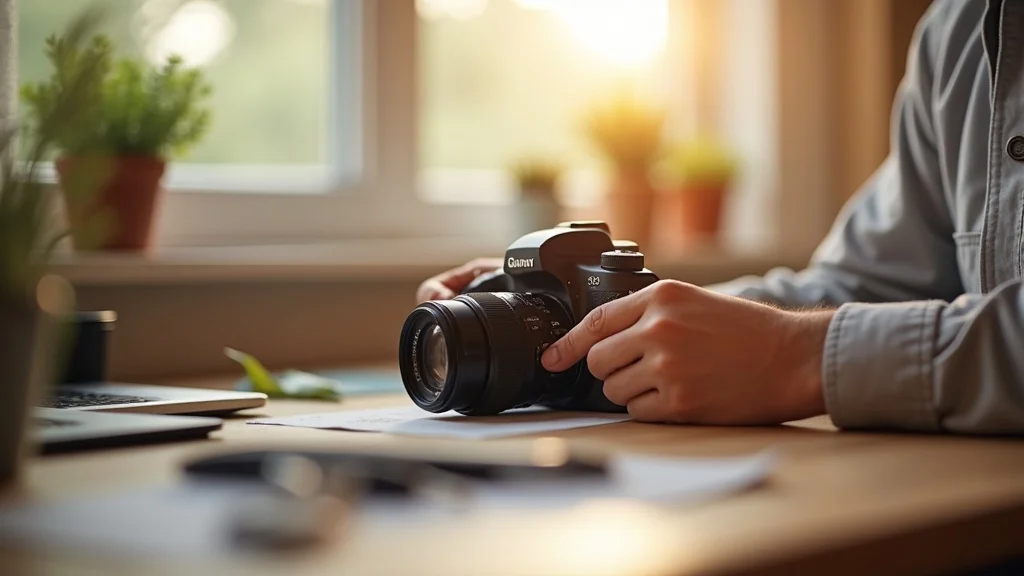
What You’ll Learn in This Camera Lens Cleaning Guide
- How to clean camera lenses safely and effectively
- Best tools for cleaning your camera lens
- Difference between cleaning front element and rear element
- Proper use of isopropyl alcohol and cleaning solutions
- Everyday maintenance tips for camera lenses
As you build your lens cleaning routine, it’s also helpful to understand how these techniques fit into a broader camera care strategy. For a deeper dive into maintaining your entire camera kit and preventing common issues, explore the practical tips and guides available at LENSDUDE, where you’ll find actionable advice for photographers at every level.
The Importance of How to Clean Camera Lenses Properly
Understanding why and how to clean camera lenses isn’t just about aesthetics—it directly impacts your photo results and camera longevity. Dust, dirt, and oily fingerprints degrade sharpness and, if not removed safely, can lead to permanent scratches. Taking time to clean your camera lens correctly means your expensive gear stays reliable, and you keep capturing frames with brilliant color and rich detail. Bad lens hygiene is truly a photographer’s silent enemy. Maintaining a clean lens is as essential as keeping your camera bag organized or your batteries charged.
Why Regular Camera Lens Cleaning Matters
Consistent, gentle cleaning prevents buildup of dust and dirt, which, over time, can accumulate even in the most well-kept cameras and lenses. It protects the delicate coatings on your lens elements, ensuring every pixel glows with clarity. Whether you’re a hobbyist or a pro, regular cleaning transforms your shooting experience by eliminating lens flare, ghosting, and distortion caused by particles and smudges. Without it, you risk missing once-in-a-lifetime shots due to soft, hazy images that not even the best editing software can fix.
“Clean lenses are the cornerstone of sharp, vibrant photography—neglecting them can ruin priceless shots.”
Understanding Your Camera Lens Components
To flawlessly clean your camera lens, you must first understand its basic structure. Every lens features two crucial sides: the front element, which faces the world, and the rear element, which mounts to the camera body. The front element is more exposed to dust, sticky fingers, and fingerprints, while the rear element is susceptible to dirt and residue from the lens mount. Knowing the difference can help you clean your camera lenses with the right technique, ensuring both ends receive the appropriate care. Don’t overlook the lens cap—it’s your first line of defense against dust and scratches!
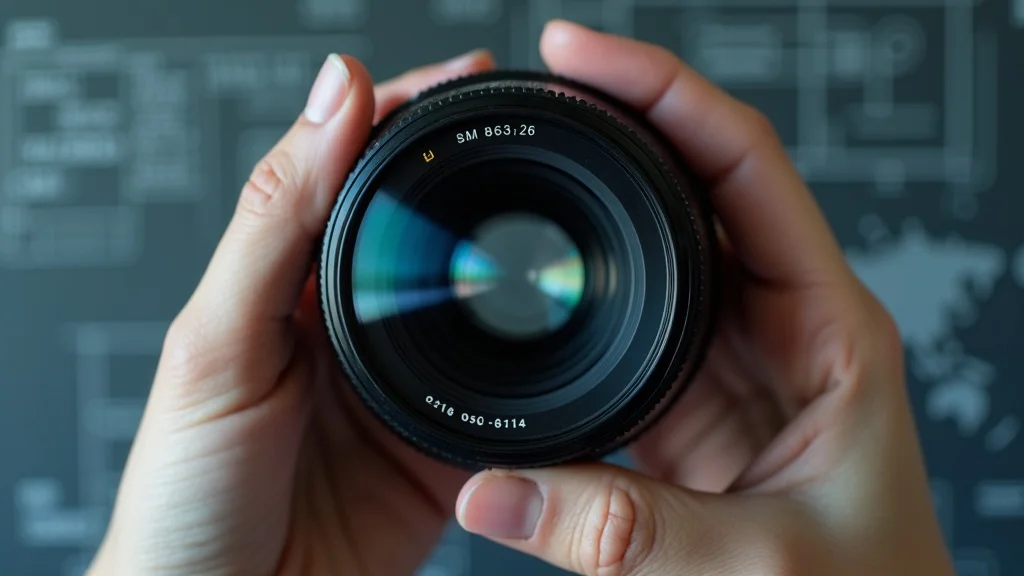
Front Element vs. Rear Element: What to Clean and When
The front element of your camera lens is most likely to pick up dust, smudges, and water spots during outdoor shoots or when your lens cap isn’t on. As such, clean the lens gently with a microfiber cloth and cleaning solution each time you spot visible grime or before important shoots. The rear element should be cleaned more sparingly, as it is less exposed, but keep it spotless especially during lens changes—dust here can impact your sensor and degrade image quality. Always use extra caution; scratches or residue on either element can dramatically affect your photographs.
The Role of the Lens Cap in Keeping Your Camera Lens Clean
Using a lens cap is the easiest way to preserve cleanliness, especially when storing your gear in a camera bag or shooting in dusty environments. Always replace the lens cap immediately after use, and consider using a UV filter as an additional protective layer. These small habits, when paired with regular conscious cleaning, will minimize the frequency and intensity of the cleaning process, keeping you focused on shooting instead of maintenance.
Essential Tools for How to Clean Camera Lenses
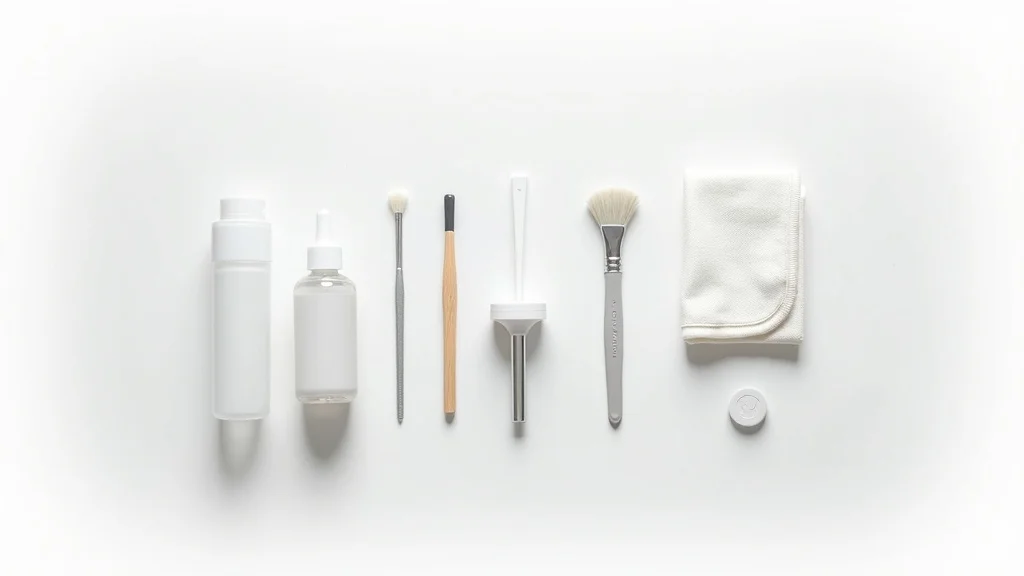
Using the right equipment makes cleaning your camera lens safe, efficient, and stress-free. The following tools are considered industry-standard and can be found in any well-equipped camera lens cleaning kit. Don’t cut corners—improper tools increase the risk of scratches, residue, or damage.
- Microfiber cloth
- Blower
- Soft brush
- Lens cleaning tissue
- Cleaning solution
- Isopropyl alcohol
| Cleaning Tool | Best Use |
|---|---|
| Microfiber Cloth | Removing smudges and fingerprints from lens element safely |
| Blower | Dislodging loose dust and dirt without touching the lens |
| Soft Brush | Clearing stubborn dust particles from lens edge and grooves |
| Lens Cleaning Tissue | Single-use for delicate final polish of lens glass |
| Cleaning Solution | Dissolving oily spots and sticky substances on lens surface |
| Isopropyl Alcohol | Removing stubborn stains and sanitizing lens, when used sparingly |
Step-by-Step Guide: How to Clean Camera Lenses Safely
Pre-Cleaning: Dusting Off the Camera Lens
Before applying any liquid solution or wiping with a cloth, always begin by gently dusting off the lens. Tilt your lens downward and use a manual air blower to remove visible dust and dirt. Never use your breath, as moisture can leave behind spots or attract more debris. If particles remain, a soft brush—preferably one designed for camera lenses—can safely sweep away stubborn dust from the lens element and the lens mount. This step is vital to prevent scratching your glass when you move on to contact cleaning. Remember: starting with a clean, dust-free surface is the cornerstone of effective lens cleaning.
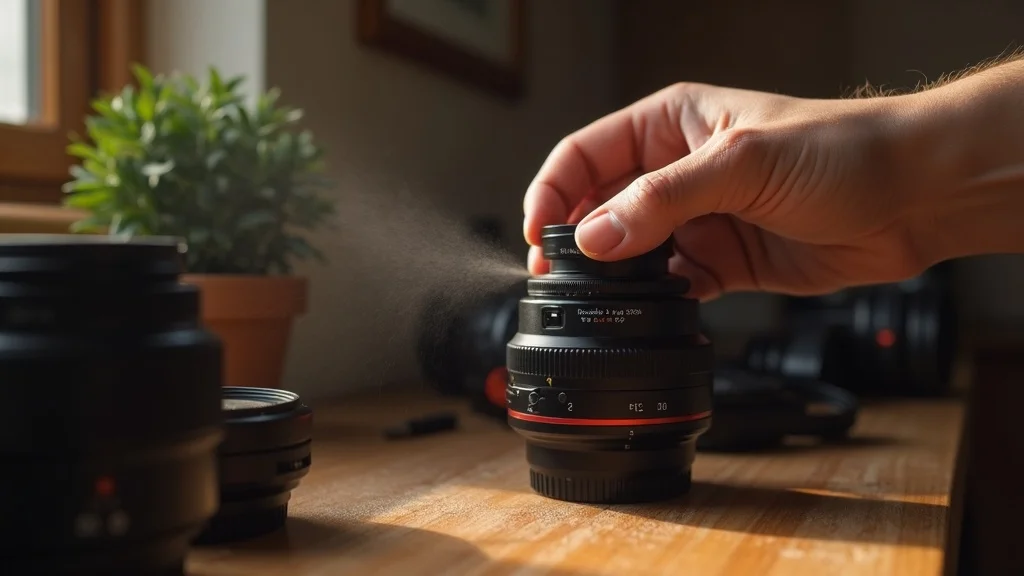
How to Clean the Lens with Microfiber Cloth and Cleaning Solution
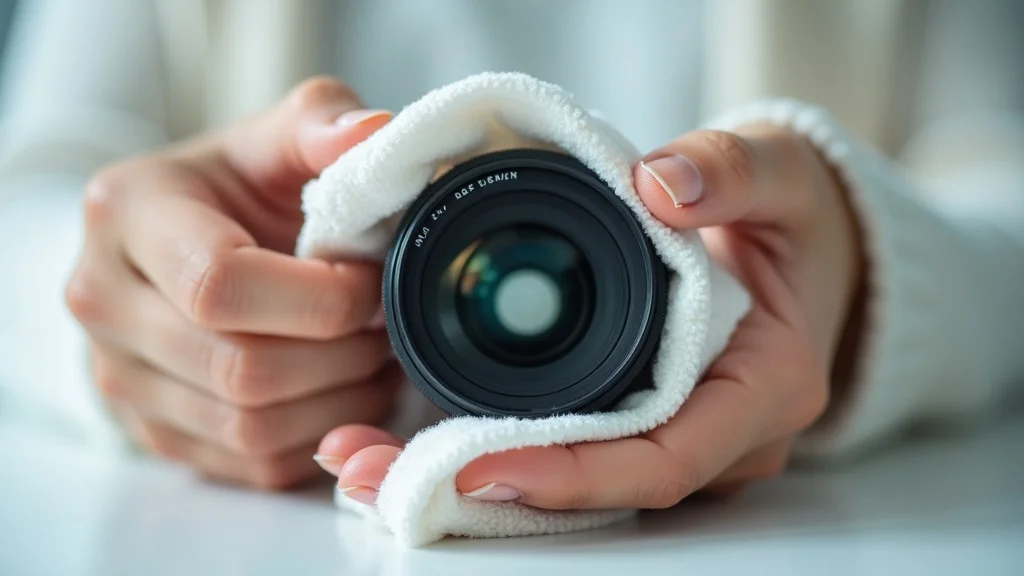
Once your lens is free of loose dust, lightly dampen a clean microfiber cloth with lens cleaning solution designed specifically for optical glass. Gently wipe the lens surface in a spiral or circular motion starting from the center and moving outwards. Apply minimal pressure to avoid driving debris into the lens elements. Avoid household fabrics or tissues, as their fibers can scratch coatings and reduce lens clarity. Periodically switch cloth sections or use lens cleaning tissue for a final touch. This method effectively lifts away oily residue and fingerprints—especially important for the front element that sees the most action.
Using Isopropyl Alcohol for Stubborn Stains
For persistent spots or greasy marks that resist typical solutions, apply a drop of >90% pure isopropyl alcohol to a fresh microfiber cloth or a lens cleaning tissue. Gently dab the stubborn stain and follow with a light circular motion. Avoid letting the alcohol seep into the edges of your lens as it may damage internal elements. Alcohol is excellent for breaking down organic residue but should only be used for tough jobs—not routine cleaning. Never use alcohol wipes derived from household brands; they often contain extra ingredients that can degrade protective lens coatings, negatively impacting image quality.
Lens Cleaning Frequency: How Often Should You Clean Your Camera Lenses?
There is no one-size-fits-all answer; optimal cleaning frequency depends on how often, and where, you shoot. Outdoor photographers will need to clean their camera lenses more frequently, especially after dusty, sandy, or humid environments. In general, visually inspect your lens before every major shoot and gently clean as needed. Over-cleaning can cause unnecessary wear to lens coatings, but neglect invites dust, dirt, and fungus, which are far worse. Strike a balance—routine light cleaning keeps lenses in excellent shape and reduces the need for deep cleans.
Everyday Maintenance & Storage Tips for Clean Camera Lenses
Store your camera and lenses in a dry, dust-free environment, ideally inside a dedicated camera bag with padded compartments. Always use lens caps or UV filters to protect your lens elements, especially during transport or long-term storage. If you notice condensation or rapid temperature changes, let your equipment air out before sealing it away to avoid internal fog. Staying vigilant with these habits not only keeps your lenses pristine but also helps prevent internal dust intrusion and extends your camera’s lifespan.
A step-by-step demonstration video showing the complete safe camera lens cleaning process—from using an air blower, soft brush, to proper microfiber cloth and solution application—presented with clear close-up shots and calm, instructional narration.
People Also Ask About How to Clean Camera Lenses
What is the best way to clean a camera lens?
Answer: The best way to clean a camera lens involves using a blower to remove dust, a soft brush for lingering particles, and a microfiber cloth with a lens cleaning solution for gentle removal of smudges on both the front and rear elements. Avoid rough fabrics and harsh chemicals.
Can you use alcohol wipes on camera lenses?
Answer: Pure isopropyl alcohol (over 90%) is generally safe if applied with a microfiber cloth, but most pre-packaged alcohol wipes also contain other substances that can damage lens coatings. Dedicated lens cleaning tissues or solutions are preferred.
Can I use Windex on a camera lens?
Answer: No, Windex and similar household cleaners contain chemicals and ammonia that can harm the sensitive coatings of your camera lens. Only use solutions specifically designed for lens cleaning.
How to clean fingerprints off camera lens?
Answer: Gently blow away dust, then use a microfiber cloth dampened with lens cleaning solution in a circular motion to remove fingerprints without scratching the lens.
Advanced Lens Cleaning: Dealing with the Rear Element and Internal Dust
Cleaning the rear element requires careful attention. Always remove the lens from your camera body in a clean, dust-free location. Hold the lens with the rear element facing down, and use a blower to gently dislodge any particles. Touch-up with a microfiber cloth is only necessary if you notice visible fingerprints or sticky residue. Avoid introducing moisture near the lens mount—this can cause electronic contacts to malfunction.
Internal dust is a more complex issue: if dust or mold appears between lens elements, DIY solutions may worsen the problem. Visible haze, spots, or fungal growth call for professional cleaning—resist the temptation to disassemble the lens, as this requires specialized tools and expertise to preserve image quality.
When to Seek Professional Camera Lens Cleaning Services
Professional services are recommended for removing internal dust, mold, or haze from between lens elements or for deep cleaning after prolonged exposure to dust, sand, or saltwater. If your cleaning efforts don’t restore clarity or you see signs of physical damage, send your equipment to an authorized technician. This supports your lens’s resale value and ensures sensors, mounts, and coatings are treated with lab-grade precision.
Top Dos and Don’ts: Camera Lens Cleaning Best Practices
- Do use a lens cap when not shooting
- Don’t use household glass cleaners
- Do store camera lenses in a dry, dust-free environment
- Don’t touch the glass directly with your fingers
FAQs on How to Clean Camera Lenses
- Can lens cleaning kits damage the lens coatings?
Modern kits are safe when used as directed. Avoid pressing hard or using expired solutions to protect coatings. - How do I clean mold or fungus from my camera lens?
Don’t attempt to clean severe mold yourself. Immediate professional cleaning is essential to prevent permanent damage. - Are there any quick fixes for cleaning camera lenses in the field?
Carry a blower and microfiber cloth for spot cleaning, and avoid touching the lens surface—field wipes should be used only as a last resort. - Should filters be cleaned differently than lenses?
Clean UV filters with the same methods as lenses, but check for scratches or coating damage more frequently, as filters are less robust.
Key Takeaways on How to Clean Camera Lenses
- Regular cleaning with proper tools prolongs camera lens life
- Never use harsh chemicals or rough fabrics
- Microfiber cloths, blower, and lens-specific solutions are essential
- Professional cleaning is sometimes the safest route for internal dust or mold
Watch top tips on preventing dust, protecting lens coatings, and maintaining your camera lenses for maximum image quality, presented by a professional photographer.
Ready to keep your lenses spotless? Shop recommended camera lens cleaning kits today!
Conclusion: Mastering how to clean camera lenses is essential for every photographer—start using safe tools and smart routines for sharper, clearer, more vibrant photography.
If you’re eager to elevate your photography beyond just clean lenses, consider exploring the full spectrum of resources at LENSDUDE. There, you’ll discover not only advanced maintenance strategies but also inspiration for creative shooting, gear reviews, and expert insights to help you capture the extraordinary. Whether you’re troubleshooting tricky lens issues or seeking your next breakthrough in image quality, LENSDUDE offers a wealth of knowledge to support your journey. Take the next step and unlock new levels of clarity and creativity in every shot.
Sources
- https://www.bhphotovideo.com/explora/photography/tips-and-solutions/how-to-clean-camera-lenses
- https://www.dpreview.com/how-to/clean-camera-lens-guide
- https://www.digitalcameraworld.com/features/how-to-clean-camera-lens
- https://photographylife.com/how-to-clean-camera-lens
Maintaining the clarity and longevity of your camera lenses is crucial for capturing sharp, vibrant photographs. To ensure you’re using the best practices, consider the following authoritative resources: Sony’s guide on “How to clean and maintain your lenses?” (sony.com) provides a comprehensive overview of the necessary tools and step-by-step procedures for safely cleaning both the camera body and lens. TechRadar’s article “How to clean your camera lens” (techradar.com) offers practical tips, including the use of UV filters for protection and the importance of using a blower to remove dust before wiping the lens. By consulting these resources, you’ll gain valuable insights into effective lens cleaning techniques, helping you maintain your equipment in optimal condition for years to come.