Have you ever wondered why two photographers can use the same camera but end up with entirely different photos? The secret often lies in the lens—a crucial piece of your photography puzzle. Learning how to choose a camera lens not only shapes the pictures you take but defines your creative journey. This comprehensive guide will demystify the world of camera lenses, ensuring you invest wisely and avoid costly regrets, no matter your skill level.
Unlocking the Art: Why How to Choose a Camera Lens Matters for Every Photographer
Choosing the right camera lens is more than just picking a glass tube—it’s about unlocking your artistic potential and translating your vision into memorable imagery. Lenses act as your window to the world, impacting everything from sharpness to bokeh, perspective, and versatility. Whether you shoot with a DSLR camera or embrace the future with mirrorless cameras, your choice of lens is pivotal.
A thoughtful selection process ensures that you have the right tool for your subject matter, enhances image quality, and adapts to changing conditions. Photographers who understand how to choose a lens for their camera system find that their creativity and technical capability grow in tandem. By considering distinctions between zoom lenses, prime lenses, angle lenses, and telephoto lenses, you’re less likely to fall for common marketing traps and more equipped to make decisions that foster growth throughout your personal photography journey.
The Impact of Camera Lenses on Your Photography Journey
Think of your camera lens as the storyteller of your camera system. While the camera body handles settings and image processing, the lens determines what and how much of your scene is captured—its field of view, depth, and clarity. Upgrading from a kit lens to a better-matched lens can instantly transform both the look and technical excellence of your photographs.
From the sweeping vistas crafted by a wide angle lens to the tightly composed isolation made possible with telephoto lenses, your lens is the bridge between your eye and the final photograph. Photographers often discover their favorite shooting style only after experimenting with different lens types, focal lengths, and apertures. Whether you’re aiming for dreamlike portrait photos with creamy backgrounds or stunning wildlife images with powerful reach, the right lens choice is the key to unlocking a universe of photographic options.
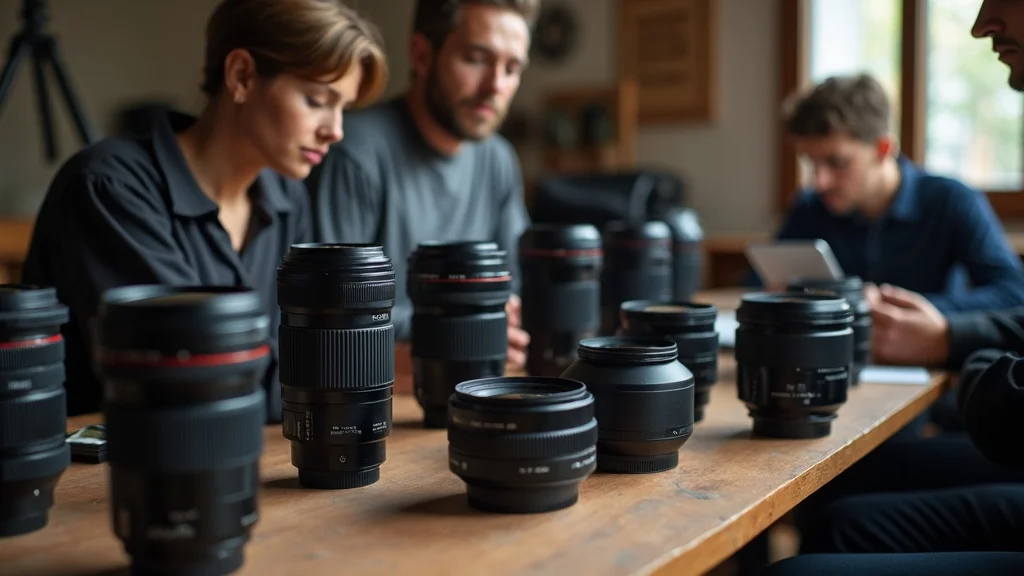
What You’ll Learn About How to Choose a Camera Lens
- Understanding camera lens basics and terminology
- Comparing zoom lens, prime lens, telephoto lens, and angle lens options
- Evaluating focal length for various subject matters
- Learning expert-backed tips for selecting the right camera lenses
- Common mistakes to avoid when choosing a photo lens
Fundamentals: Camera Lens Types and Basic Features
Prime Lenses vs. Zoom Lenses: What’s the Difference?
A prime lens features a fixed focal length, such as 50mm or 85mm, delivering optimal sharpness, minimal distortion, and larger apertures for impressive low-light performance. In contrast, a zoom lens offers a range of focal lengths (like 24–70mm or 70–200mm), giving you remarkable versatility—perfect when you want to capture everything from wide-angle landscapes to tight portraits without swapping lenses.
Prime lenses are typically lighter and known for their exceptional image quality and wide aperture, facilitating beautiful background blur (depth of field). Zoom lenses, however, provide flexibility, especially when you can’t easily move closer or farther from your subject. Deciding between prime and zoom comes down to your style, the genres you shoot, and the convenience you require in your kit. Both lens types play a crucial role for photographers who want to grow their skills and versatility.
If you’re interested in diving deeper into the nuances of lens selection and want practical advice tailored to real-world scenarios, be sure to explore the in-depth resources available at LENSDUDE’s expert guides. Their hands-on tips can help you make more informed choices as you build your lens collection.
Telephoto Lens and Angle Lens: When to Use Each
Telephoto lenses have longer focal lengths (typically 70mm and above), allowing you to capture distant subjects with clarity and compressed perspective, making them favorites for sports, wildlife, and event photography. Their ability to magnify distant scenes means you can photograph a bird in flight or a player on the field from comfortable distances without disturbing the action.
On the other hand, angle lenses—commonly known as wide angle or ultra-wide lenses—boast short focal lengths (often 10mm to 35mm). These lenses excel at showcasing broad landscapes, tight indoor spaces, and architectural scenes where you want to fit as much as possible into the frame. The exaggerated perspective also lends a creative, immersive look, making wide angles popular among travel, interior, and landscape photographers.
Essential Camera Lens Specs Explained
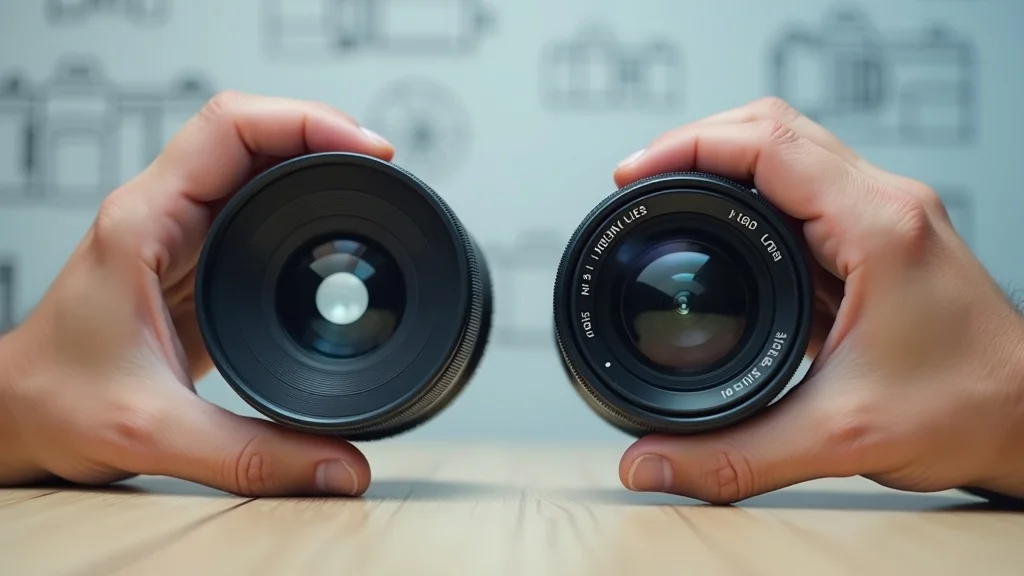
When comparing camera lenses, several specifications directly affect both performance and practical use. Focal length (measured in millimeters, mm) determines the field of view; shorter lengths (like 16mm) mean wider scenes, while longer (like 200mm) bring distant subjects closer. Aperture (e.g., f/1.8, f/4) controls how much light the lens allows in and influences the depth of field.
Other important specs include autofocus systems (quiet, fast, or manual-only), image stabilization (reduces blur in low light), and the lens mount (which must match your camera body). Specialty coatings, weather sealing, and minimum focusing distances also figure into your decision, as these affect clarity, durability, and flexibility. Taking time to understand and compare these features will help you match a lens precisely to your needs.
Key Criteria: How to Choose a Camera Lens for Your Needs
Matching Camera Lens Focal Length to Subject Matter
Selecting the right lens starts with matching focal length to your intended subject matter. For landscapes, a short focal length like 16–35mm gives wide coverage and a dramatic sense of space. For portrait photo work, mid-range focal lengths between 50mm and 85mm provide flattering compression and perspective for natural-looking results.
If you frequently shoot sports, birds, or distant wildlife, a telephoto lens in the 70–300mm or longer range will get you up close without disturbing the scene. Meanwhile, macro lenses with specialized optical elements are best for close-ups of flowers, insects, or intricate textures. Knowing the focal length best suited to your primary subjects is foundational in the decision-making process—don’t overlook this essential match.
Aperture and Low-Light Performance in Photo Lenses
Aperture—denoted by f-stop, such as f/1.4, f/2.8, or f/5.6—determines how much light can pass through your lens. Lenses with a larger maximum aperture (e.g., f/1.8 or f/2.8) are crucial for shooting in low-light conditions, helping you avoid blur without raising ISO levels to noisy extremes.
Large apertures also give more artistic control by enabling shallow depth of field, creating that desirable blurred background in portraits and subject-focused compositions. On the flip side, lenses with smaller maximum apertures are often lighter, more affordable, and still deliver excellent results in well-lit situations. Factor in aperture alongside focal length, as the right combination is essential for genres like event photography, indoor sports, or night-time cityscapes.
Compatibility: Ensuring Camera Lenses Fit Your Camera System
Not all camera lenses fit all cameras—a fact that can easily trip up beginners. Lens mounts are manufacturer-specific, so a Canon EF lens won’t fit a Nikon F-mount body, and Sony E-mount lenses aren’t compatible with Fujifilm X-mount systems without adapters.
For DSLR cameras, pay special attention to sensor size: full-frame (FX) and crop sensor (APS-C/DX) lenses and bodies aren’t always cross-compatible. The same holds for mirrorless camera options, which may employ entirely different mount systems. Always double-check compatibility and consider if you’ll be upgrading bodies in the future to avoid making costly mistakes when building your lens collection.
Exploring Focal Length: An In-Depth Guide
What is Focal Length in Camera Lenses?
Focal length is the defining measurement that impacts what your lens “sees.” It’s the distance (in millimeters) from where light enters the lens to the sensor when focused at infinity. Short focal lengths (like 14mm, 24mm) produce wide fields of view, great for capturing the grandeur of landscapes, architecture, or a big group photo. Meanwhile, telephoto focal lengths (100mm and up) provide tight framing for wildlife, sports, or distant details.
Understanding focal length helps you predict how much of the scene will be in frame and how your subject will be rendered in relation to their environment. The range of focal lengths available in your kit determines your ability to pivot between varying subjects and photographic styles, so choose wisely based on your favorite genres and shooting environments.
How Focal Length Influences Perspective and Composition
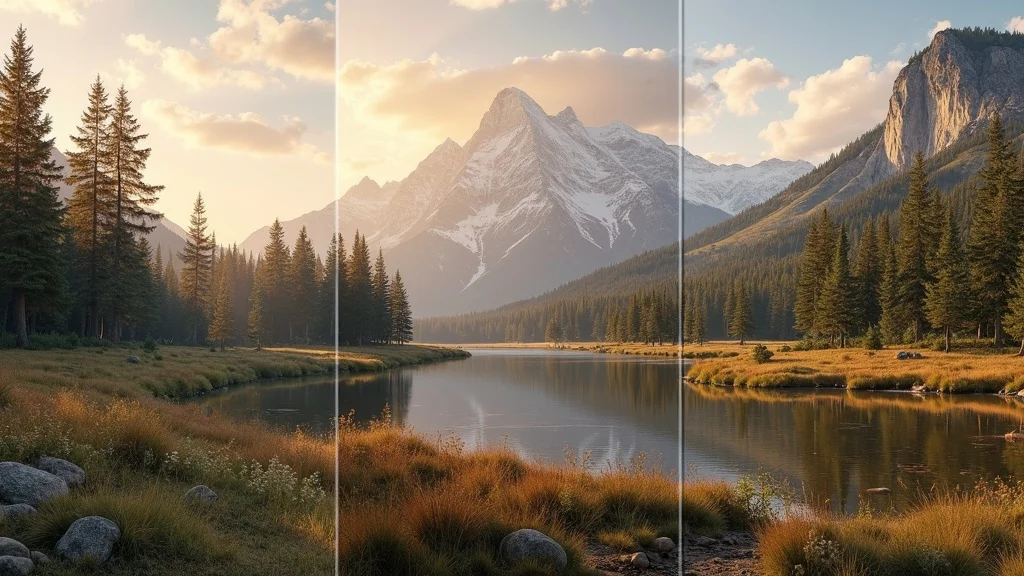
Your choice of focal length not only sets the field of view but also influences the visual relationship between subjects and the background. Wide-angle lenses exaggerate space, pulling elements apart for a sense of depth and openness—perfect for immersive travel or environmental shots. Conversely, telephoto lenses compress space, making distant objects appear closer together and amplifying background blur. This characteristic is especially valuable in portrait photos and wildlife photography, ensuring the subject stands out.
As you gain experience, experimenting with various focal lengths teaches you to “see” in different ways—training your eye to anticipate perspective, distortion, and compositional possibilities. This hands-on familiarity is a big part of becoming a creative, flexible photographer who selects gear for impact, not just convenience.
| Focal Length (mm) | Lens Type | Best Use/Photography Applications |
|---|---|---|
| 10–24mm | Ultra-Wide Angle Lens | Landscapes, architecture, real estate |
| 24–35mm | Wide Angle Lens | Street, travel, group portraits |
| 50mm | Standard/Prime Lens | Portraits, everyday photography, documentary |
| 85–105mm | Portrait Prime/Short Telephoto | Portraits, events, studio photography |
| 135–300mm+ | Telephoto Lens | Sports, wildlife, distant action |
Zoom Lens vs. Prime Lens: How to Choose Based on Versatility
Pros and Cons of Prime Lenses
Prime lenses, with their single fixed focal length, are prized for optical excellence, wide maximum apertures, and compact size. Their design often results in sharper images and gorgeous background separation (bokeh), with classic choices like the 50mm or 85mm prime beloved for portraits and low-light work.
However, primes lack versatility: if your subject moves or you need a different composition, you’ll have to “zoom with your feet.” For photographers who crave flexibility or routinely switch between different subjects and angles, this limitation may be frustrating. Still, most professionals and enthusiasts keep at least one fast prime in their kit for its unbeatable image quality and character.
Pros and Cons of Zoom Lenses
Zoom lenses enable you to adjust your framing quickly without physically moving, covering a range of focal lengths in just one piece of glass. This makes zooms ideal for fast-paced shooting environments like weddings, sports, or wildlife excursions, where opportunities come and go in an instant. Modern zoom lenses, especially mid-range and telephoto zooms, offer impressive sharpness, autofocus speed, and weather sealing.
Their flexibility does come at a cost—literally and figuratively. Zooms are often larger, heavier, and more expensive than their prime lens counterparts. Additionally, they may have smaller maximum apertures (f/4 or f/5.6) compared to fast primes, making them less effective in dim light or for artistic shallow focus images. Thoroughly assess what matters most—speed, weight, cost, and creative control—before choosing between these popular options.
Choosing Between Prime and Zoom for Different Subject Matter
If you often photograph static subjects, love working with available light, or appreciate the discipline that primes encourage, a fixed lens may be your best creative companion. On the other hand, if versatility and convenience are critical—such as for travel, events, or unpredictable conditions—a zoom lens ensures you’re ready for every moment, from wide vistas to intimate details.
Seasoned photographers frequently build a mix of primes and zooms into their systems, evolving their lens kit as their skills and subject matter mature. No matter your level, matching your lens to your shooting priorities is a smart step toward regret-free investment.
Specialized Camera Lenses: Picking for Portraits, Sports, and More
Best Photo Lens for Portrait Photo and Human Subjects
For stunning portrait photos, nothing beats a high-quality prime lens in the 50–85mm range with a fast maximum aperture (e.g., f/1.4 or f/1.8). These lenses provide a natural-looking perspective and separation, rendering skin tones beautifully while softening backgrounds for that professional look.
Portrait lenses are also versatile performers for weddings, family shots, and even casual street photography, making them cornerstone investments for many photographers. Look for models renowned for sharpness, bokeh quality, and accurate autofocus to maximize your creative results.

Top Telephoto Lenses for Action and Wildlife
Capturing dynamic action—whether it’s a soccer match, wild animals in their element, or fast-paced urban scenes—calls for a telephoto lens. Lenses in the 70–300mm range deliver powerful reach while maintaining portability, whereas super-telephoto options (400mm, 600mm, and beyond) are the gold standard for serious wildlife and sports photographers.
Essential features in this category include fast autofocus, image stabilization, and weatherproofing. Telephoto lenses let you keep a respectful distance from your subjects, ensuring you capture decisive moments with clarity and impact. Though they can be heavy and costly, their specialized capabilities expand your photographic horizons immeasurably.
Angle Lenses for Landscape and Architectural Photography
When capturing grand vistas, cityscapes, or complex interiors, angle lenses—specifically wide and ultra-wide variants—shine. Focal lengths from 10mm to 35mm capture more of your scene in a single shot, adding drama through dynamic perspective and accentuating lines, shapes, and flow.
Wide angles are also essential in real estate and travel photography, where maximizing available space and immersing the viewer in the environment is key. For architectural work, look for specialized angle lenses with minimal distortion and tilt-shift capabilities for straightening lines and eliminating perspective issues.
Budgeting: How to Choose a Camera Lens Without Breaking the Bank
Weighing Price, Quality, and Longevity in Camera Lenses
The intersection of price, quality, and longevity is where many photographers find themselves at a crossroads. While it’s tempting to buy the least expensive lens available, investing in glass is often more valuable than upgrading your camera body. High-quality lenses retain their value and deliver strong performance, even as your equipment ages or you upgrade your gear.
One strategy is to start with an affordable all-purpose zoom or a fast prime lens, then gradually add specialty lenses as your needs and skills evolve. Always check build quality, warranty options, and user reviews—sometimes a slightly older professional-grade lens is a smarter buy than a brand-new budget model. In the end, choose your lens with an eye toward the photography you want to grow into, and prioritize optical performance over unnecessary features or hype.
“Invest in lenses, not just the camera body. A great lens outlives many cameras.” – Renowned Photographer
Mistakes to Avoid When Selecting Camera Lenses
- Neglecting compatibility with your camera body
- Choosing based solely on price
- Overlooking specialty lenses for your subject matter
- Ignoring focal length and aperture needs
Expert Tips: How to Choose a Camera Lens Like a Pro
- Prioritize your main photography genres
- Test different lenses whenever possible
- Read reviews on camera lenses and compare user feedback
- Consider future upgrades
Visual Demo: How to Choose a Camera Lens (Video Guide)
People Also Ask: Your Camera Lens Questions Answered
[[paa_question_1]]
Answer: [[solution to paa_question_1]]
[[paa_question_2]]
Answer: [[solution to paa_question_2]]
[[paa_question_3]]
Answer: [[solution to paa_question_3]]
FAQs: How to Choose a Camera Lens
How does aperture affect my camera lens choice?
Aperture affects both how much light your camera lens lets in and the amount of background blur (depth of field) you can achieve. A wide aperture (low f-number like f/1.8) is best for low-light situations and creating artistic background blur, making it a key consideration for portrait and event photographers.
Do camera lenses from different brands work together?
Typically, camera lenses are made to fit specific camera mounts and don’t work across brands without special adapters. Even with adapters, you might lose autofocus or other features. Always verify compatibility with your camera body before purchasing a new lens.
Should I start with a zoom lens or prime lens as a beginner?
Starting with a zoom lens offers flexibility and covers a range of focal lengths, which is helpful for learning and adapting to different subjects. However, many beginners later add a prime lens for improved image quality and to experiment with wide apertures. Both approaches are valid, and your choice should match the type of photography you’re most interested in.
Are expensive camera lenses always better?
Expensive lenses often deliver superior build quality, optics, and features, but that doesn’t mean they’re always the right choice. Some budget-conscious options provide excellent performance for specific needs. Consider your main genres, desired image quality, and budget before investing—sometimes the most expensive isn’t the most appropriate for your style.
Key Takeaways: How to Choose a Camera Lens
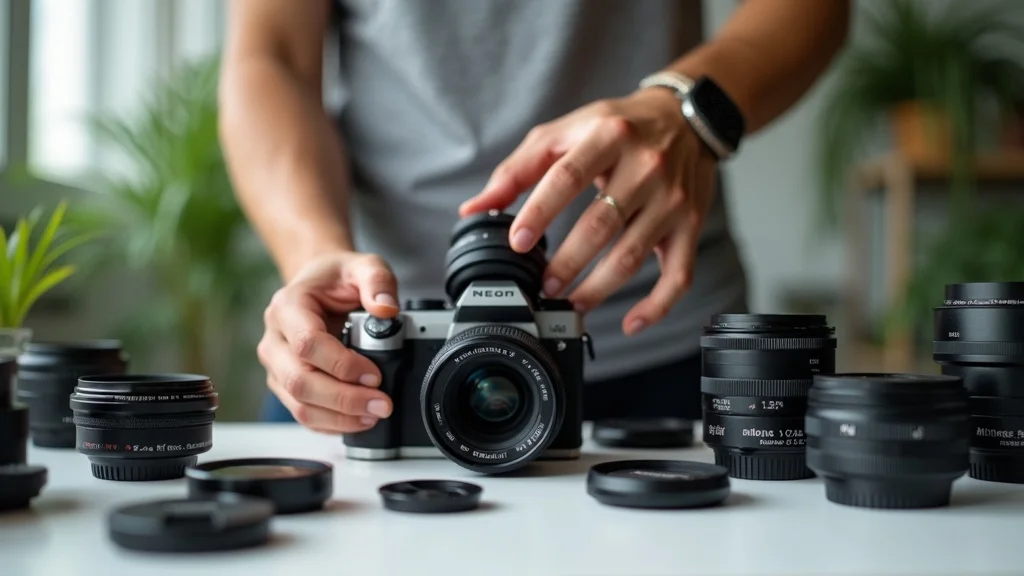
- Identify your primary photography needs before choosing camera lenses
- Balance focal length and aperture requirements for subject matter
- Weigh budget and quality factors equally
- Test and research camera lenses before committing
Final Thoughts on How to Choose a Camera Lens Without Regret
Remember: a great camera lens shapes your artistic vision and results. Choose carefully to create with confidence—never regret your lens investment again!
Your journey to mastering lens selection is just the beginning of capturing extraordinary images. For those eager to expand their knowledge and discover advanced techniques, LENSDUDE offers a wealth of inspiration and strategic insights for photographers at every level. Dive into their expert articles to uncover new perspectives, creative challenges, and the latest trends in photography gear. Whether you’re refining your craft or seeking the next breakthrough, exploring these resources will empower you to elevate your skills and see the world through a sharper, more creative lens.
Ready to Capture Better Images? Browse Our Top-Rated Camera Lenses Now
Explore our expert-curated selection of the best camera lenses to unlock your creativity and elevate every shot. Find the perfect lens for your style and budget today!
Sources
- B&H Photo – How to Choose Your Next Lens
- Digital Camera World – Best Camera Lenses
- PhotographyTalk – How to Choose a Camera Lens
- ExpertPhotography – Lens Buying Guide
Selecting the right camera lens is pivotal in shaping your photographic vision and ensuring your equipment aligns with your creative goals. To deepen your understanding and make informed decisions, consider exploring the following resources:
-
“How to Choose the Right Camera Lens”
-
“The Beginner’s Guide to Choosing a Camera Lens”
These guides offer comprehensive insights into lens types, focal lengths, and practical considerations, empowering you to select lenses that best suit your photographic endeavors.