Have you ever wondered if upgrading to a full-frame camera truly transforms your photography—or if APS-C cameras and lenses quietly hold their own in the real world? The debate around sensor size is more complex than ever, with passionate fans on both sides. Whether you chase jaw-dropping image quality or crave lightweight gear for every adventure, understanding how sensor size affects your lenses is key to elevating your craft. In this article, we’ll challenge common beliefs about full frame vs APS-C lenses and equip you to make smarter choices for your photography style, budget, and creative goals.
Opening Inquiry: Rethinking Full Frame vs APS-C Lenses
When it comes to full frame vs APS-C lenses, most photographers face a tempting choice: chase after the prestige of full-frame sensors, or embrace the flexibility and affordability of APS-C cameras. But is a bigger sensor always better? Does the size difference between a full frame sensor and an APS-C sensor meaningfully shape the images you create, or has technology evened the playing field? This inquiry invites you to look past the hype and explore the practical, technical, and artistic implications of these two sensor systems—no matter your experience level or photographic hopes.
Why Does Sensor Size Matter in Full Frame vs APS-C Lenses?
The heart of the full frame vs APS-C lenses debate is sensor size—a factor that quietly governs everything from image quality to how a lens “sees” the world. Full frame sensors (derived from traditional 35mm film format) capture more light, allowing for enhanced dynamic range, better low-light performance, and more pronounced depth of field options. By contrast, APS-C sensors are smaller, introducing a crop factor (typically 1.5x or 1.6x), which in turn affects focal length, framing, and even lens compatibility. These differences shape your gear investment, photographic style, and what’s possible—whether shooting sweeping landscapes or intimate portraits.
Challenging Photography Norms: Is Bigger Always Better with Frame Sensors?
The logic that “bigger is always better” dominates online photography forums, but reality is more nuanced. Full frame sensors shine in low light and offer a shallower depth of field, but APS-C technology has closed the gap considerably. Meanwhile, APS-C systems are typically smaller and lighter, with more affordable lens options for hobbyists and advanced photo enthusiasts alike. Ultimately, the full frame vs APS-C lenses decision is less about sensor bragging rights, and more about how you intend to use your photo system. Are you a wildlife photographer in need of extra reach on a tight budget? Or a portrait artist competing with the best for creamy bokeh and optimal image quality? Your answer shapes your best choice—today and as technology evolves.
For photographers looking to dive deeper into the technical nuances of lens selection and compatibility, exploring comprehensive guides on camera gear can provide valuable clarity. You’ll find detailed breakdowns and practical tips in resources like LENSDUDE’s expert articles on lens systems and camera bodies, which can help you make more informed decisions as you build your kit.
What You’ll Learn: Key Differences in Full Frame vs APS-C Lenses
- How sensor size influences image quality and creative options
- Practical implications for everyday photographers
- Cost and gear considerations between full frame and APS-C
- The nuanced effects on popular photography styles
Understanding Sensor Size: Full Frame Sensors vs APS-C Sensors
What Defines a Full Frame Sensor and APS-C Sensor?
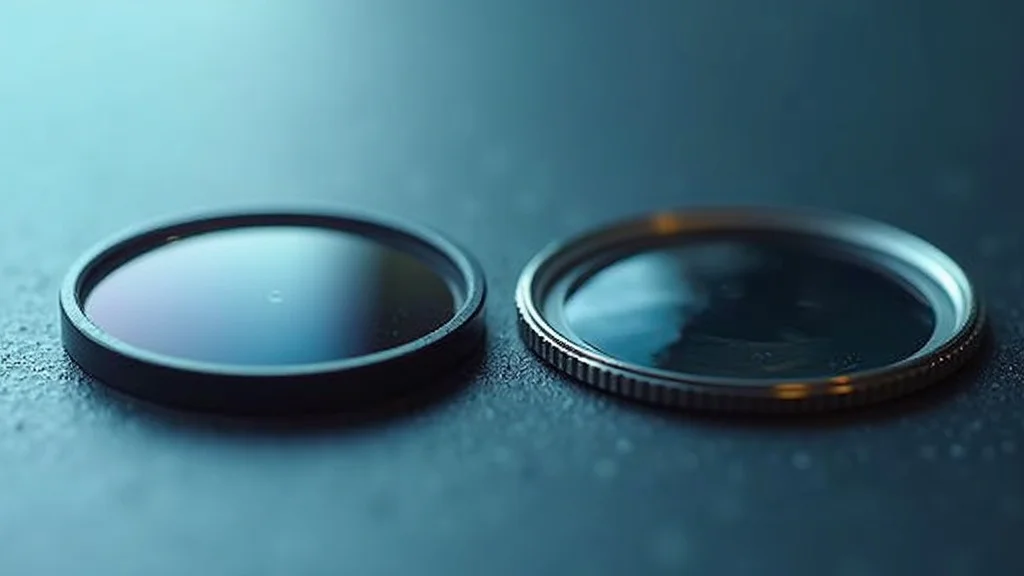
A full frame sensor mirrors the classic 35mm film format at 36x24mm, long regarded as the professional standard for film and now digital photography. APS-C sensors are more compact, typically around 24x16mm, enabling lighter and less expensive frame cameras and lenses. The principal trade-off is in surface area: a full frame sensor collects more light per photo, often leading to superior dynamic range and lower noise at high ISO settings, prized for night, landscape, or studio work. Understanding this size difference is the first step in choosing the right camera bodies and lenses for your creative needs, whether you’re invested in an advanced photo system or just getting started.
Sensor Sizes Explained: Dimensions and Crop Factor
Sensor size touches every aspect of the frame lens experience. The “crop factor” reflects how much smaller the sensor is compared to full frame. For APS-C, this is typically 1.5x (Nikon, Sony) or 1.6x (Canon), meaning a 50mm lens acts like a 75mm or 80mm in terms of field of view. This is impactful for depth of field—it’s harder to get background blur on APS-C—and for reach, which benefits wildlife photographers needing more zoom. Knowing your sensor size and crop factor demystifies why two photographers with the same lens can produce very different images and helps explain cost, lens compatibility, and image quality differences between systems.
Table: Comparing Sensor Size, Crop Factor, and Resolution
| Sensor Type | Size (mm) | Crop Factor | Typical Resolution |
|---|---|---|---|
| Full Frame | 36×24 | 1.0 | 20-60MP |
| APS-C | ~24×16 | 1.5-1.6 | 16-32MP |
Full Frame vs APS-C Lenses: Key Technical Differences
How Sensor Size Impacts Frame Lenses
The choice between full frame and APS-C lenses is far from cosmetic. Lenses are designed to project an image circle that matches the sensor size of the camera body—full frame lenses for large sensors, APS-C for smaller ones. Using a full frame lens on an APS-C body typically results in a “zoomed-in” effect due to the crop factor, with only the central portion of the lens’s image circle captured. In contrast, using APS-C lenses on a full frame camera risks vignetting, where dark corners appear since the lens’s image circle is too small. These technical realities guide which lenses you buy and how they perform during real-world shooting.
Frame Camera Compatibility: Flange Distance and Lens Mounts
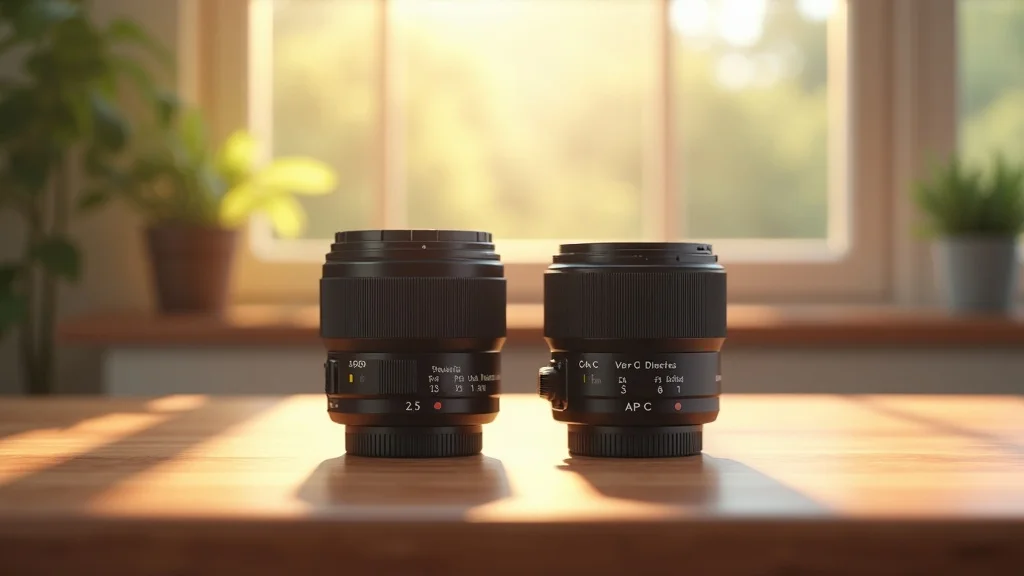
Compatibility between frame cameras and lenses involves more than just the glass; the “flange distance” (the space between the lens mount and sensor) can affect whether a lens physically fits or even focuses correctly. Full frame systems may accommodate both full frame lenses and APS-C options, but not always the other way around. Mirrorless and DSLR cameras also introduce unique mount types and adapters, adding another layer to your decision. If you’re considering a future upgrade or switching systems, think carefully about lens compatibility so you don’t limit your future gear growth.
Cameras and Lenses: Image Circle and Vignetting
The “image circle” is a lens’s projection zone. Full frame lenses create a large enough image circle to cover the full frame sensor, while APS-C lenses produce a smaller circle designed to cover smaller sensors. If you attach an APS-C lens to a full frame camera body, the sensor’s corners get less coverage, producing vignetting—undesirable dark corners or severe cropping to maintain usable imagery. Being aware of this helps avoid disappointment when building or expanding your photography kit and ensures you get the best possible image quality from your investment.
Image Quality: Full Frame vs APS-C Lenses Performance
Dynamic Range and Low Light: Is Full Frame Really Superior?
Full frame sensors are celebrated for their superior dynamic range and outstanding low light performance. The increased surface area allows for larger pixels, which collect more light and better preserve subtle details in shadow and highlight regions. This translates to cleaner, richer files at high ISO settings—a major boon for event or night photography. However, as sensor technology advances, state-of-the-art APS-C systems have started closing this performance gap, offering impressive image quality even in less-than-ideal light conditions. The tide is shifting: while “full frame” still leads, APS-C is now a serious contender.
“Full frame sensors generally excel in low light and dynamic range, but APS-C has narrowed the gap — especially in recent models.”
Sharpness, Noise, and Color Accuracy: Expert Perspective
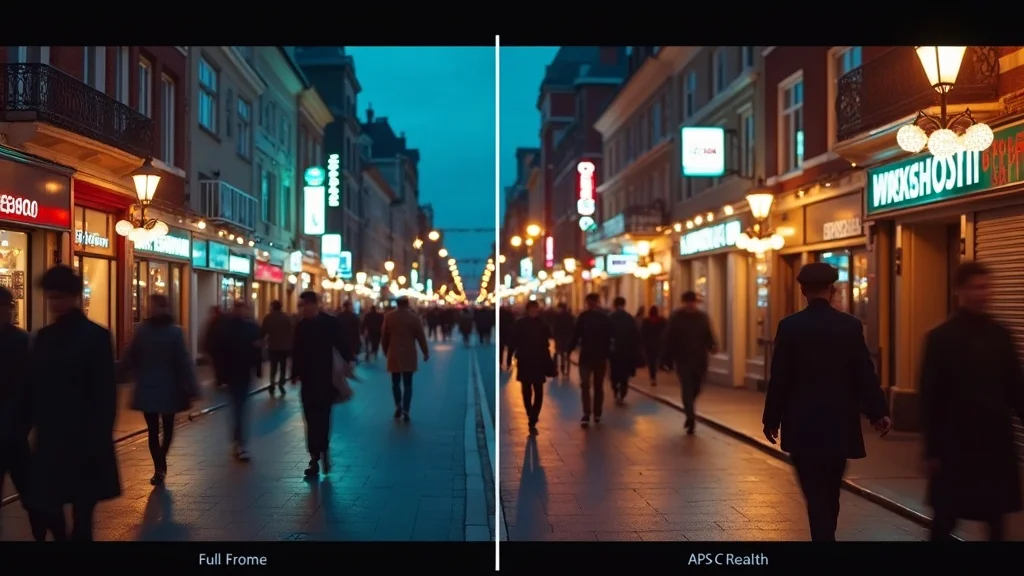
When it comes to fine details, sharpness is often dictated by lens quality as much as sensor size. However, full frame cameras tend to offer better noise performance at higher ISOs, meaning finer details are not smudged out by grain or color speckles. Color accuracy gains a subtle boost as well, especially in challenging light conditions like golden hour or city lights. APS-C cameras, however, have improved considerably, and for most practical uses outside pixel-peeping or large prints, differences are harder to distinguish. The bottom line: image quality is excellent on both systems, especially when paired with top-tier lenses.
Real-World Image Quality Tests (Include side-by-side images if possible)
Side-by-side image comparisons—shooting the same scene with full frame and APS-C setups—reveal real-world differences. In low light, full frame images generally show less noise and greater ability to recover shadows and highlights. In bright conditions, the gap shrinks significantly. For most social media sharing or moderate prints, APS-C systems perform admirably well; only at extreme enlargements or highly technical workflows does full frame pull clearly ahead. The practical takeaway? Evaluate how (and where) you share your images, not just the specs.
Depth of Field: Artistic Potential with Full Frame vs APS-C Lenses
Depth of Field Differences: Bokeh, Portraiture, and Creative Control
Many photographers covet the creamy “bokeh” achievable with full frame sensors and fast prime lenses. Because the sensor is physically larger, for the same composition and aperture, full frame systems produce a noticeably shallower depth of field—making subjects pop against beautifully blurred backgrounds. This is especially advantageous for portrait or wedding photographers seeking strong subject isolation. APS-C lenses, while capable, require faster (often pricier) lenses or closer shooting distances to achieve a similar effect. If creative background blur is a central part of your work, the “frame sensor advantage” of full frame remains appealing.

List: Common Use Cases Where Sensor Size Impacts Aesthetics
- Portraits: Full frame maximizes background blur; APS-C requires longer lenses or wider apertures.
- Landscapes: APS-C offers effective “zoom” for distant scenes, while full frame excels at capturing wide vistas.
- Wildlife: APS-C’s crop factor gives extra telephoto reach using standard lenses—favored by wildlife photographers.
- Street Photography: APS-C’s smaller and lighter kits suit on-the-go shooting and discretion.
- Travel: Size and weight of APS-C gear make it ideal for all-day, multi-location adventures.
Crop Factor Considerations in Daily Shooting

How Crop Factor Affects Focal Length and Framing
The crop factor has a profound effect on how lenses behave. A standard 50mm lens on a full frame camera provides a “normal” field of view, close to what the human eye sees. On an APS-C camera, the same lens effectively delivers a 75mm or 80mm field of view due to the smaller sensor. This makes wide angles harder to achieve on APS-C without dedicated ultra-wide lenses, but provides a free “boost” for telephoto and wildlife work. Understanding your photo system’s crop factor ensures you select the right lenses for your shooting style and avoid surprise composition changes.
Sensor Size and Field of View: Framing Your Shots
Field of view is the area captured in each shot. Because APS-C sensors crop the image more tightly, you see less of the scene with the same lens, mimicking a longer focal length. For urban, architecture, or landscape shooters needing expansive images, this can be limiting unless you invest in wider lenses. For action, sports, or wildlife photographers, this “extra reach” is an advantage, squeezing more subject into the same frame without extra investment. When switching between full frame and APS-C lenses, always recalculate your framing and anticipated field of view—missteps here can lead to accidentally cropping out key scene elements.
Practical Impacts: Portability, Cost, and Lens Selection
Frame Camera System Weight and Portability: APS-C vs Full Frame
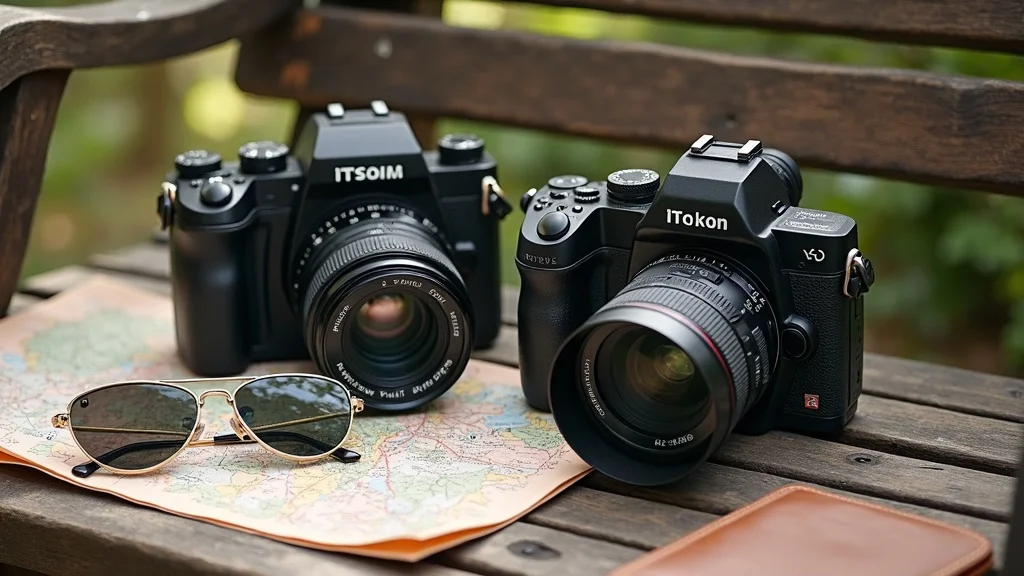
Beyond image quality, real-world usability matters. APS-C systems are almost always smaller and lighter than full frame due to smaller sensors and more compact camera bodies and lenses. For travel, hiking, or street photography, the reduced bulk can be a game-changer—your camera is simply more likely to come with you. Conversely, full frame kits—notably with pro-grade frame lenses—can be hefty, making them less appealing for those seeking portability over pixel peeping. If you’re on the go or value inconspicuous shooting, APS-C brings a practical, comfort-driven advantage to the table.
Full Frame Lenses vs APS-C Lenses: Price and Investment
On average, full frame cameras demand higher upfront costs—both for the camera body and the matched frame lenses. APS-C systems offer a wider range of affordable lenses and kits. While advancement in sensor technology has blurred some of the image quality boundaries, the price differential remains clear: full frame is for those prioritizing maximum quality, performance, and future-proofing, while APS-C suits those balancing cost, convenience, and “good enough” output. Consider your intent: are you building a lifelong kit, or just starting your creative journey?
List: Popular Lenses and Availability Across Systems
- Nifty Fifty (50mm f/1.8): Available for both full frame and APS-C; provides “normal” or short telephoto views respectively.
- Kit Zooms (18-55mm for APS-C, 24-70mm for full frame): Versatile options to match your sensor format and style.
- Ultra Wide-Angles: Full frame systems offer premium options (e.g., 16-35mm), whereas APS-C users should seek 10-20mm or 11-16mm lenses to compensate for crop.
- Telephoto Zooms (70-200mm, 100-400mm): Wildlife enthusiasts often favor APS-C for the extra “reach” with lighter lens setups.
- Primes: Both systems are well-supported with fast aperture, portrait, and macro primes, though full frame glass is generally larger and costlier.
Low Light and Dynamic Range in Real-World Scenarios
Shooting in Variable Light Conditions: Comparing Full Frame and APS-C
Low light environments—from moody street scenes to candlelit receptions—remain a critical battleground for the full frame vs APS-C lenses debate. While full frame sensors still deliver cleaner, richer results at high ISOs, especially in challenging light conditions, APS-C cameras have become increasingly competitive. Many modern APS-C models now incorporate advanced noise reduction algorithms and improved color fidelity, narrowing the real-world gap. For those who shoot primarily in good light or can leverage flash and tripods, APS-C suffices; for those pushing creative limits after sunset, full frame enjoys a modest but meaningful lead.
Dynamic Range and Sensor Size: Landscape and Night Photography Insights
Dynamic range describes a sensor’s ability to capture shadow and highlight details in a single exposure. Full frame cameras tend to retain more information in both extremes, benefiting landscape shooters facing high-contrast scenes or anyone needing latitude in post-processing. APS-C sensors have improved their dynamic range significantly, narrowing the gap and providing solid performance for most hobbyists and even many professionals. For situations demanding the absolute limit in highlight and shadow recovery—think dramatic landscapes at sunrise or cityscapes at twilight—full frame maintains a slight but important edge.
Watch How Sensor Size Changes Your Photography (embedded video/YouTube recommendation)
For a hands-on demonstration, check out this dynamic split-screen video comparison showcasing focal length effects, crop factor, and depth of field differences in real scenes. Visual overlays clarify how sensor size influences your creative possibilities—see live tests from park portraits to studio setups and low-light environments. Watch on YouTube for a modern, immersive breakdown of full frame vs APS-C lenses in action!
Opinion: Full Frame vs APS-C Lenses — Author’s Perspective
“In my experience, the choice between full frame and APS-C lenses is as much about style, budget, and goals as it is about specs and tests.”
Evaluating the Real-World Value for Photography Enthusiasts
Debating full frame vs APS-C lenses often turns into a technical arms race. But as someone who has used—and loved—both, I believe the best system is the one that aligns with your lifestyle, creative aspirations, and willingness to carry a camera everywhere. Portability, cost, and lens selection matter just as much as dynamic range or pixel count. APS-C systems are now good enough for nearly any serious hobbyist, and even some pros, while full frame still delivers the ultimate performance if you can justify the investment. Don’t let the specs alone make your decision—think about what, where, and how you shoot most often.
People Also Ask: Your Most Pressing Questions About Full Frame vs APS-C Lenses
Which is better, full-frame or APS-C?
Both full-frame and APS-C serve different needs. Full frames often excel in image quality, low light, and creative depth of field, while APS-C offers affordability, portability, and a longer effective reach for telephoto work.
What are the disadvantages of APS-C?
APS-C sensors can have higher noise at high ISOs, reduced dynamic range, and a more limited selection of high-end lenses compared to full frame. However, these gaps are narrowing with new tech.
What happens if I use an APS-C lens on full-frame?
Mounting an APS-C lens on a full-frame camera often results in vignetting or the camera automatically cropping the image to APS-C size, reducing sensor advantage.
Is it worth upgrading from APS-C to full-frame?
Upgrading is worthwhile if you demand the best image quality, shoot often in challenging light, or require ultra-shallow depth of field. Otherwise, APS-C can more than meet most needs for less money and weight.
FAQs About Full Frame vs APS-C Lenses and Sensor Sizes
Do sensor sizes affect lens compatibility across brands?
Yes, sensor sizes—and corresponding lens mounts—determine which lenses can be used on which camera bodies. Some brands offer adapters, but using the wrong lens or system can impact autofocus, image circle coverage, and even mounting safety. Always check compatibility before buying lenses across brands.
How does sensor size impact professional vs hobbyist use?
Professionals demanding top image quality, especially when printing large or post-processing heavily, often favor full frame. Hobbyists and most advanced amateurs may find APS-C hits the sweet spot for portability, affordability, and more than sufficient performance for daily or travel photography.
Are there genres where APS-C is preferable to full frame?
Yes! Wildlife and sports photographers often prefer APS-C for the added reach provided by the crop factor, making telephoto shots easier without massive, expensive glass. Street photographers also love APS-C’s compactness and discretion for candid shooting.
Key Takeaways: Making the Right Choice for Your Photography Needs
- Full frame vs APS-C lenses have unique trade-offs; neither is ‘best’ for all.
- Sensor size impacts image quality, camera size, and cost.
- Understanding crop factor and lens compatibility is essential for smart camera investments.
Conclusion: The Ongoing Debate of Full Frame vs APS-C Lenses
Final Thoughts on Full Frame vs APS-C Lenses: Prioritize Your Style and Needs
Your ideal system is the one that fits your budget, ambitions, and favorite photography genres—don’t get caught up in the numbers alone.
Ready to make your decision? Discover which sensor size and lens system will elevate your creative vision—start exploring reviews and sample images today!
If you’re eager to continue your journey into the world of photography gear and creative techniques, there’s a wealth of inspiration and advanced advice waiting for you. The LENSDUDE platform offers in-depth explorations of extraordinary lenses, hands-on reviews, and expert strategies to help you push your craft further. Whether you’re refining your kit or seeking new ways to capture the extraordinary, exploring their resources can unlock fresh perspectives and next-level skills for your photography adventures.
Sources
- https://www.dpreview.com/articles/7426734451/full-frame-camera-vs-aps-c
- https://www.digitaltrends.com/photography/full-frame-vs-aps-c/
- https://photographylife.com/full-frame-vs-aps-c-cameras
- https://www.bhphotovideo.com/explora/photography/buying-guide/full-frame-vs-crop-sensor
When exploring the differences between full-frame and APS-C lenses, it’s essential to consider how sensor size influences lens performance and compatibility. A comprehensive resource that delves into these aspects is the article “Full Frame vs. APS-C.” This piece examines how sensor dimensions affect image quality, lens design, and the resulting field of view, providing valuable insights for photographers evaluating their equipment choices. Additionally, the article “Full-frame sensors vs APS-C: what are the differences?” offers a detailed comparison of the two sensor types. It discusses the pros and cons of each, including considerations like image quality, camera size, and lens compatibility, aiding photographers in making informed decisions based on their specific needs and preferences. For those seeking a deeper understanding of how sensor size impacts lens performance and overall photography experience, these resources provide comprehensive analyses and practical advice.