Did you know that nearly 85% of beginner photographers underestimate the impact of the right lens on their photos—often missing out on the creative possibilities that even a basic camera lens offers? Whether you just picked up your first DSLR or mirrorless camera, understanding your lens is the key to capturing stunning images from day one. In this camera lens guide for beginners, we’ll unravel the mysteries of focal length, demystify lens terminology, and empower you to confidently select the perfect photo lens for your creative goals.
Unlocking Photography: Why Every Beginner Needs a Camera Lens Guide
Embarking on your photography journey can feel overwhelming, especially when faced with shelves full of unfamiliar camera lenses. The lens you choose can dramatically transform your images, affect your learning curve, and even influence your shooting style. This is why a clear and practical camera lens guide for beginners is invaluable—it simplifies complex terms, helps you understand what makes a lens tick, and steers you toward making smart decisions. The focal length, maximum aperture, and specific type of photo you plan to shoot all factor into finding your ideal match. By grasping foundational lens concepts, you unlock greater flexibility and creative potential with every shot.
Most entry-level cameras come bundled with a kit lens, but to go beyond the basics, you’ll need to know how features like depth of field, field of view, and image quality differ across prime and zoom lenses, telephoto lens options, and more. This guide arms you with firsthand knowledge used by professionals, making your lens choices less about guesswork and more about deliberate creative control.
What You’ll Learn in This Camera Lens Guide for Beginners
- What camera lens terminology really means
- How focal length shapes your photos
- Which types of camera lenses—zoom lens, prime lens, macro lens—fit your style
- How to select your first photo lens for various subjects
- Practical tips to get sharp images, even as a beginner
Camera Lenses: The Building Blocks of Every Shot
The true power behind every memorable photograph often lies not in the camera itself but in the lens attached to it. In fact, your choice of camera lens can have a greater influence on image quality, depth of field, and even your capacity to tell visual stories than the camera body. For beginners, exploring camera lenses—from kit lenses to specialty varieties—opens the door to specialized styles such as landscape photography, portrait photography, and wildlife photography. Understanding the fundamental roles of these photo lenses is crucial, as they act as the eye of your camera, dictating everything from the amount of light hitting your sensor to the sharpness and perspective of every shot.
As a beginner, you might wonder how professionals achieve silky smooth backgrounds in portraits or capture sweeping vistas. The secret usually lies in matching the right lens to the desired effect. Every lens, from a compact prime lens with a fixed focal length to a versatile zoom lens, offers distinct creative benefits. Investing time to understand the basics of focal length, maximum aperture, and overall lens characteristics is the most practical first step you can take toward creative mastery.
As you explore the differences between prime and zoom lenses, you may find it helpful to dive deeper into how each lens type impacts your photography style and results. For a more detailed breakdown of lens characteristics and practical examples, check out the in-depth resources available at LENSDUDE – Focus on the Extraordinary.
Understanding Focal Length: The Heart of a Camera Lens Guide for Beginners
“Focal length defines both your perspective and your creative boundaries in photography.” – Renowned Photographer
The focal length of your camera lens determines more than just how close your subject appears; it shapes your entire image, including what fits into the frame and how much background is visible. Shorter focal lengths, such as 18mm or 24mm, create a wide field of view ideal for landscape photography or architectural shots. On the other hand, a longer focal length—think 85mm, 200mm, or even a telephoto lens reaching 400mm—lets you zoom in on distant subjects or beautifully compress backgrounds for dramatic portraits and events.
As you build your photography skills, recognizing how field of view, depth of field, and image compression change with various focal lengths will help you select the best photo lens for each creative scenario. This knowledge allows you to match your lens choice to different types of photography, from the immersive perspective of a wide angle lens to the precise close-up power of a macro lens. Mastering focal length is, without doubt, essential to progressing from beginner shots to standout imagery.
Different Types of Camera Lenses for Beginners
Zoom Lenses vs. Prime Lenses: Which Photo Lens Should You Choose?
- Zoom lens: Versatile, variable focal lengths
- Prime lens: Fixed focal length, superior sharpness
Choosing between a zoom lens and a prime lens is often one of the first crossroads for beginners. Zoom lenses are much loved for their versatility and greater flexibility, offering variable focal lengths in a single package—think of an 18-55mm kit lens or a 70-200mm telephoto lens. These allow you to quickly frame scenes without swapping gear, making them ideal for learning composition or when you don’t want to miss a shot as you adapt to changing environments.
Prime lenses, on the other hand, have a fixed focal length, like 35mm or 50mm, but often provide superior sharpness, more vibrant color rendition, and wider maximum apertures (such as f/1.8 or f/1.4). These lenses excel in low light, produce creamy background blur, and are a staple for beautiful portrait photography and crisp street shots. Many seasoned photographers recommend learning on a prime lens, as it trains your eye for composition by getting you to move rather than zoom.
Telephoto Lens and Telephoto Lenses: When to Use Them
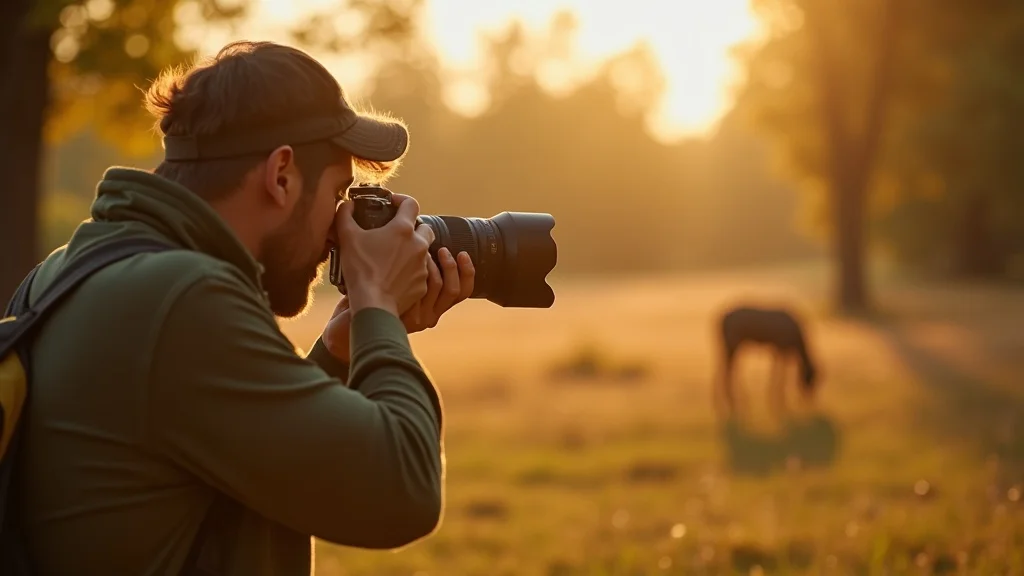
Telephoto lenses are an essential addition to any camera lens guide for beginners interested in shooting sports, wildlife, or distant landscapes. These lenses start around 70mm and can extend to 200mm, 300mm, or even longer. With their higher focal lengths, telephoto lenses allow you to magnify distant subjects, compress spatial perspective, and isolate your subject from the background. This makes them perfect for wildlife photography, where getting physically close isn’t safe or possible, and for capturing action at sporting events.
Though often larger and sometimes higher in price point, telephoto lenses give beginners a chance to experiment with new types of composition and learn how lens choice can create dynamic, story-driven images. However, keep in mind that stabilizing these lenses—either with faster shutter speeds, optical stabilization, or a tripod—is crucial for achieving sharp images due to increased sensitivity to movement at long focal lengths. If you love photographing birds, animals, or athletes, a telephoto or super-telephoto lens is a wise investment as your skills progress.
Wide Angle Lenses for Beginners: Capturing More of the Scene
Wide angle lenses—typically between 10mm and 35mm on a full frame camera—are sought-after by beginners eager to capture dramatic landscape photography, cityscapes, or group photos. These lenses offer an expansive field of view, allowing you to fit more into the frame and create images that feel immersive and cinematic. For those inspired by travel, architecture, or sweeping vistas, a wide angle lens is a must-have in your camera kit.
The exaggerated perspectives provided by wide angle lenses can add drama and context to your photos, but beginners should be aware of the potential for distortion—lines may curve at the edges, especially if you’re very close to your subject. Learning to harness these effects creatively can set your images apart. Whether attached to a DSLR or mirrorless camera, wide angle lenses are an excellent tool for beginners who want to experiment with compositional storytelling and dynamic visual effects.
Macro Lens Essentials: Creative Close-Ups for Beginners
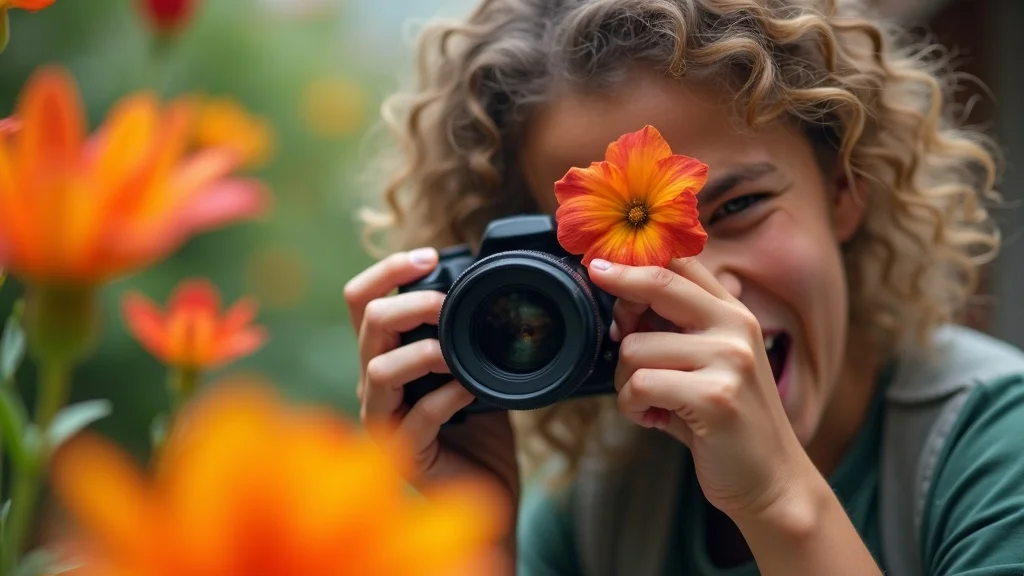
A macro lens opens up an entire miniature universe, allowing beginners to capture the smallest details—like dew drops, insects, or the intricate textures of a flower petal—in breathtaking clarity. Macro lenses are designed for close focusing at a 1:1 magnification ratio, producing life-size images of tiny subjects. For creative shooting, scientific documentation, or simply exploring your curiosity, macro lenses are a favorite among hobbyists and professionals alike.
When considering your first macro lens, look for features such as fixed focal lengths (commonly 60mm, 90mm, or 100mm) and superior image sharpness across the frame. A macro lens can transform everyday objects into striking works of art and is ideal for shooting at home or in the garden. By learning to control depth of field and lighting at these close distances, you sharpen your technical skills and expand your visual imagination as a beginner photographer.
Prime Lenses for Sharp Images: Your First Upgrade
Prime lenses are widely celebrated for delivering exceptional sharp images thanks to their optical simplicity and large maximum aperture. If you started with a kit lens, moving up to a 35mm or 50mm prime may be your most impactful first upgrade. Not only do these lenses offer impressive image quality and beautiful background bokeh, but they are also lightweight and relatively affordable. The fixed nature of a prime lens helps train your compositional instincts and challenges you to “zoom with your feet.”
Popular choices like the 50mm f/1.8 are perfect for portrait photography, still lifes, and low-light scenarios. Because of the wider aperture, you can shoot at faster shutter speeds, reduce motion blur, and create images with a shallow depth of field. Beginners will notice an immediate difference in sharpness and clarity compared to zooms, making prime lenses a top recommendation in every camera lens guide for beginners.

The Role of Kit Lens in Every Camera Lens Guide for Beginners
Every entry-level DSLR or mirrorless camera usually arrives with a kit lens, such as an 18-55mm zoom. This lens offers a great introduction to basic photography, covering wide to short telephoto ranges, and is typically lightweight and easy to use. The reason kit lenses are popular is that they provide enough focal length flexibility for everyday subjects—portraits, landscapes, snapshots—at a modest price point.
While advanced photographers may quickly move on to specialized camera lenses, the kit lens is perfectly suitable for beginners who want to get a feel for how different focal lengths affect composition and style. It’s also a solid backup in challenging shooting scenarios or when you want to travel light. By understanding the strengths and limitations of your kit lens, you develop keen insights into what features to prioritize in your next upgrade—be it maximum aperture, zoom range, or optical stabilization.
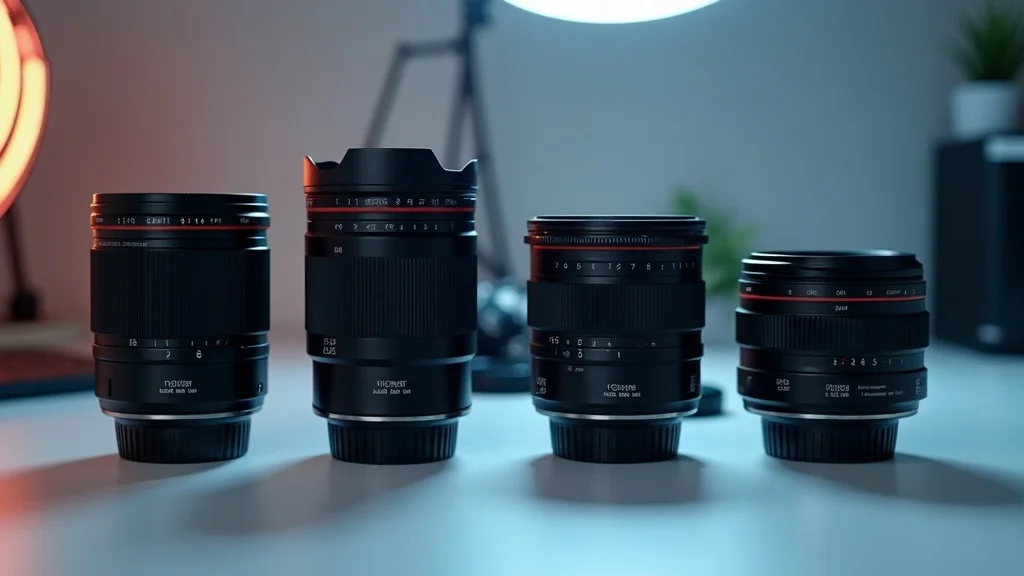
Comparing Photo Lens Specifications: What Matters Most?
| Lens Type | Focal Length | Maximum Aperture | Best Uses |
|---|---|---|---|
| Kit Lens (Zoom) | 18-55mm | f/3.5–5.6 | General, landscape, travel, everyday |
| Prime Lens | 35mm, 50mm | f/1.4–f/1.8 | Portraits, low light, street, sharp images |
| Telephoto Lens | 70-200mm, 70-300mm | f/4–f/5.6 | Sports, wildlife, distant action |
| Macro Lens | 60mm, 100mm | f/2.8 | Close-ups, flowers, small objects |
| Wide Angle Lens | 10-24mm, 16-35mm | f/2.8–f/4 | Landscape, architecture, interiors |
How to Choose the Right Camera Lens for Beginners
- Start with your preferred subject (landscape, portrait, sports, macro)
- Weigh focal length and maximum aperture
- Review compatibility with your camera system
- Consider future-proofing vs. budget
Selecting your first or next camera lens as a beginner is about balancing creative ambition, practicality, and budget. First, identify the type of photo you most want to take: landscapes, portraits, sports, or close-ups? Then, check which focal lengths and maximum aperture suit those genres best. Ensuring that your chosen lens is compatible with your camera mount—be it mirrorless camera or DSLR—is crucial to avoid frustration and wasted expense. Beginners are also advised to think about potential future needs: will you upgrade to a full frame camera later on, or stick with crop sensor bodies for now?
Finally, set a reasonable price point. Many excellent beginner-friendly options exist from both camera manufacturers and reputable third-party brands. Reading reviews, renting lenses before purchase, and seeking advice from advanced users are all smart steps to make your first lens investment a rewarding one.
Common Mistakes Beginners Make With Camera Lenses
- Ignoring focal length needs
- Purchasing unnecessary specialty lenses
- Overlooking compatibility
- Failing to clean and care for lenses
It’s easy for beginners to fall into the trap of buying lenses just because they’re trendy or on sale—without first considering their real focal length needs or the types of photography they most enjoy. Another common mistake is ignoring compatibility between lens and camera body, particularly with mirrorless cameras or older DSLR systems with different mounts. Even the most expensive lens will perform poorly if not cleaned and maintained properly; dust, fingerprints, and scratches can all degrade image quality.
Take time to research, test, and care for your photo lens. A well-chosen lens, even a budget-friendly one, will serve your creative journey for years if looked after, while impulse purchases often wind up gathering dust.
Expert Tips for Capturing Sharp Images with Any Photo Lens
“Even the best camera lens needs careful handling to achieve maximum image sharpness.” – Industry Expert
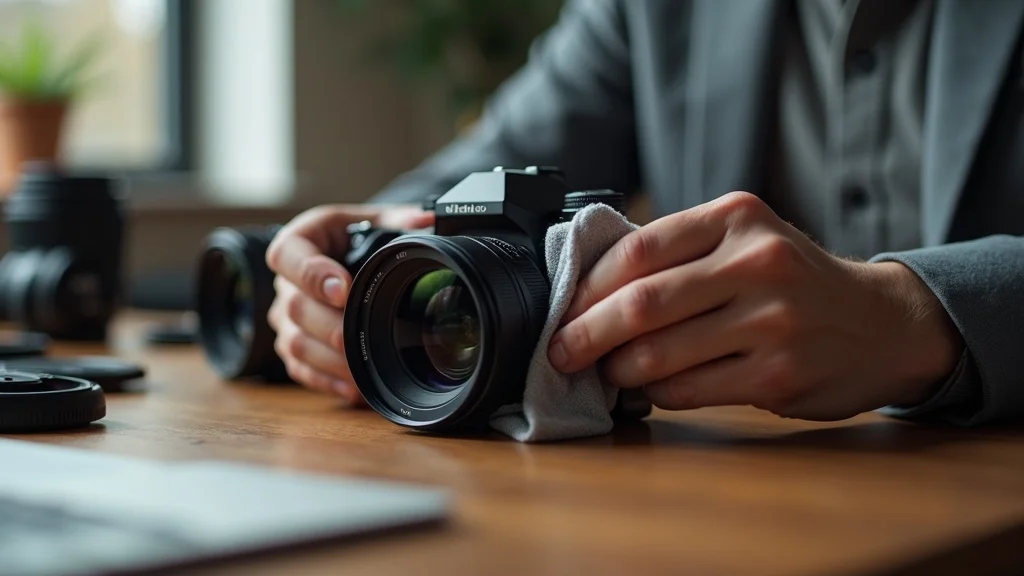
No matter the camera lens or its specifications, sharp images result from both good technique and proper lens care. Always use two hands to stabilize your camera when shooting handheld. Opt for higher shutter speeds when using long focal lengths or a telephoto lens, and leverage a tripod or optical image stabilization whenever possible. Be consistent with cleaning: use only microfibre cloths and designated cleaning solutions to avoid scratching coated glass surfaces.
Focusing precisely—especially with a prime lens set to a wide maximum aperture—is crucial, as even slight misfocus becomes obvious at shallow depths of field. Finally, always store your camera lenses in a dry, dust-free environment with lens caps on to maintain optimal image quality and longevity. Practice and good habits yield sharp images, turning everyday shots into standout keepsakes.
People Also Ask: Camera Lens Advice for Beginners
What’s a good camera lens for beginners?
Most beginners do well starting with a versatile 18-55mm kit lens, which allows you to explore wide-angle to short telephoto focal lengths. For greater creative control and sharpness, a 50mm prime lens is also highly recommended due to its affordable price and suitability for portraits, everyday scenes, and low-light photography.
Is a 35mm or 50mm lens better?
Both 35mm and 50mm prime lenses deliver excellent results for beginners, but each serves a slightly different purpose. The 35mm offers a wider field of view, ideal for environmental portraits and street photography, while the 50mm provides more background blur and a natural perspective for classic portraits. Your choice depends on your preferred style and typical subjects.
How do I know what camera lens to use?
Start by identifying the subject or scene you want to photograph—landscapes favor wide angle lenses, portraits excel with 50mm or 85mm primes, and sports wildlife call for telephoto lenses. Also consider your desired field of view and how much available light you have, as maximum aperture will affect low-light performance.
Which is better, 2.8mm or 4mm?
When talking about lens specifications, f/2.8 and f/4 refer to maximum aperture, not focal length. A wider maximum aperture (f/2.8) allows more light into the camera, offering better low-light performance and a shallower depth of field for blurred backgrounds, making it generally preferable for most creative uses.
Beginner FAQs: Camera Lens Guide for Beginners
- How can I maintain my camera lens for top performance?
Always use a lens cap, clean with a microfiber cloth and lens cleaner, and store your lenses in a dry, dust-free environment. Avoid touching the lens glass, and examine your lens regularly for dust or smudges to ensure consistent image quality. - Are third-party camera lenses good for beginners?
Yes, many third-party lenses from brands like Sigma and Tamron offer excellent value, comparable performance, and innovative features at a lower price point. Always verify compatibility with your specific camera system before purchasing. - Is it worth investing in professional zoom lenses early?
For most beginners, entry-level kit or affordable prime lenses are sufficient for learning. Professional zoom lenses can be heavy and expensive; consider them once you have clear goals and experience with your basic equipment.
Key Takeaways from the Camera Lens Guide for Beginners
- Understanding focal length is crucial
- Match lens type to your goals
- Start with versatile, beginner-friendly camera lenses
- Prioritize lens care for sharp images
Moving Forward With Confidence: Your Next Steps in Learning About Camera Lenses
Continue exploring your camera’s creative potential—experiment with focal lengths, lens types, and techniques as you build your skills and confidence as a photographer.
If you’re eager to keep expanding your photography knowledge, there’s a world of advanced tips, gear reviews, and creative inspiration waiting for you. The journey doesn’t end with mastering the basics—exploring expert insights and real-world examples can help you refine your style and discover new possibilities. For a broader perspective on elevating your craft and staying up to date with the latest in lens technology, visit LENSDUDE – Focus on the Extraordinary. Let your curiosity lead you to the next level of photographic excellence.
Sources
To further enhance your understanding of camera lenses, consider exploring the following resources:
-
“A Beginner’s Guide to Camera Lenses: Types, Uses, and When to Choose Them”: This guide provides an overview of different lens types—prime, zoom, wide-angle, telephoto, and macro—and offers insights into their specific applications, helping you make informed decisions based on your photography interests. (tatvaaa.com)
-
“14 Types of Camera Lenses (Important Basics for Beginners!)”: This article delves into various lens categories, including ultra-wide, wide-angle, and telephoto lenses, explaining their characteristics and ideal use cases, which can assist you in selecting the right lens for your creative endeavors. (camerareviews.com)
If you’re serious about mastering photography, these resources will provide you with the foundational knowledge needed to choose and utilize lenses effectively.