Imagine this: The average smartphone lens offers a focal length nearly identical to the human eye. Yet, this seemingly small detail has a profound influence on every photograph you take—dictating composition, perspective, and the emotional impact of every image. Whether you’re snapping landscapes on your phone or composing a portrait with a high-end camera lens, understanding what is focal length will completely change the way you see and capture the world.
A Surprising Look at What Is Focal Length and Why It Matters
“Did you know that the average smartphone lens offers a focal length nearly identical to the human eye? This seemingly simple specification impacts everything about your photos.”
When you ask, what is focal length and why should I care, you’re stepping into the heart of creative photography. Focal length isn’t just a number printed on your camera lens; it’s the main factor that decides what fits into your frame, how close or distant your subject appears, and the very mood your image conveys. Change focal length, and you change everything—from field of view to background blur and emotional resonance. Whether you’re using a prime lens for portraits or a zoom lens for distant subjects, understanding focal length is essential for controlling your composition and achieving your vision. In this guide, you’ll discover the science behind focal length, how it interacts with your camera’s sensor size (crop factor), and actionable advice for choosing the right lens for your needs. Let’s unlock how this single number crafts your images—and your story.
What You’ll Learn About Focal Length
- What focal length means in photography
- How focal length affects field of view, composition, and image feel
- Difference between prime lens, zoom lens, and telephoto lens
- Real-world examples of how focal lengths change your photography
- Common questions about focal length answered clearly
What Is Focal Length? The Definitive Definition
Understanding the Science of Focal Length
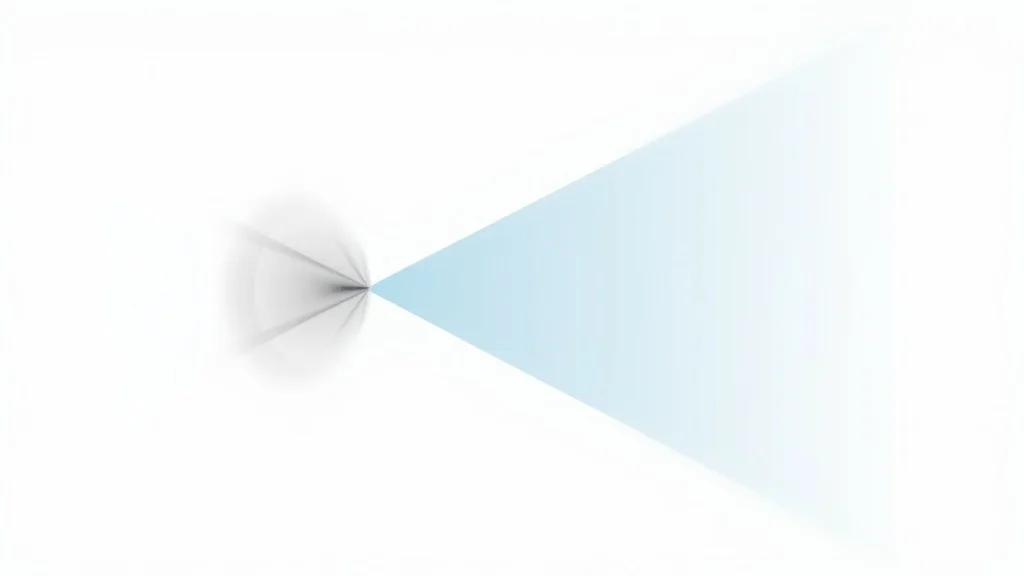
Focal length, measured in millimeters (mm), is the distance between the lens’s optical center and the camera’s sensor when focusing at infinity. It determines the lens’s angle of view—how much of the scene is captured—and how large subjects appear in your frame. For example, a 50mm prime lens offers a natural field of view similar to the human eye, while shorter focal lengths (wide angle lenses) capture more of the scene and longer focal lengths (telephoto lenses) magnify distant subjects. The science of focal length comes down to lens design and the way light rays converge to form a sharp image on the camera’s sensor. This principle drives everything from optical engineering to your everyday photography choices.
A lens with a short focal length (wide angle) spreads light rays over a broad field of view, perfect for landscapes and architecture. Conversely, a long focal length (telephoto lens) gathers rays to a tighter, more magnified field—ideal for wildlife or sports. Understanding the focal plane—the flat surface where the sensor sits—helps clarify how focal length affects depth and focus. Every design decision in a camera lens, from the curve of its glass to the arrangement of elements, revolves around focal length and its impact on your final image.
If you’re interested in how lens selection can further influence your creative process, exploring the nuances between prime and zoom lenses can help you make more informed choices for different shooting scenarios. For a deeper dive into lens types and their practical applications, check out the comprehensive guides available at LENSDUDE.
The Relationship Between Focal Length and Camera Lens Design
When lens designers craft a new camera lens, focal length is their guiding star. A lens’s complexity—the number of glass elements, their shapes, and positioning—all arise from the goal of achieving a specific focal length and desired field of view. Prime lenses are optimized for a single, fixed focal length, delivering sharp images and wide apertures. Zoom lenses, on the other hand, must balance variable focal lengths, allowing you to reframe your shot without changing your position or switching lenses. The physical length of the lens typically grows with its focal length, especially for telephoto and super-telephoto models. But beyond technical aspects, it’s this number—the focal length—that directly informs what you see through your viewfinder and how creatively you can express your story.
Every photographer faces the choice: capture context with a wide angle lens or go close with a long telephoto lens? That decision comes down to focal length. The unique “look” you get—compressed backgrounds with telephotos, immersive perspectives with wide angle lenses—relies directly on the relationship between focal length and optical design. Understand this link, and you begin to master both the technical and creative potential of your camera lens collection.
Focal Length Explained: Scientific Principles and Simple Terms
| Focal Length | Definition | Common Use Case | Effect on Image |
|---|---|---|---|
| 16mm-35mm (Wide Angle) | Short focal length lenses capturing a broad field of view. | Landscapes, architecture, environments. | Expansive view, dramatic perspective, more subjects in frame. |
| 35mm-70mm (Standard/Prime) | Similar view to the human eye, balanced perspective. | Street, portraits, general photography. | Natural look, accurate proportions, moderate background blur. |
| 70mm-200mm (Telephoto/Zoom) | Longer focal length narrowing the field of view. | Portraits, sports, wildlife. | Magnifies distant subjects, shallow depth of field, background compression. |
| 200mm+ (Super Telephoto) | Extreme magnification of distant subjects. | Wildlife, sports, astrophotography. | Very tight field of view, intense background separation. |
“Focal length shapes not just what you see, but how you feel about an image.” — Renowned Lens Designer
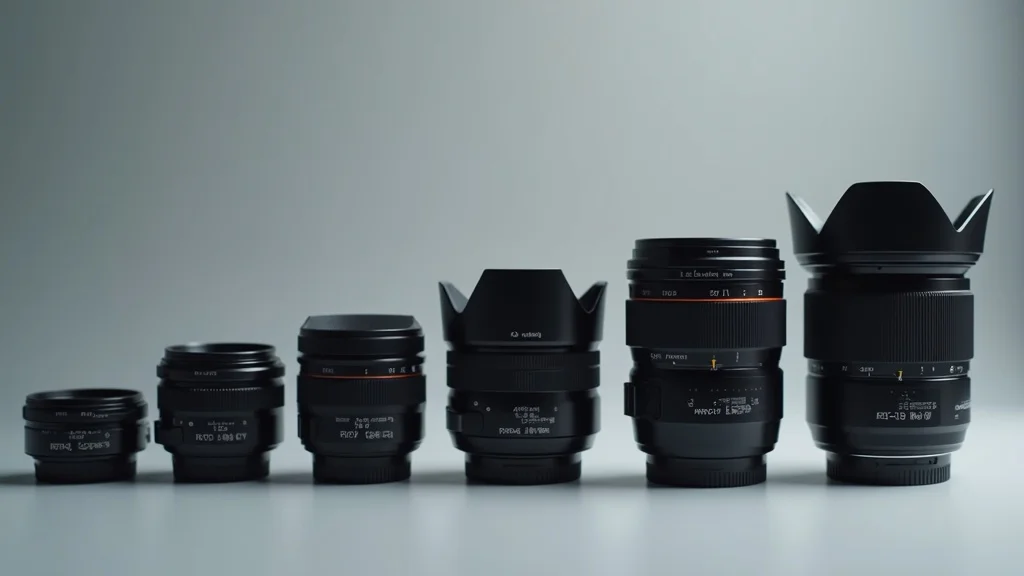
How Does Focal Length Affect Field of View and Composition?
Field of View: The Window Through Your Camera Lens
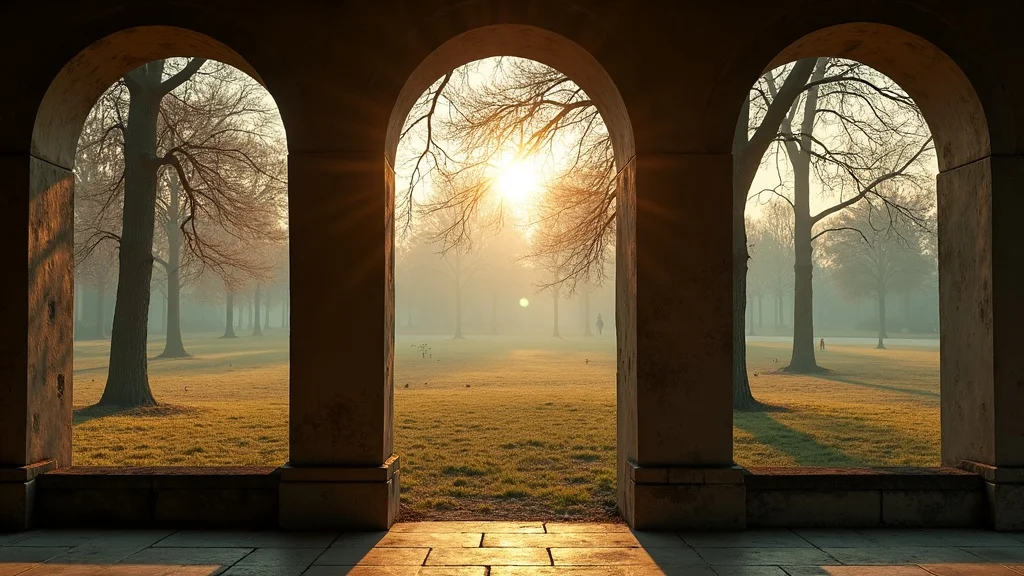
Your lens’s field of view is its window to the world. Focal length directly determines how wide or narrow that window is. A short focal length (wide angle lens like 16mm) shows a broader scene, letting you include sweeping vistas and more context. As you increase focal length (to 85mm, 200mm, and beyond with a telephoto lens), your window narrows—ideal for zeroing in on distant subjects, isolating details, or compressing backgrounds for a more intimate, dramatic look. This is why event photographers often choose a zoom lens for flexibility and why landscape artists may prefer an ultra-wide.
Focal length doesn’t just decide what’s visible; it also controls the story told within the frame. Using a short focal length exaggerates spatial relationships, making distant objects appear even further away. A long focal length flattens perspective, making scenes feel more compressed and subjects distinct from their environment. If you want both context and impact, knowing how focal length affects composition is the photographic superpower you need.
Depth of Field and Focal Length: Creating Visual Impact
Depth of field—the range of sharp focus within your photo—is heavily influenced by focal length. Longer focal lengths produce a shallower depth of field, meaning your subject stays crisp while the background melts away into pleasing blur (bokeh). That’s why portrait photographers love a long focal length lens like 85mm or 135mm: it lets the subject stand out powerfully against a soft, dreamy backdrop. Conversely, shorter focal lengths keep more of the scene in focus, making them perfect for storytelling or documentary work where every detail matters.
The interplay between focal length, aperture, and distance to your subject lets you adapt the mood and style of every shot. Want isolation and intimacy? Reach for a telephoto lens. Seeking context and storytelling? Try a wide angle lens. Adjusting focal length is the fastest way to experiment with depth, atmosphere, and the emotional weight each image carries.
Watch: Animated demonstration of how changing focal length affects field of view and image look.
Types of Lenses by Focal Length: Prime vs Zoom vs Telephoto
Prime Lens and Prime Lenses: Fixed Focal Length Simplicity
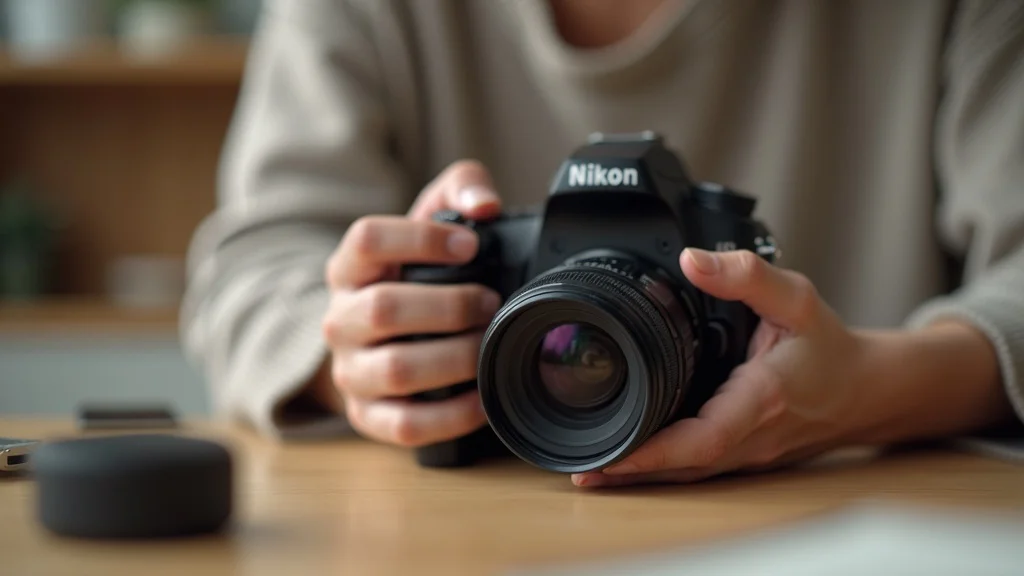
A prime lens has a fixed focal length—like 35mm, 50mm, or 85mm. It doesn’t zoom, but often produces stunningly sharp images, large apertures (think low f/numbers for great low-light ability), and a natural feel. Prime lenses force you to move your feet to frame your image, making you more intentional in your composition. Many photographers fall in love with the discipline and image quality that a fixed focal length offers, making these lenses a staple for portrait, street, and reportage work.
Why do so many pros rave about primes? A simple lens design means fewer elements inside the barrel. Less glass equals more light reaching the sensor—and less room for distortion or chromatic aberration. The result is crisp, vibrant, honest images with excellent depth of field control. Whether you’re capturing people or streetscapes, prime lenses give you creative focus, both literally and figuratively.
Zoom Lens and Zoom Lenses: Versatility with Variable Focal Length
In contrast, a zoom lens gives you a variable focal length—often ranging from wide (like 24mm) to moderate telephoto (up to 70mm or beyond). This flexibility means one lens can handle diverse shooting situations, from tight interiors to distant events without changing gear. Zoom lenses are the workhorse of wildlife, sports, wedding, and travel photography.
The trade-off for versatility? Most zoom lenses have a narrower maximum aperture compared to primes, and optical performance may be slightly less sharp at the extremes of their range. Still, modern designs deliver impressive results, and their ability to compose on the fly makes them indispensable, especially when you need to react instantly to your subject.
Telephoto Lens and Telephoto Lenses: Capturing Distant Subjects
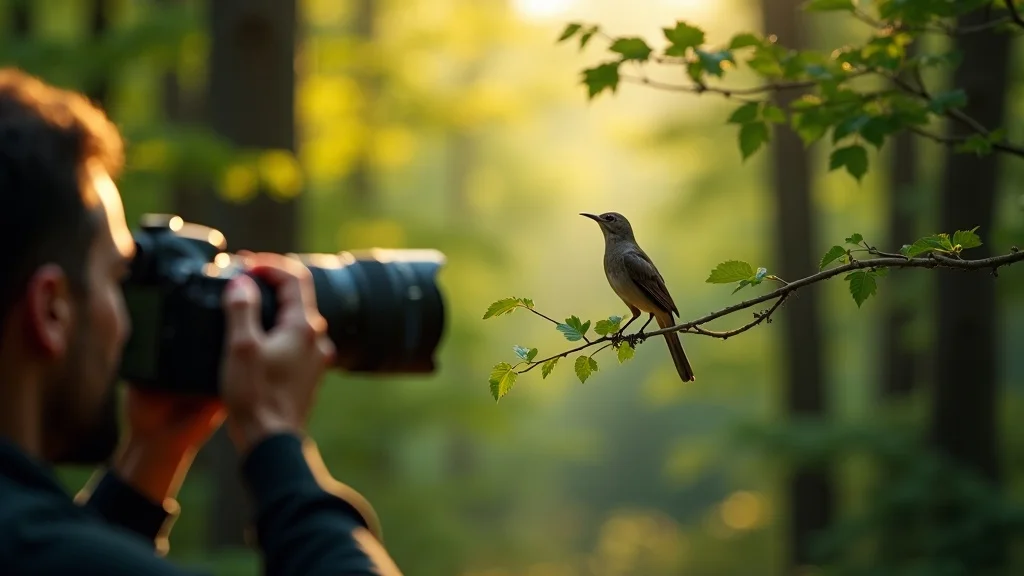
A telephoto lens (typically 70mm and above) magnifies distant subjects, bringing them close and creating stunning subject-background separation. These lenses are prized in sports, wildlife, and portrait photography for their ability to capture action and emotion from afar. Telephoto lenses compress the scene, flattening perspective and yielding that iconic “background blur” professionals love for portraits.
Super-telephotos (200mm, 300mm, 400mm+) are tools of the trade for birders, press photographers, and anyone needing reach without sacrificing clarity. The physical size and weight rise quickly with focal length, but their storytelling power justifies every ounce. If you need to isolate a subject far away, nothing beats the punch of a true telephoto lens.
Wide Angle Lens: Expanding the Scene
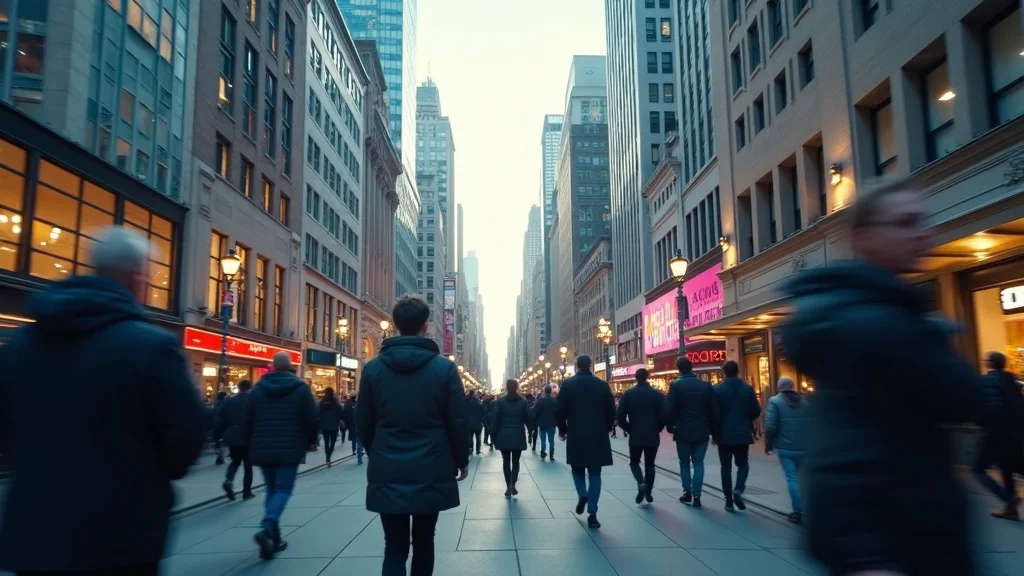
A wide angle lens (super short focal lengths, often 10-24mm) sees the world expansively. Use it for interiors, group shots, architecture, or whenever you want to fit more into the frame. Wide angles exaggerate perspective, making close objects pop and distant ones recede, adding drama and energy to your photos.
While wide angle lenses can distort edges and lines, they’re unmatched for storytelling. If you’re photographing dynamic city streets or sweeping natural vistas, a wide angle is your tool of choice for capturing everything—and everyone—in the moment.
Focal Length and the Human Eye: Comparing Perspective
Does the Human Eye Have a ‘Focal Length’?
Many people wonder how their camera lens relates to the human eye. In technical terms, the eye has an approximate focal length of 22mm, but when factoring in our binocular field of view and the way our brains interpret images, the visual experience is closer to a 43mm-50mm lens. That’s why standard prime lenses (50mm) produce such a familiar, natural perspective.
Of course, our eyes don’t “zoom,” but they constantly shift focus and adapt like an advanced, living camera system. Unlike a camera, which displays everything in focus at one distance, the human eye perceives sharpness wherever we direct our gaze, blending context and detail in a way only living organisms can. So while there’s a rough equivalence, no lens matches the adaptability of your own eyesight.
How Lenses Mimic or Differ from the Human Eye
Camera lenses attempt to replicate or stylize what the human eye sees. Standard focal lengths provide images that feel lifelike and balanced. Wide angle lenses expand the world beyond what our eyes can see in one glance, creating immersive or even surreal effects. Telephoto lenses, on the other hand, bring distant subjects up close—something human eyes simply can’t do without moving.
The magic of photography lies in your ability to choose a lens that matches or alters reality. By varying focal length, you’re not just capturing what’s visible, but also how it feels to be there on the scene. This makes focal length a creative decision as important as your subject or lighting.
| Aspect | Camera Lens | Human Eye |
|---|---|---|
| Typical Focal Length | 35mm–50mm (Standard primes) | ~22mm (physical), ~43–50mm (perceptual) |
| Field of View (Horizontal) | 50–60° (50mm lens) | ~135° (with both eyes) |
| Depth of Field | Controlled by aperture and focal length | Dynamic, focused where gaze is directed |
| Perspective | Decided by focal length and distance | Constantly shifts with movement/gaze |
Crop Factor and Effective Focal Length: Digital Camera Considerations
What Is Crop Factor?
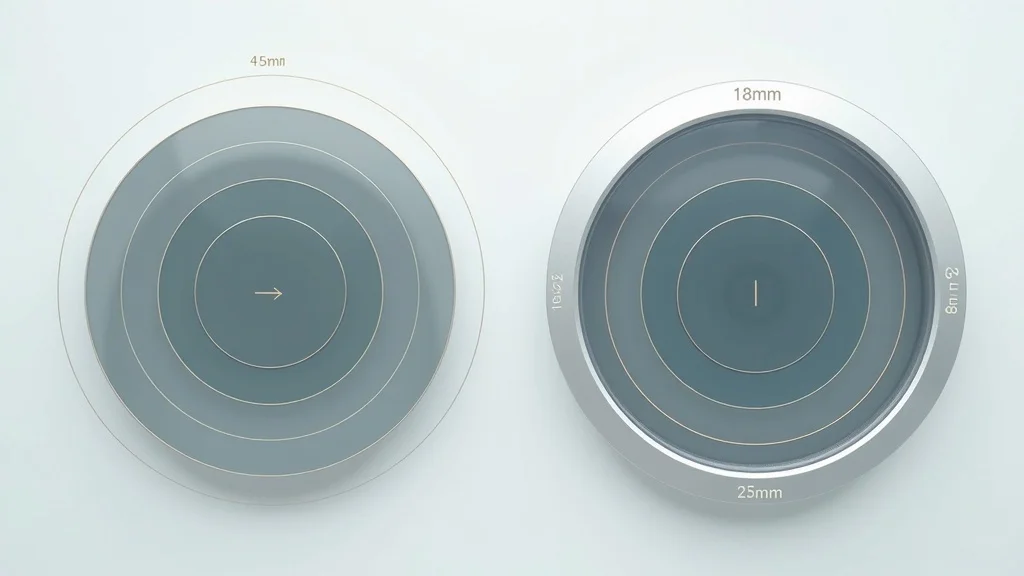
Most digital cameras have sensors that are smaller than the classic 35mm film frame. This size difference is called the crop factor. For example, an APS-C sensor with a 1.5x crop factor makes any camera lens appear “longer,” narrowing the field of view compared to a full-frame sensor. A 50mm lens on APS-C crops to feel more like a 75mm lens, changing how you compose and what focal length you’ll want for your subject.
The crop factor matters because it directly affects the effective focal length of your lens. Understanding this simple multiplication lets you predict what frame you’ll get and which lenses make the most sense for your camera body and creative goals.
Calculating Effective Focal Length on APS-C and Full Frame Cameras
To find the effective focal length for your setup, multiply your lens’s stated focal length by your camera’s crop factor. For example, on an APS-C body (1.5x crop), a 35mm lens behaves like a 52.5mm lens would on full-frame, and a 100mm lens offers a field of view equivalent to 150mm. This is crucial when choosing lenses for portraits, wildlife, or landscapes, as it affects everything from field of view to depth of field and background blur.
Not all crop sensors are the same—Canon APS-C cameras have a 1.6x crop, Micro Four Thirds crops by 2x. Always check your camera’s specifications, and remember, the effective focal length shapes the real-world results of every photo.
Practical Impact of Crop Factor on Focal Length Choice
The knowledge of crop factor empowers you to select the optimal camera lens for each photographic scenario. If you want authentic wide angle views on APS-C, choose even shorter focal lengths. If your goal is reach—say, in sports or wildlife—crop sensors give an advantage by effectively multiplying the reach of your long focal length lens. However, achieving true shallow depth of field may be easier on full-frame due to a larger sensor’s ability to blur backgrounds more profoundly for the same angle of view.
Understanding crop factor ensures that every lens you buy, rent, or use suits your shooting style and delivers images exactly as you envision.
Watch: Explainer video about crop factor and its effect on effective focal length in real-world shooting.
Long Focal Length vs Short Focal Length: When and Why to Use Them
Long Focal Length: Portraits, Wildlife, and Sports
Long focal length lenses (85mm, 200mm, 400mm+) excel at isolating subjects, compressing backgrounds, and reaching across distances where you can’t physically approach your subject. This makes them the preferred choice for shooting wildlife, sports, and classic portraiture. With their ability to focus tightly on a distant subject and melt the background into creamy bokeh, long lenses create images with cinematic depth and intimacy. Yet, they’re often heavier, more expensive, and require steady hands or tripods to avoid blur.
Longer focal lengths also limit your field of view, forcing you to commit to what matters most in the frame. The creative discipline and impact are worth it, but be prepared for the practical challenges.
Short Focal Length: Landscapes, Architecture, and Street Photography
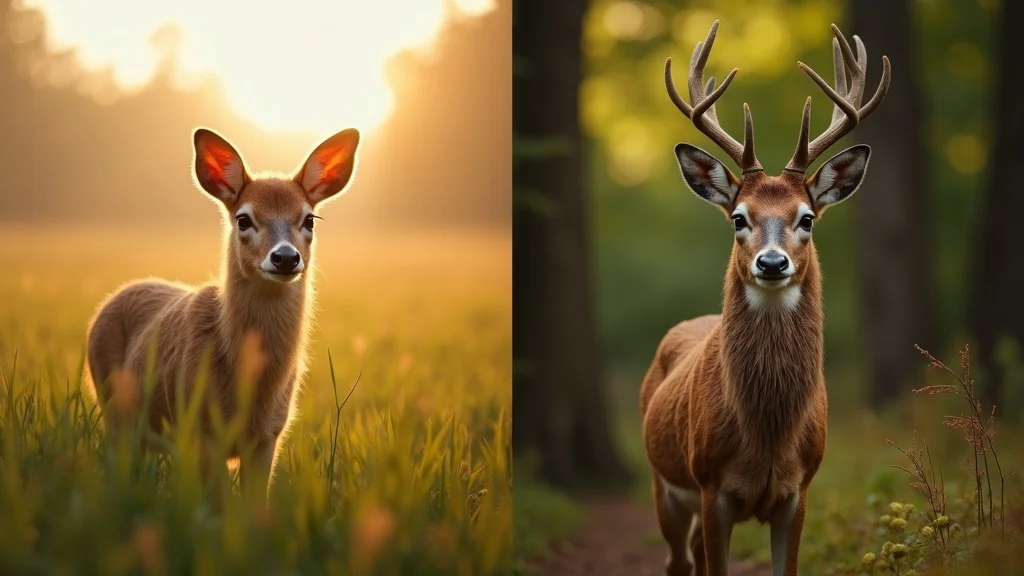
Short focal length lenses (10mm to 35mm) immerse viewers in your scene, stretching the field of view and exaggerating perspective. They’re perfect for landscapes, interiors, architecture, and street photography. The ability to keep foreground and background in focus is invaluable for narrative-driven images where context is as crucial as the central subject.
However, these lenses can distort faces or barrel lines if used for close-ups, so careful positioning is key. Wide lenses encourage dynamic compositions, creative storytelling, and a sense of place impossible to achieve with longer lenses.
- Benefits of long focal lengths: Subject isolation, background compression, reach distant subjects
- Challenges of long focal lengths: Heavy, expensive, requires stabilization, limited in tight spaces
- Benefits of short focal lengths: Immersive storytelling, expansive scenes, great for tight spaces
- Challenges of short focal lengths: Can distort perspective, not suitable for tight subject isolation
Selecting the Right Camera Lens Focal Length for Your Needs
Choosing Between Prime, Zoom, and Telephoto
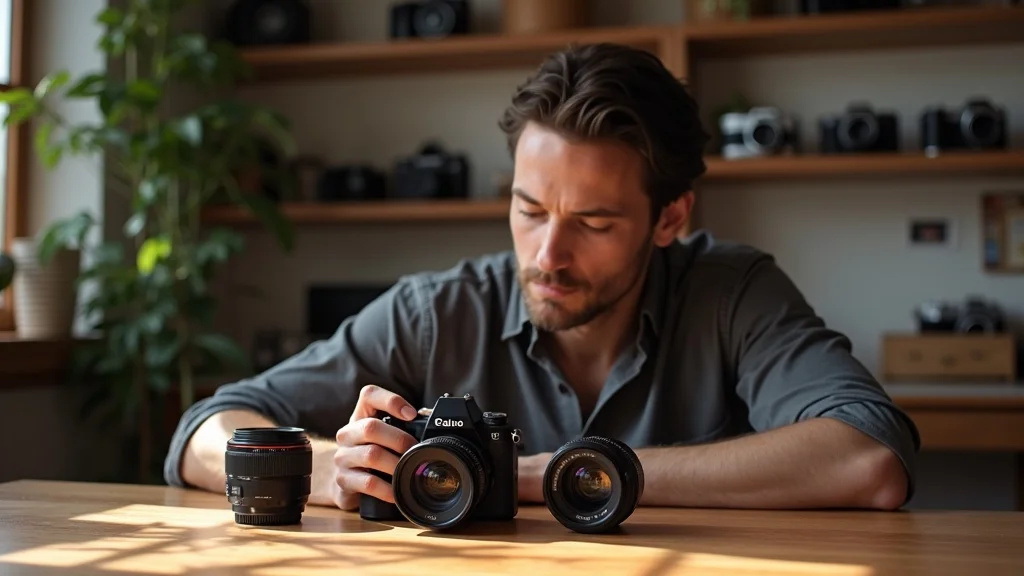
Choosing the perfect camera lens and focal length is less about technical specs and more about your creative vision. Do you want the restrictions—and what some call the discipline and sharpness—of a prime lens? Or do you need the flexibility of a zoom lens for fast-paced events or varying distances? When shooting distant subjects, nothing replaces the power of a true telephoto lens.
Consider your primary subjects, environments, and style. Experimenting with different focal lengths trains your eye to spot compositions and narratives you might otherwise miss. The best lens is the one that helps tell your story most effectively, whether fixed, variable, wide, or long.
Understanding Angle Lens and Its Application
The term “angle lens” refers to how much of the scene your lens captures—the angle of view, which is determined by its focal length. Wide angle lenses capture more, standard lenses mimic the human eye, and telephoto lenses narrow the scene. Understanding angle of view helps you pick the right focal length for the shot you want, from epic landscapes to intimate portraits.
“There is no perfect focal length—only the right one for your vision and story.” – Award-Winning Photographer
People Also Ask (PAA): Common Questions About Focal Length
What is focal length in simple terms?
Answer: Focal length is the distance (measured in millimeters) between a lens and the camera’s sensor, determining how much of a scene is captured and how large subjects appear.
What is focal length according to class 10th?
Answer: In class 10th physics, focal length is defined as the distance from the optical center of a lens to the focal point, where parallel rays converge or appear to diverge.
Where is the focal length?
Answer: Focal length is not physically marked inside lenses, but is calculated as the distance from the lens’s optical center to the image sensor when focused at infinity.
What is the focal length of a mirror?
Answer: The focal length of a mirror (specifically, a concave or convex mirror) is the distance from the mirror’s surface to its focal point, typically half the radius of curvature.
Key Takeaways: Focal Length’s Role in Creative Photography
- Focal length directly alters composition, depth, and the mood of your images
- Choosing between prime, zoom, telephoto, and wide angle depends on your subject and vision
- Understanding crop factor and effective focal length is essential for digital cameras
- Focal length selection is at the heart of creative storytelling with a camera
Frequently Asked Questions: What Is Focal Length
- Can one lens cover all my focal length needs?
While some zoom lenses offer extensive ranges, no single lens can match the performance of specialized lenses across all focal lengths, especially regarding image quality, depth of field, and low-light performance. - How does sensor size impact focal length selection?
Sensor size, through the crop factor, changes the real-world field of view of a lens, affecting which lenses are best suited for certain photographic styles and subjects. - Is a long focal length always better for portraits?
Long focal lengths (85mm-135mm) are popular for classic portraits due to flattering subject compression, but creative portraits are often shot at many focal lengths, including wide angle for environmental context. - What are the downsides of extreme focal lengths?
Extreme wide angles can distort perspective, while extreme telephotos can be bulky, expensive, and prone to camera shake and limited depth of field. - Can the human eye change its focal length?
The human eye can adjust focus (accommodation) but does not zoom like a camera lens; it cannot alter its actual focal length.
Explore, Experiment, and Elevate: Apply Your Knowledge of Focal Length Today
Ready to see your world through new eyes and lenses? Experiment with different focal lengths, pay attention to changes in field of view, and let your creative instincts lead you. Your camera is a tool—let focal length become your artistic advantage.
Conclusion: Mastering focal length lets you control every aspect of your image’s story, mood, and impact—start experimenting and see your photography transform.
If you’re eager to continue expanding your photographic expertise, there’s a world of advanced techniques and creative inspiration waiting for you. Dive deeper into the art and science of lens selection, composition, and visual storytelling by exploring the expert resources at LENSDUDE. Whether you’re refining your skills or seeking new perspectives, you’ll find actionable insights and fresh ideas to elevate every shot. Let your curiosity guide you to the next level of creative mastery—your journey into extraordinary photography starts with the right knowledge and a willingness to experiment.
Sources
- https://photographylife.com/lenses/focal-length
- https://digital-photography-school.com/focal-length-explained/
- https://www.bhphotovideo.com/explora/photography/buying-guide/lens-buying-guide
Understanding focal length is crucial for photographers aiming to control composition, perspective, and the emotional impact of their images. The article “What Is Focal Length? How It Changes Composition, Distance & Feel” delves into this topic comprehensively. For a foundational understanding, the Wikipedia article “Focal length” provides an in-depth explanation of how focal length measures the convergence or divergence of light in an optical system, influencing magnification and angle of view. (en.wikipedia.org) Additionally, Sony’s support article “Focal Length” offers practical insights into how different focal lengths affect the range of a scene captured, with visual examples demonstrating the impact on image composition. (sony.com) If you’re serious about mastering focal length and its effects on your photography, these resources will provide valuable knowledge and practical guidance.