Have you ever asked yourself why some photos make distant mountains look as if they’re stacked right behind your subject, while others pull you into a sweeping panorama that feels larger than life? Your answer lies in the lens: telephoto vs wide angle lens. The lens you select doesn’t just shape your photo – it shapes the entire story you’re telling. In this guide, you’ll unlock the knowledge to choose the right lens for every scene and tell your visual stories with greater power.
Telephoto vs Wide Angle Lens: The Crucial Choice for Every Photographer
Choosing between a telephoto vs wide angle lens is one of the most important decisions a photographer makes—one that can completely transform any image’s mood, composition, and impact. Telephoto lenses help you get closer to distant subjects, flatten perspectives, and create stunning subject isolation with creamy background blur. Wide angle lenses, on the other hand, immerse viewers in vast scenes, convey grandeur, and add a sense of scale that can’t be matched. Whether you shoot wildlife, landscapes, sports, or portraits, knowing when to reach for a telephoto or wide angle is crucial. This article delivers clear distinctions, real-world scenarios, and expert tips that will help you choose the perfect lens for any photography challenge.
With visual comparisons, imagery examples, and key takeaways rooted in focal length, field of view, and depth of field, this resource is your ultimate guide to confidently mastering telephoto vs wide angle lens choices. Dive into the details below and discover how your lens choice can elevate every shot you capture.
What You’ll Learn in This Guide
- Clear distinctions between telephoto lens and wide angle lens functions
- Key scenarios for choosing telephoto vs wide angle lens
- Impact of focal length, field of view, and depth of field
- Real-world imagery examples
- Expert insights on maximizing telephoto lenses and wide angle lenses
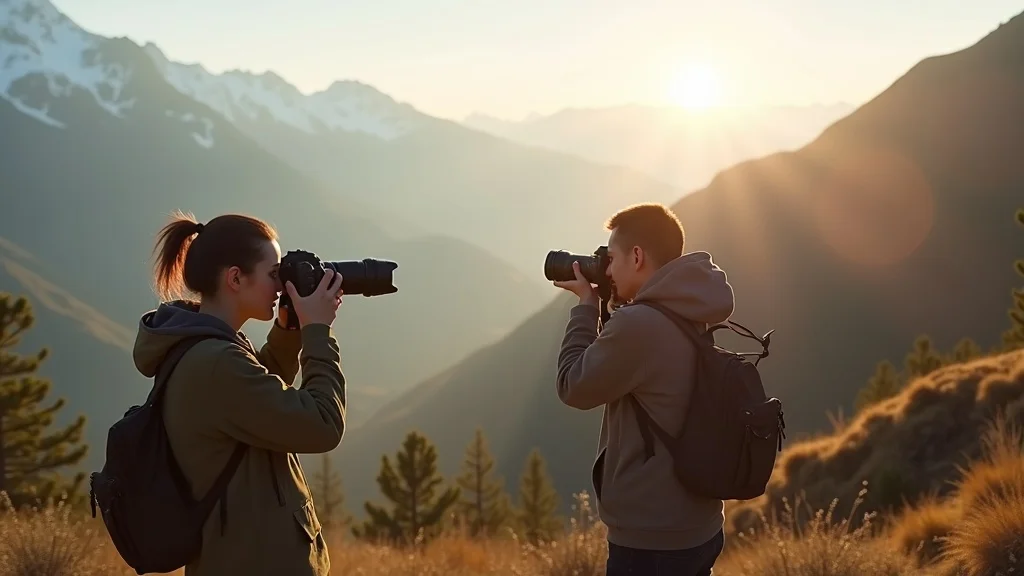
Introduction: Why Telephoto vs Wide Angle Lens Matters in Photography
A Captivating Inquiry
“Have you ever wondered why some photos dramatically compress distant mountains, while others sweep you into a vast, immersive landscape? The lens you choose—telephoto or wide angle—changes not just your image, but your story.”
In every photographer’s toolkit, the choice between telephoto vs wide angle lens is more than a matter of distance—it’s about vision, storytelling, and creative intent. Each lens type offers a set of strengths that can make or break your shot. While a telephoto lens lets you precisely frame distant wildlife or athletes, a wide angle lens engulfs the viewer in sprawling cityscapes or group photos with ease. Both are tools—each with a unique power to influence perception, scale, and emotion in a photograph. As we peel back the layers of these essential gear choices, you’ll gain clarity on their core differences and learn how to use them to best effect in any shooting scenario.
Understanding the Telephoto vs Wide Angle Lens Debate
Definition of Telephoto Lens and Wide Angle Lens
Telephoto lenses are designed with a longer focal length—typically starting at 70mm and extending to 600mm and beyond. Their primary feature is their ability to magnify distant subjects, offering a narrow angle of view. This makes them ideal for isolating subjects such as wildlife, sports players, or distant landscapes. In contrast, a wide angle lens sits at the other end of the spectrum, with a short focal length (usually between 10mm and 35mm) and a wide angle of view. Wide angle lenses can capture more of a scene in a single frame, making them perfect for landscapes, interiors, architecture, and any situation where you want to emphasize space and scale.
Simply put, telephoto lenses pull faraway subjects closer and compress the scene, while wide angle lenses push the boundaries outward, expanding your field of view. These characteristics are not only technical—they influence the artistic and emotional feel of your images as well.
How Angle Lenses Shape Perspective
Angle lenses, including both telephoto and wide angle options, control what you see and how you see it. With angle lenses, the field of view is broadened, inviting more of the world into your frame and giving scenes a sense of depth and inclusion. Wide lenses enhance the space between objects, making foreground subjects appear larger and exaggerating perspective. This is why wide angle shots often have an immersive, almost three-dimensional feel.
Telephoto lenses, in comparison, flatten the elements of an image and reduce the sense of depth—a feature known as perspective compression. As a result, distant subjects appear closer together, and the distinction between foreground and background is minimized. This can be a powerful artistic tool when you want to emphasize the density or closeness of your subject relative to its environment. Understanding these differences helps you match the right lens to your creative vision every time you shoot.
Telephoto Lense vs Wide Angle: Image Examples and Differences
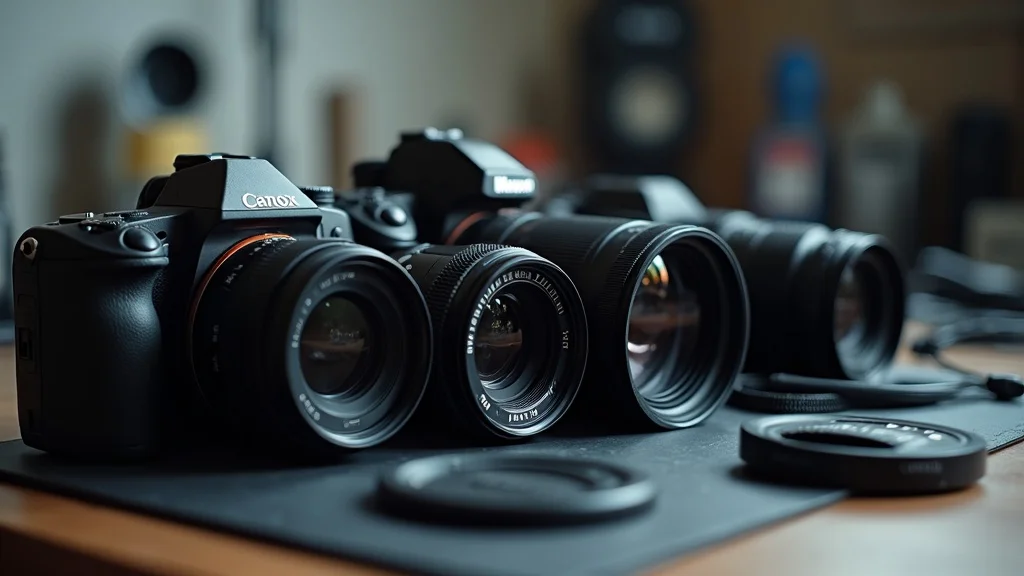
Comparing real-world photos shot with telephoto and wide angle lenses highlights their dramatic differences. A telephoto lense captures a faraway animal in the wild with stunning detail and a soft, blurred background, drawing all focus to the subject and compressing the landscape behind it. Meanwhile, a wide angle lens takes in a sprawling vista—think of an epic mountain range or a city skyline—highlighting foreground details and giving viewers a strong sense of place and scale.
Pay attention to the angle of view: telephoto brings far scenes near while reducing how much of the scene you can include in the frame. Wide angle exaggerates dimensions and takes in a much broader section of the landscape or interior. These contrasting effects provide clarity on when and why to select each lens type based on your photographic goals.
Focal Length Demystified: Telephoto vs Wide Angle Lens Essentials
What is Focal Length?
Focal length is the key specification that separates telephoto lenses from wide angle lenses. It refers to the distance (in millimeters) from the lens’s optical center to the camera’s sensor when the lens is focused at infinity. Shorter focal lengths (e.g., 14mm, 24mm) yield a wider field of view, while longer focal lengths (e.g., 85mm, 200mm, 600mm) narrow that field and magnify the subject, letting you see—and capture—distant details more clearly.
The longer the focal length, the narrower the field of view and the more pronounced the effect of perspective compression. Conversely, a shorter focal length broadens the field and enhances a scene’s sense of scale and spatial depth. This straightforward measure lets you predict—before you even pick up your camera—how much of a scene you can capture and how your subjects will be visually represented.
Telephoto Lens Focal Lengths vs Wide Angle Lens Focal Lengths
Choosing between telephoto and wide angle lenses comes down to understanding typical focal lengths and what they achieve. Wide angle lenses usually range from 10mm to 35mm. These are excellent for architectural photography, interiors, and expansive landscapes. Standard focal lengths (35mm to 70mm) are everyday workhorses, great for street and candid portraiture. Telephoto lenses start at 70mm and extend up to 600mm or more—the tool of choice for wildlife, sports, and tightly cropped portrait shots. Each focal length affects your field of view, subject separation, and perspective, so matching the lens to the scenario ensures you achieve the desired effect without compromise.
| Lens Type | Typical Focal Length (mm) | Field of View | Best Uses |
|---|---|---|---|
| Wide Angle | 10–35 | Wide | Landscapes, Architecture |
| Standard | 35–70 | Normal | Street, Portrait |
| Telephoto | 70–600+ | Narrow | Wildlife, Sports, Portrait |
Depth of Field and Field of View: Telephoto vs Wide Angle Lens
How Field of View Changes with Angle and Telephoto Lenses
The field of view refers to how much of the scene the lens can capture, both horizontally and vertically. Wide angle lenses offer a broader field of view, making them ideal for fitting large vistas or groups into one frame. This is especially useful in tight spaces where stepping back is not an option. Angle lenses exaggerate spatial relationships, so foreground elements appear much larger and more pronounced in relation to the background.
Telephoto lenses, on the other hand, provide a narrow field of view that zooms in on distant subjects. This lens type isolates the subject from its background and foreground, simplifying complex scenes and highlighting specific details. The result: strong subject separation, a shallower depth of field, and pronounced background blur (bokeh). Photographers should leverage these characteristics to control how much of the environment their viewers see and how the spatial relationship among elements is perceived.
Understanding Deeper Depth of Field with Wide Angle vs Telephoto
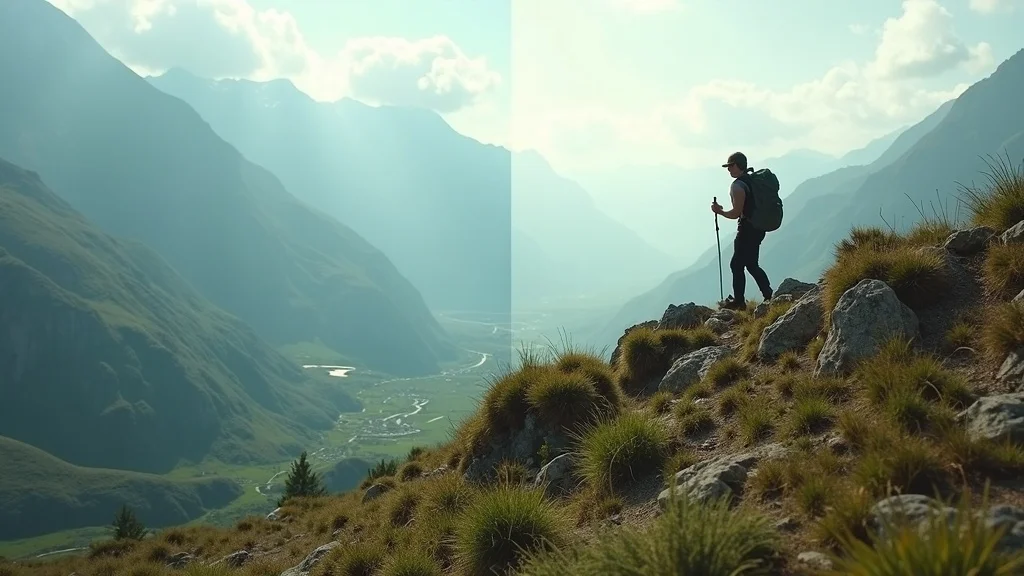
Depth of field refers to the zone of sharpness from foreground to background. Wide angle lenses naturally deliver a deeper depth of field, meaning objects throughout the frame—from close foreground details to distant mountains—can be rendered sharply in focus. This is why landscape photographers favor wide lenses for scenes that benefit from overall detail and depth.
Telephoto lenses create a shallow depth of field, making only a thin plane of your image sharp while smoothly blurring the rest. This effect is desirable in portrait and wildlife photography to separate the subject from busy backgrounds and direct the viewer’s focus. Understanding when you want sharp detail throughout the image versus when you want subject isolation is key in deciding between telephoto vs wide angle lens for your next project.
Situational Guide: When to Use Telephoto vs Wide Angle Lens
Telephoto Lens: Best Use Cases (Wildlife, Sports, Portrait)
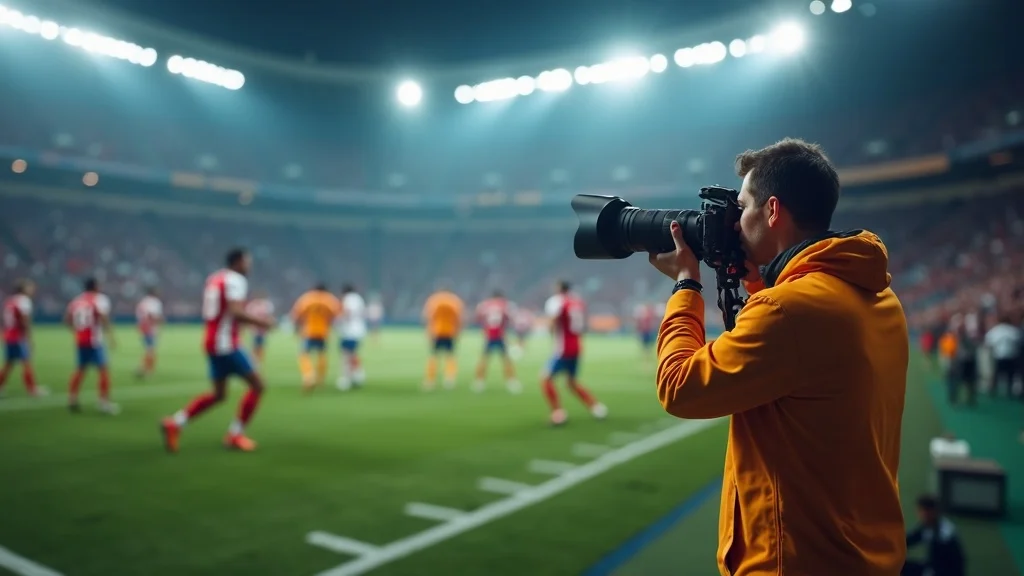
Telephoto lenses come into their own when the subject is too far away to approach—such as in wildlife or sports photography. The narrow field of view, longer focal length, and shallow depth of field mean you can frame fast-moving athletes, elusive animals, or candid portraits without disturbing the moment. For portraits, a telephoto lens (e.g., 85mm or 135mm) produces flattering perspectives, compresses facial features gently, and creates beautiful, soft backgrounds that make subjects truly stand out.
Additionally, telephoto lenses are indispensable when shooting events or concerts from a distance, or focusing on architectural details high up on buildings, where access and proximity are limited. They allow you to “reach” scenes you could never capture with a standard or wide angle lens, giving your photography a versatility that’s hard to overstate.
Wide Angle Lens: Best Use Cases (Landscape, Interiors, Group Photos)
Wide angle lenses are indispensable for capturing the full sweep of a landscape, the grandeur of architectural interiors, or the togetherness of groups at events and celebrations. In a cramped interior or bustling street, a wide angle lens helps you “fit it all in”—from soaring ceilings and tight corners to large gatherings of friends. These lenses also provide a unique, immersive view of the world, heightening the sense of being present in the environment.
For creative photography, the exaggerated perspectives and deep depth of field of wide angle lenses help produce dynamic images with strong foreground interest and dramatic lines leading the viewer’s eye through the frame. However, it’s crucial to remember that wide angle lenses can cause distortion, especially toward the edges of the frame—sometimes a creative asset, but often something to avoid in portraits or scenes requiring undistorted lines.
- Telephoto lenses—ideal for distant subjects, subject isolation
- Wide angle lenses—capture broad vistas, emphasize scale
Side-by-Side: Telephoto Lense and Angle Lens in Action
Visual Comparisons for Perspective, Compression, and Distortion
Seeing is believing—side-by-side examples clearly show how a telephoto and wide angle lens interpret the same scene in strikingly different ways. With a telephoto lens, a distant mountain is pulled right behind your subject, flattening the scene, while with a wide angle lens, the foreground leaps forward and the background drops away, exaggerating perceived distances. In portraits, telephoto lenses flatten facial features and remove most of the background, whereas a wide angle lens can distort faces near the edges and include much more of the environmental context.
This comparison is critical for making informed choices: When you want to emphasize intimacy, detail, or subject isolation, go telephoto. When you wish to tell a bigger story and include the surroundings, wide angle is the definitive option.

Telephoto Lenses: Advantages and Notable Disadvantages
Benefits of Telephoto Lenses
Telephoto lenses offer unmatched advantages when it comes to magnifying distant scenes, compressing perspective, and isolating subjects from their surroundings. Their narrow field of view enables photographers to fill the frame with details that would otherwise be lost. The ability to create a shallow depth of field, producing smooth, aesthetically pleasing background blur, is a favorite among portrait, wildlife, and sports photographers. Additionally, telephotos can bring otherwise inaccessible moments right to the viewer’s eye, adding immediacy and emotional impact to any shot.
Another benefit is the minimal risk of perspective distortion: with a telephoto lens, even faces at the edge of the frame retain their natural proportions, and straight lines stay straight. This makes them invaluable for certain types of architectural and documentary work, as well as formal, undistorted portraits.
Disadvantages of Telephoto Lens
Despite their strengths, telephoto lenses come with trade-offs. Their size and weight make them cumbersome for long shoots or travel, and they can be prohibitively expensive, especially at longer focal lengths or with wide apertures. The shallow depth of field they offer is wonderful for portraits, but can make keeping all elements in focus a challenge, especially in situations with multiple subjects at different distances.
Camera shake is also magnified at longer focal lengths, making tripods or high shutter speeds necessary to achieve sharp images. Additionally, telephoto compression, while creative, can sometimes remove the sense of place or scale that wide angle lenses easily capture. These drawbacks should factor into your decision whenever considering which lens to use.
- Reach distant scenes
- Compress perspective
- Heavy and expensive
- Shallow depth of field
Wide Angle Lens: Strengths and Limitations
Advantages of Using Wide Angle
Wide angle lenses excel at giving viewers an immersive experience. They broaden your compositional options and effortlessly capture expansive landscapes, dramatic skies, or crowds in cramped locations. Their inherently deep depth of field allows more of the scene to be sharply focused from foreground to background—ideal for landscapes or interior shots where context matters.
These lenses also emphasize a sense of scale, magnifying the size of close objects relative to distant ones. This can lend drama to foreground elements and naturally lead your audience’s eye to the main subject. Their compact size (especially at moderate focal lengths) makes them popular choices for travel and street photography.
When Not to Use a Wide Angle Lens
Despite their strengths, there are times when wide angle lenses are not ideal. Their tendency to cause distortion at the edges can make straight lines bow and faces appear unnatural—especially in group shots or environmental portraits. When photographing distant subjects, a wide lens can make them appear even farther away and smaller, minimizing their impact in the frame.
Additionally, wide angle lenses are not suitable when subject isolation or background blur is desired. The deep depth of field keeps foreground and background elements equally sharp, which isn’t always flattering. Always consider these limitations when choosing a wide angle lens for situations that demand emphasis on a specific subject.
- Capture expansive scenes
- Enhance sense of scale
- Distortion at edges
- Not ideal for isolating subjects

Angle and Telephoto Lenses: Key Differences Summarized
| Feature | Telephoto Lens | Wide Angle Lens |
|---|---|---|
| Focal Length | 70mm+ | 10–35mm |
| Depth of Field | Shallow | Deep |
| Best Use | Distant subjects | Broad vistas |
People Also Ask About Telephoto vs Wide Angle Lens
When to use wide-angle vs telephoto lens?
Answer
Use a wide-angle lens when you want to capture a large, sweeping scene, emphasize a sense of scale, or fit many elements or people into the frame—ideal for landscapes, architecture, and interiors. Opt for a telephoto lens when your subject is distant, when you want tight framing or subject isolation, or when you seek a pleasing background blur. Telephoto is best for wildlife, sports, and portraits where intimacy and detail are essential.
Which is better, telephoto or ultrawide?
Answer
Neither is categorically better—it depends on your creative intent and shooting environment. Ultrawide lenses (very short focal lengths, often below 16mm) are unmatched for sweeping scenes and interiors, maximizing immersion and space. Telephoto lenses excel for distant subjects, close-up sports, and portraits, compressing space for impactful composition. Choose based on the visual story you want to tell.
What are the disadvantages of a telephoto lens?
Answer
Telephoto lenses tend to be bulky, heavy, and more expensive than standard or wide-angle options. Their shallow depth of field can make accurate focus challenging, and the narrow field of view limits context and environmental inclusion in your shots. Additionally, camera shake is magnified, requiring higher shutter speeds or tripods for sharp images.
When should you not use a wide-angle lens?
Answer
You should avoid using a wide-angle lens when capturing portraits that require natural facial proportions, isolating distant subjects, or whenever edge distortion would negatively affect your composition. Wide-angle lenses can also make subjects appear smaller and farther from the camera, reducing their visual impact when isolation or prominence is required.
Frequently Asked Questions: Telephoto vs Wide Angle Lens
- Does focal length impact image quality?
- Yes. Focal length determines both field of view and magnification. Shorter focal lengths (wide angle) generally offer greater depth of field and context, while longer (telephoto) emphasize detail and subject isolation. The “image quality” depends on matching your chosen focal length to the intended visual outcome.
- How does distortion differ between angle and telephoto lenses?
- Wide angle lenses exaggerate perspective and can create stretching, especially at the edges. Telephoto lenses compress the scene, minimizing distortion but also reducing the perception of depth.
- Can one lens type replace the other?
- No. Each lens type offers distinct creative and technical results. Professionals often carry both to adapt to different subjects, settings, and artistic demands.
- Are zooms as good as primes for wide or telephoto work?
- Modern zoom lenses offer excellent performance and flexibility across focal lengths, but prime lenses (fixed focal length) often deliver superior sharpness and larger maximum apertures for low-light or shallow depth of field work.
Key Takeaways: Choosing Between Telephoto vs Wide Angle Lens
- Telephoto lenses excel at distant, isolated, and compressed scenes
- Wide angle lenses are best for immersive, broad visuals
- Match focal length and field of view to your creative intent
Next Steps: Try Our In-Depth Lens Comparison Tools
Ready to put your knowledge into practice? Use our interactive lens comparison tools to visualize field of view, focal length differences, and depth of field effects for any scenario. Compare your favorite lenses side by side and experiment with settings—before you step into the field, studio, or city streets.
Conclusion
Understanding telephoto vs wide angle lens ensures you make creative, powerful decisions each time you lift your camera. Choose wisely, match the lens to your vision, and your photography will always tell a compelling story.
Sources
- https://photographylife.com/lenses/telephoto-vs-wide-angle
- https://www.bhphotovideo.com/explora/photography/buying-guide/lens-buying-guide
- https://www.cambridgeincolour.com/tutorials/camera-lenses.htm
- https://www.dpreview.com/articles/9223416424/telephoto-lens-explained-and-why-you-want-one
To deepen your understanding of the differences between telephoto and wide-angle lenses, consider exploring the following resources:
-
“Wide-Angle vs. Telephoto: When to Use Which Lens”: This article provides a detailed comparison of the two lens types, including their best use cases and key differences. (thecandidshoot.com)
-
“Telephoto Lens: How It Works, What It’s For, and Why It Matters”: This piece explains the mechanics of telephoto lenses and their applications, offering insights into how they differ from wide-angle lenses. (us.eufy.com)
These resources will offer you a comprehensive understanding of when and how to use telephoto and wide-angle lenses to enhance your photography.